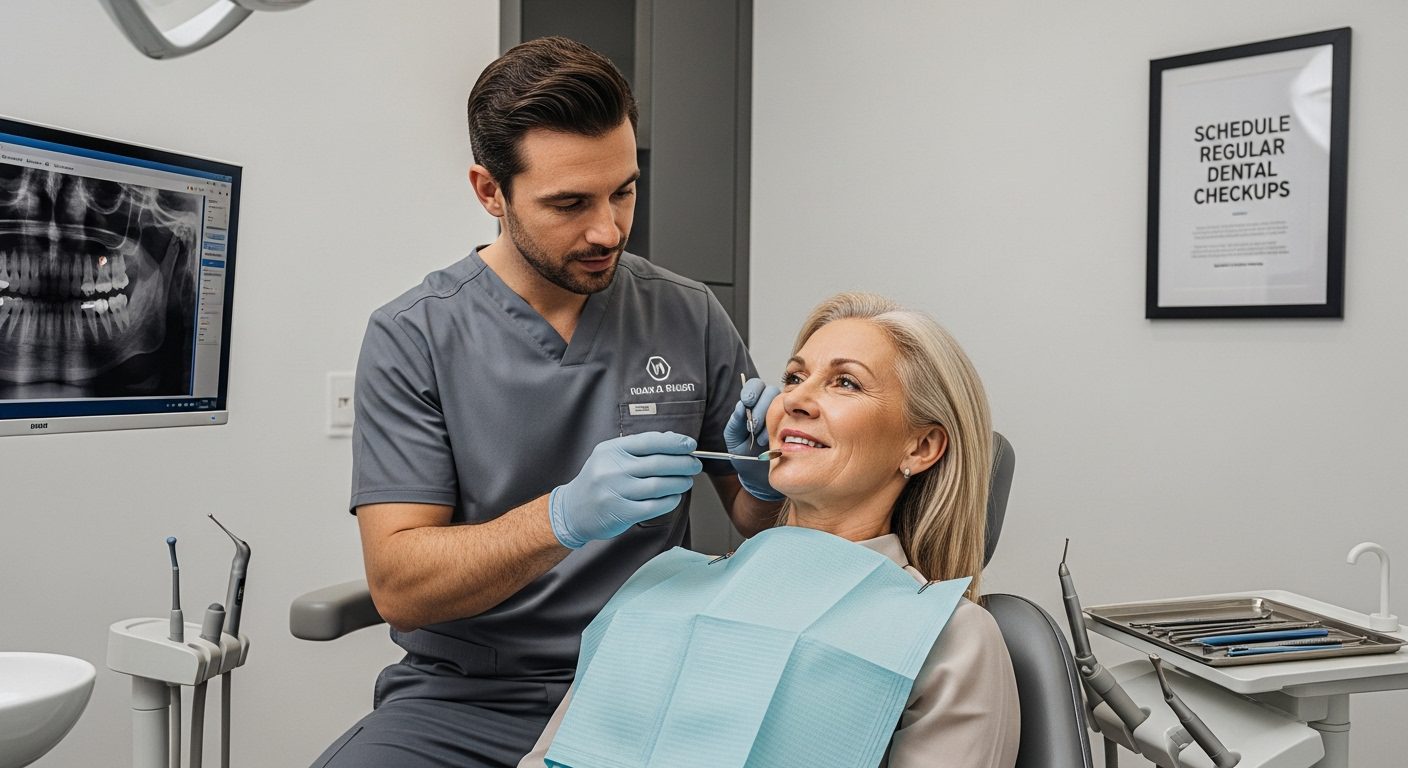
Understanding Why Dental Sedation Matters for Patients
September 8, 2025

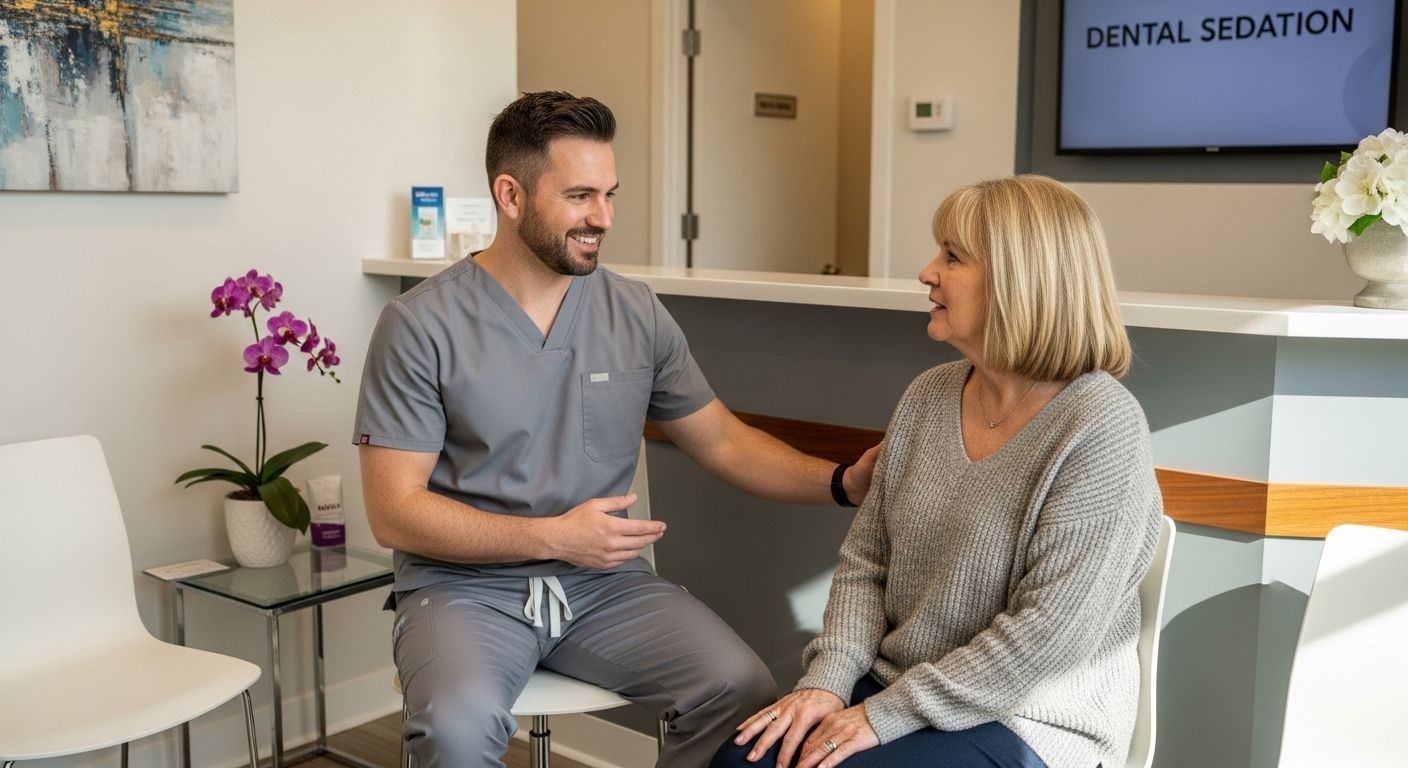
Dental visits can make even grown adults nervous and anxious. Studies show that sedation is recommended for patients with dental phobias or when treatments get complex. Most people think sedation just puts you to sleep and that’s all there is to it. Actually, dental sedation is much more than a quick fix for nerves. It is a carefully tailored medical process that can completely change how you experience the dentist’s chair.
Quick Summary
| Takeaway | Explanation |
|---|---|
| Dental sedation alleviates patient anxiety. | It provides a solution for individuals suffering from dental fears and helps them access necessary treatments comfortably. |
| Multiple sedation techniques cater to patient needs. | Methods like nitrous oxide and IV sedation can be selected based on patient comfort, medical history, and procedure complexity. |
| Safety is a top priority in dental sedation. | Comprehensive assessments are conducted to identify potential risks and ensure patient well-being throughout the process. |
| Sedation improves clinical outcomes for providers. | Enhanced patient cooperation and reduced anxiety lead to more efficient treatments and better procedural success. |
| Positive experiences increase future dental engagement. | Patients who undergo sedation often have improved perceptions of dental care, reducing future avoidance of essential treatments. |
What is Dental Sedation and Its Purpose?
Dental sedation represents a specialized medical approach designed to help patients manage anxiety, discomfort, and complex dental procedures. Research from the National Library of Medicine highlights that sedation is crucial for patient management, particularly for individuals experiencing dental phobias or requiring extensive treatments.
Understanding Dental Sedation Techniques
Dental sedation involves administering medication to help patients relax during dental procedures. The primary goal is to create a calm, comfortable environment that reduces psychological and physical stress. Patients can remain conscious but deeply relaxed, allowing dentists to perform necessary treatments more effectively.
Key aspects of dental sedation include:
- Reducing patient anxiety and fear
- Minimizing pain perception
- Enabling complex or lengthy procedures
- Helping patients with special healthcare needs
Who Benefits from Dental Sedation
Multiple patient groups find significant advantages in dental sedation. Individuals with the following characteristics often benefit most:
This table highlights the patient groups most likely to benefit from dental sedation, along with the specific reasons why sedation is advantageous for each group.
| Patient Group | Reason for Sedation Benefit |
|---|---|
| Extreme dental anxiety or phobia | Enables essential dental care without distress |
| Low pain tolerance | Minimizes discomfort during procedures |
| Difficulty sitting still | Increases cooperation and safety |
| Complex medical histories | Enables careful management and comfort |
| Need for extensive dental work | Supports tolerance for longer procedures |
| Special healthcare needs | Customizes approach for comfort and access |
- Extreme dental anxiety or phobias
- Low pain tolerance
- Difficulty sitting still during procedures
- Complex medical histories
- Need for extensive dental work
Learn more about the types of sedation dentistry we offer to find the most suitable approach for your unique dental needs. By understanding and utilizing dental sedation, patients can transform their dental experience from stressful to comfortable and manageable.
Why Dental Sedation Matters for Patients and Providers
Dental sedation transcends mere medical procedure. Research from national medical studies demonstrates its critical role in transforming patient experiences and clinical outcomes. By addressing psychological barriers and physical discomfort, sedation creates a comprehensive approach to dental care that benefits both patients and healthcare providers.
Patient Perspective and Psychological Impact
For many individuals, dental anxiety represents a significant barrier to receiving necessary medical treatment. Dental sedation offers a powerful solution by mitigating fear and creating a more comfortable treatment environment. Patients who might otherwise avoid critical dental procedures can now receive comprehensive care without overwhelming stress.
Key psychological benefits include:
- Reducing anticipatory anxiety before procedures
- Creating positive dental experience memories
- Increasing likelihood of future dental care engagement
- Minimizing long-term dental phobias
Clinical Advantages for Dental Providers
Providers gain substantial advantages through dental sedation techniques. By creating a calm patient environment, dentists can perform more precise and efficient treatments. Learn more about our advanced sedation techniques that enhance both patient comfort and procedural effectiveness.
Clinical advantages encompass:
- Improved patient cooperation during complex procedures
- Enhanced ability to complete comprehensive treatments
- Reduced patient movement during delicate interventions
- More efficient use of clinical time and resources
Ultimately, dental sedation represents a collaborative approach to healthcare that prioritizes patient well-being while supporting medical professionals in delivering exceptional care.
How Dental Sedation Works: Types and Methods
Research from clinical studies reveals dental sedation encompasses multiple sophisticated techniques designed to ensure patient comfort and facilitate complex dental procedures. Understanding these methods helps patients make informed decisions about their dental care experience.
Sedation Administration Techniques
Dental sedation methods vary based on patient needs, medical history, and procedure complexity. Practitioners carefully select sedation approaches to balance patient safety, comfort, and treatment effectiveness. The primary administration methods include:
- Nitrous oxide (laughing gas)
- Oral conscious sedation
- Intravenous (IV) sedation
- Local anesthetic with sedative medication
Each technique offers unique benefits and operates through different physiological mechanisms. Nitrous oxide, for instance, provides rapid relaxation and quick recovery, while oral sedatives create a more prolonged calming effect.
Below is a comparison of the main dental sedation techniques referenced in the article, summarizing their administration methods, key benefits, and typical use cases.
| Sedation Type | Administration Method | Key Benefits | Typical Use Cases |
|---|---|---|---|
| Nitrous Oxide (Laughing Gas) | Inhaled via mask | Rapid onset, quick recovery, adjustable dose | Mild to moderate anxiety, short visits |
| Oral Conscious Sedation | Oral medication (pill) | Prolonged calming effect, easy to administer | Moderate anxiety, longer procedures |
| Intravenous (IV) Sedation | Injection into bloodstream | Precise control, deeper relaxation | Complex or lengthy treatments |
| Local Anesthetic with Sedatives | Injection + oral/inhaled | Local pain control plus mild relaxation | Minor procedures with mild anxiety |
Sedation Levels and Patient Monitoring
Sedation occurs across multiple consciousness levels, ranging from minimal sedation to deep sedation. Learn more about our advanced anesthesia protocols that ensure patient safety during various dental procedures.
Key monitoring considerations include:
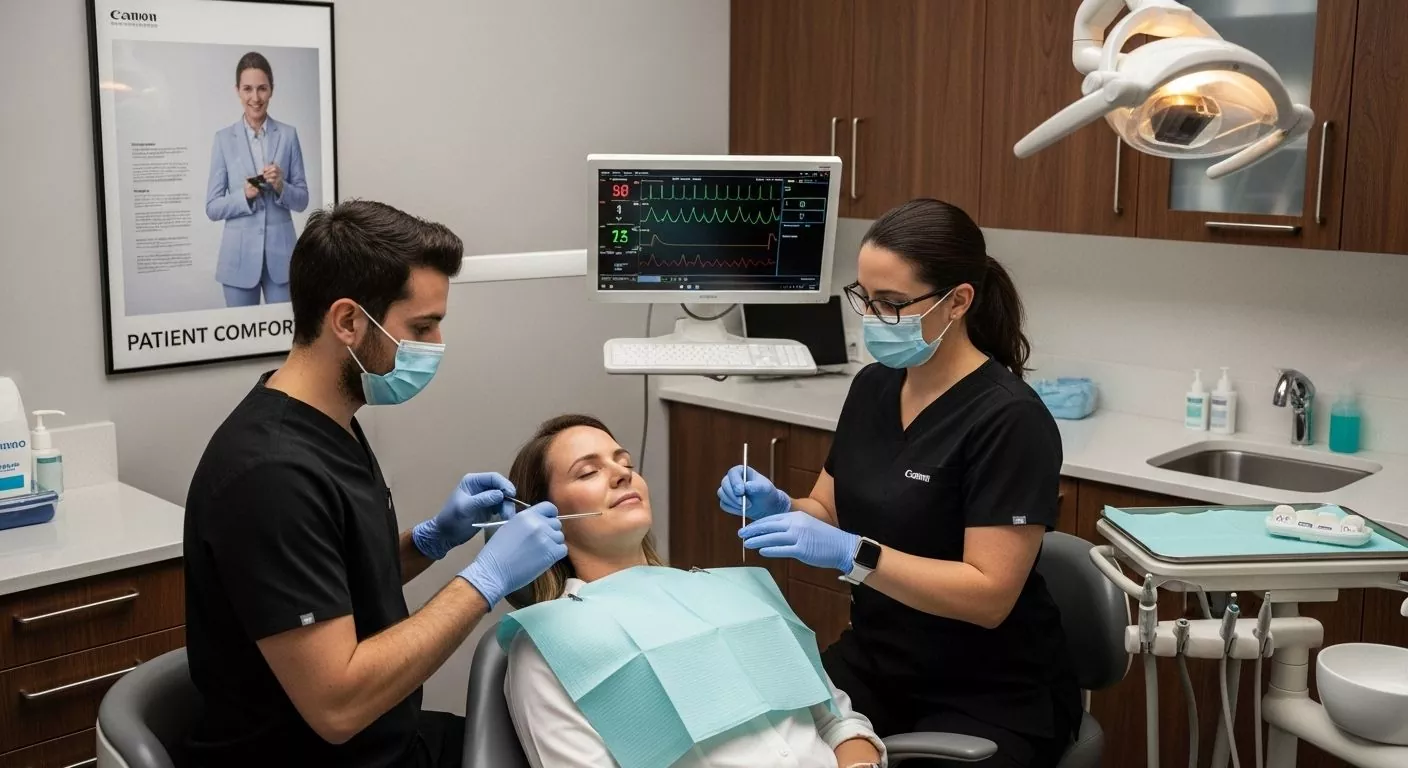
- Continuous vital sign tracking
- Oxygen saturation measurement
- Heart rate and blood pressure observation
- Immediate medical intervention readiness
Professional dental practitioners are trained to assess patient suitability, select appropriate sedation methods, and maintain rigorous safety standards throughout dental treatments.
The goal remains creating a comfortable, stress-free environment that supports optimal patient care and procedural success.
Key Concepts in Dental Sedation: Safety, Efficacy, and Applications
Research from the American Dental Association underscores the critical importance of understanding dental sedation as a comprehensive medical approach that balances patient comfort, clinical effectiveness, and rigorous safety standards.
Safety Protocols and Risk Management
Dental sedation requires meticulous preparation and continuous patient monitoring. Safety emerges as the paramount consideration in every sedation procedure. Dental professionals conduct comprehensive pre-sedation assessments that include:
- Detailed medical history review
- Assessment of potential medication interactions
- Evaluation of patient’s cardiovascular and respiratory health
- Determination of appropriate sedation level
These preliminary screenings help mitigate potential risks and ensure patient well-being throughout the dental procedure.
Clinical Efficacy and Patient Outcomes
The effectiveness of dental sedation extends beyond immediate procedural comfort.

Explore our comprehensive sedation approach designed to optimize patient experiences and clinical outcomes.
Key indicators of sedation efficacy include:
- Reduced patient anxiety
- Enhanced treatment tolerance
- Improved procedural precision
- Minimized physiological stress responses
- Greater likelihood of completing complex treatments
Modern dental sedation techniques represent a sophisticated intersection of pharmacology, patient psychology, and clinical expertise. By prioritizing individual patient needs and maintaining stringent safety protocols, dental professionals can transform potentially stressful medical experiences into manageable, comfortable interventions.
Let Sedation Dentistry Change Your Dental Experience
If dental anxiety or fear of discomfort has held you back from necessary treatment, you are not alone. Many patients experience these same concerns, making dental visits stressful or even impossible. As discussed in the article, dental sedation is proven to reduce anxiety, minimize pain and help patients with dental phobias or complex needs finally receive the personalized care they deserve. At Arvada Dental Center, our compassionate team specializes in sedation techniques that transform stressful appointments into manageable, comfortable experiences. Your comfort and safety are our top priorities.
Are you ready to reclaim your oral health and leave fear behind? Whether you need full arch restorations, want to learn about Types of Sedation Dentistry that fit your needs, or just want a more relaxed visit, we welcome you. Visit Arvada Dental Center to discover our commitment to patient-centered dentistry. Do not let anxiety delay your care any longer. Take control of your dental health today and experience the positive impact of sedation dentistry in Arvada and the Denver metro area.
Frequently Asked Questions
What is dental sedation?
Dental sedation is a medical technique used to help patients relax and manage anxiety during dental procedures by administering sedative medications.
Who benefits from dental sedation?
Dental sedation significantly helps individuals with extreme dental anxiety, low pain tolerance, special healthcare needs, and those undergoing complex or lengthy dental work.
What are the common types of dental sedation?
The common types of dental sedation include nitrous oxide (laughing gas), oral conscious sedation, intravenous (IV) sedation, and local anesthetic with sedative medication, each offering unique benefits.
How does dental sedation enhance the patient experience?
Dental sedation enhances the patient experience by reducing anxiety and fear, minimizing pain perception, and creating a positive and stress-free environment for necessary dental treatments.
Recommended
- Types of Sedation Dentistry
- What is IV Sedation in Dentistry
- Understanding the Role of Anesthesia in Dentistry
- 5 Great Tips to Control Your Dental Anxiety
More Posts
.jpg)
Understanding All on 4 Cost Factors for Dental Implants
.jpg)
7 Key Advantages of Dental Implants for Your Smile