
Home
Oral surgery
Impacted Canines

Impacted Canines

in Arvada, CO
An impacted canine is more than a cosmetic concern. Left untreated, it can damage neighboring teeth, disrupt your bite, and cause lasting oral health problems. We can help.

Expert Impacted Canine Treatment in Arvada

Protecting Your Smile From the Inside Out.
Impacted canines are one of the most common tooth impaction issues after wisdom teeth, yet many patients do not know they have one until a dentist spots it on an X-ray. At Arvada Dental Center, we diagnose and treat impacted canines with a coordinated approach that guides the tooth into its correct position whenever possible, preserving your natural smile and protecting neighboring teeth from damage.

What Are Impacted Canines?

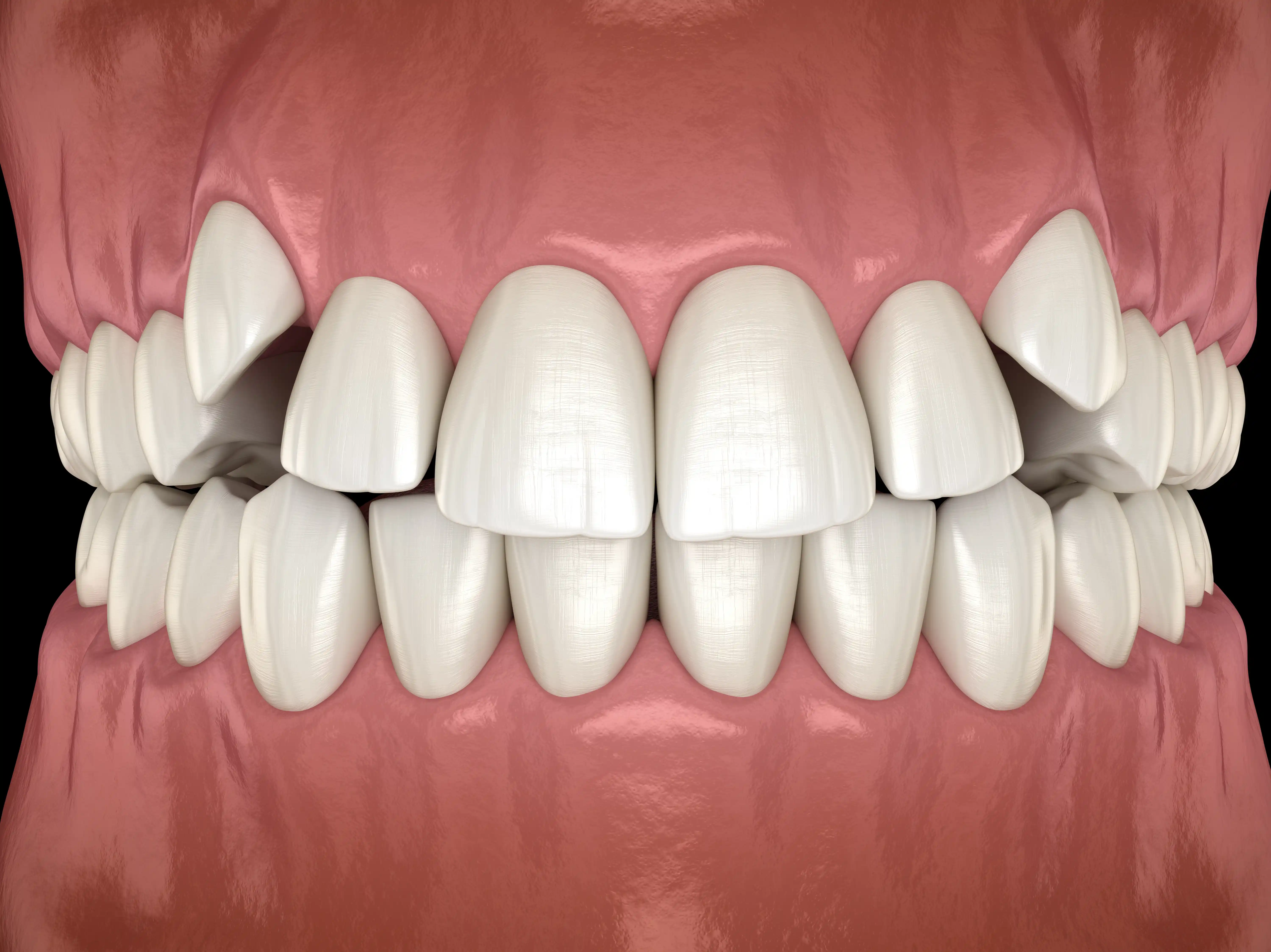
Canine teeth are the pointed teeth located toward the front of your mouth, one on each side of your upper and lower jaws. They are among the most important teeth in your mouth, responsible for guiding your bite and bearing the force of chewing. When a canine fails to erupt through the gumline properly, it is considered impacted.
Upper canines are the most commonly impacted teeth after wisdom teeth, affecting approximately 2 percent of the population. An impacted canine may be partially visible through the gum, fully hidden beneath the bone, or erupting at an angle that threatens the roots of adjacent teeth. Early detection through routine X-rays gives us the best chance of guiding the tooth into place without extraction.

Why Treat Impacted Canines?

Leaving an impacted canine untreated rarely ends well. Over time, the unerupted tooth can cause a range of serious problems for your oral health.
  • Damage to Adjacent Teeth: An impacted canine pressing against neighboring teeth can resorb their roots, causing permanent damage that may require those teeth to be extracted.

  • Cyst Formation: Unerupted teeth can develop a fluid-filled cyst around the crown, which damages surrounding bone and tissue as it grows.

  • Bite Problems: Canines play a central role in guiding your bite. A missing or mispositioned canine can throw off your entire bite alignment, leading to jaw strain and uneven tooth wear.

  • Shifting Teeth: Without the canine in its proper position, neighboring teeth tend to drift over time, creating spacing and alignment problems that are more complex to correct later.

  • Aesthetic Concerns: A gap in your smile or a visible bulge in the gum where a canine is trying to erupt affects your appearance and can impact your confidence.

  • Pain and Pressure: Impacted canines can cause discomfort, pressure, or recurring pain in the jaw and surrounding teeth, particularly during chewing.

The good news is that impacted canines, especially when caught early, are highly treatable. Our team works closely with orthodontic specialists to bring the tooth into its natural position whenever possible.

Am I a Candidate for Impacted Canine Treatment?

You may be a candidate for treatment if an X-ray has revealed an unerupted or partially erupted canine tooth, if you have a visible gap where a canine should be, or if you are experiencing unexplained pressure or pain near the upper front teeth. Children and teenagers are often the best candidates for guided eruption since the bone is still developing and the tooth is more easily moved.
Adults with impacted canines are also treated, though the process may take longer depending on bone density and how far the tooth has to travel. Patients who have significant root damage to adjacent teeth or a canine that is severely angled may require extraction rather than guided eruption. A thorough exam with X-rays and 3D imaging gives us everything we need to recommend the right course of treatment for your specific situation.

What to Expect: The Impacted Canine Treatment Process

1

Consultation and X-Rays

We begin with a thorough exam and X-rays to locate the impacted canine and assess its position relative to neighboring teeth and bone. In more complex cases, a 3D CBCT scan gives us a precise picture of the tooth's exact location and angle.
2

Orthodontic Preparation


In most cases, braces or aligners are placed before any surgical procedure. This creates space in the arch so that once the canine is exposed, it has room to move into its correct position.
3

Surgical Exposure

A minor surgical procedure is performed to uncover the impacted tooth. If the tooth is covered by gum tissue, the tissue is gently lifted to expose the crown. If it is hidden beneath bone, a small amount of bone may be removed to access it.
4

Bracket Placement

Once the tooth is exposed, a small orthodontic bracket is bonded directly to it. A chain or spring connects the bracket to the orthodontic wire, applying gentle, steady pressure to guide the tooth downward into its proper position over the following months.
5

Guided Eruption and Monitoring

Regular orthodontic appointments monitor progress as the canine moves into the arch. The process typically takes several months to over a year depending on how far the tooth needs to travel and the patient's response to treatment.

Recovery After Impacted Canine Exposure

The surgical exposure procedure is minor and most patients experience only mild discomfort, swelling, and sensitivity for a few days afterward. Prescribed or over-the-counter pain medication manages post-operative discomfort effectively for most patients.

We recommend soft foods for the first few days and keeping the area clean with gentle rinsing. Most patients return to normal activity within two to three days. Your orthodontist will attach the guiding chain shortly after exposure, at which point the tooth-moving process begins.

Flexible Financing for Impacted Canine Treatment
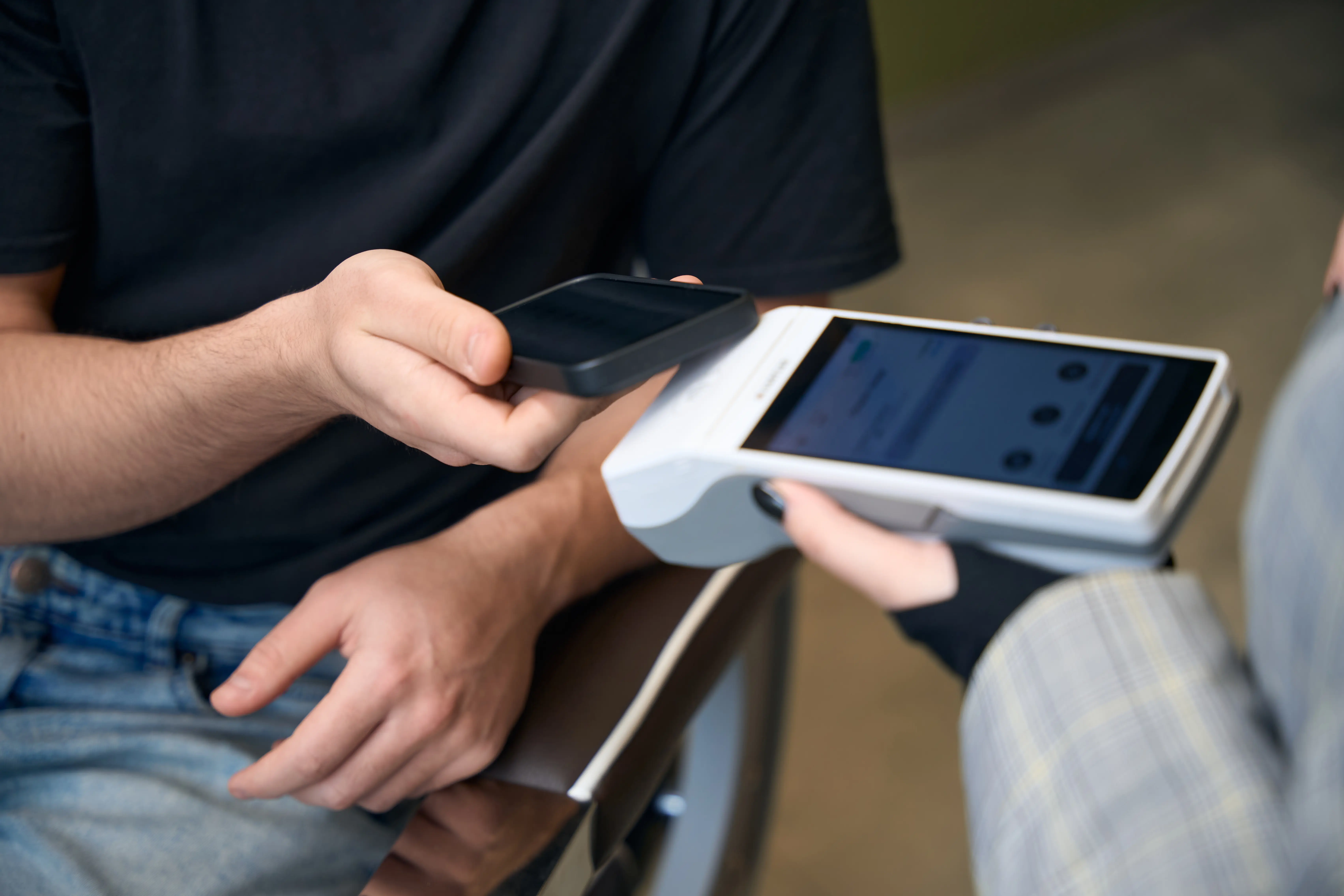
Treatment for impacted canines typically involves both a surgical component performed at our office and an orthodontic component managed by a specialist. We provide transparent pricing for the surgical portion of your treatment at your consultation.

Why Choose Arvada Dental Center for Impacted Canine Treatment?

Successfully treating an impacted canine requires close coordination between the oral surgery and orthodontic teams. At Arvada Dental Center, we handle the surgical exposure in-house and work with a network of trusted orthodontic specialists to ensure your treatment is seamless from start to finish.

Dr. Bennett and our team use advanced 3D imaging to locate the impacted tooth with precision before any procedure begins. This protects neighboring roots, minimizes surgical trauma, and gives us the information we need to plan the safest, most effective approach for your case.
Impacted Canines

FAQs

Have questions about impacted canine treatment in Arvada, Colorado? Here are answers to our most common patient questions.
How do I know if I have an impacted canine in Arvada, Colorado?
  • Most patients discover an impacted canine through routine dental X-rays before any symptoms develop. Signs may include a visible gap where a canine should be, a small bulge in the gum, unexplained pressure near the upper front teeth, or a baby canine that has never fallen out. A dental exam and X-rays are the only reliable way to confirm it.

What happens if an impacted canine is left untreated?
  • Over time, an untreated impacted canine can damage the roots of adjacent teeth, form a cyst, cause bone loss, shift surrounding teeth out of position, and disrupt your bite. In severe cases, the canine may need to be extracted entirely and replaced with an implant or bridge.

At what age should impacted canines be treated in Arvada, Colorado?
  • The earlier the better. Treatment is most effective in patients between the ages of 11 and 14 when the bone is still developing and the tooth is easier to guide. However, adults are successfully treated as well, though the process may take longer.

Is the surgical exposure procedure painful?
  • The procedure is performed under local anesthesia, so you will not feel pain during surgery. Mild soreness and swelling for a few days afterward are normal and well-managed with medication. Most patients are back to normal within two to three days.

How long does impacted canine treatment take in Arvada, Colorado?
  • The full treatment timeline, including orthodontics, typically ranges from one to three years depending on the position of the tooth and how far it needs to travel. The surgical exposure itself is a minor procedure completed in a single visit.

Does insurance cover impacted canine treatment in Arvada, Colorado?
  • Many dental and orthodontic insurance plans provide partial coverage for the surgical exposure and the orthodontic treatment involved. Our team reviews your benefits before treatment and helps you understand what is covered and what financing options are available for the remainder.

Get In Touch

Request A Consultation