
Home
Oral surgery
Bone Grafting

Bone Grafting

in Arvada, CO
Bone loss does not have to disqualify you from dental implants. Bone grafting rebuilds the foundation your jaw needs to support a permanent, lasting restoration.

Build the Foundation for a Better Smile.

Restoring What Time and Tooth Loss Take Away.
When teeth are lost or removed, the jawbone beneath them begins to shrink. Over time, this bone loss can make dental implants impossible without preparation. At Arvada Dental Center, bone grafting rebuilds the bone volume needed to place implants successfully, opening the door to a permanent solution for patients who might otherwise be told they do not qualify.

What Is Bone Grafting?

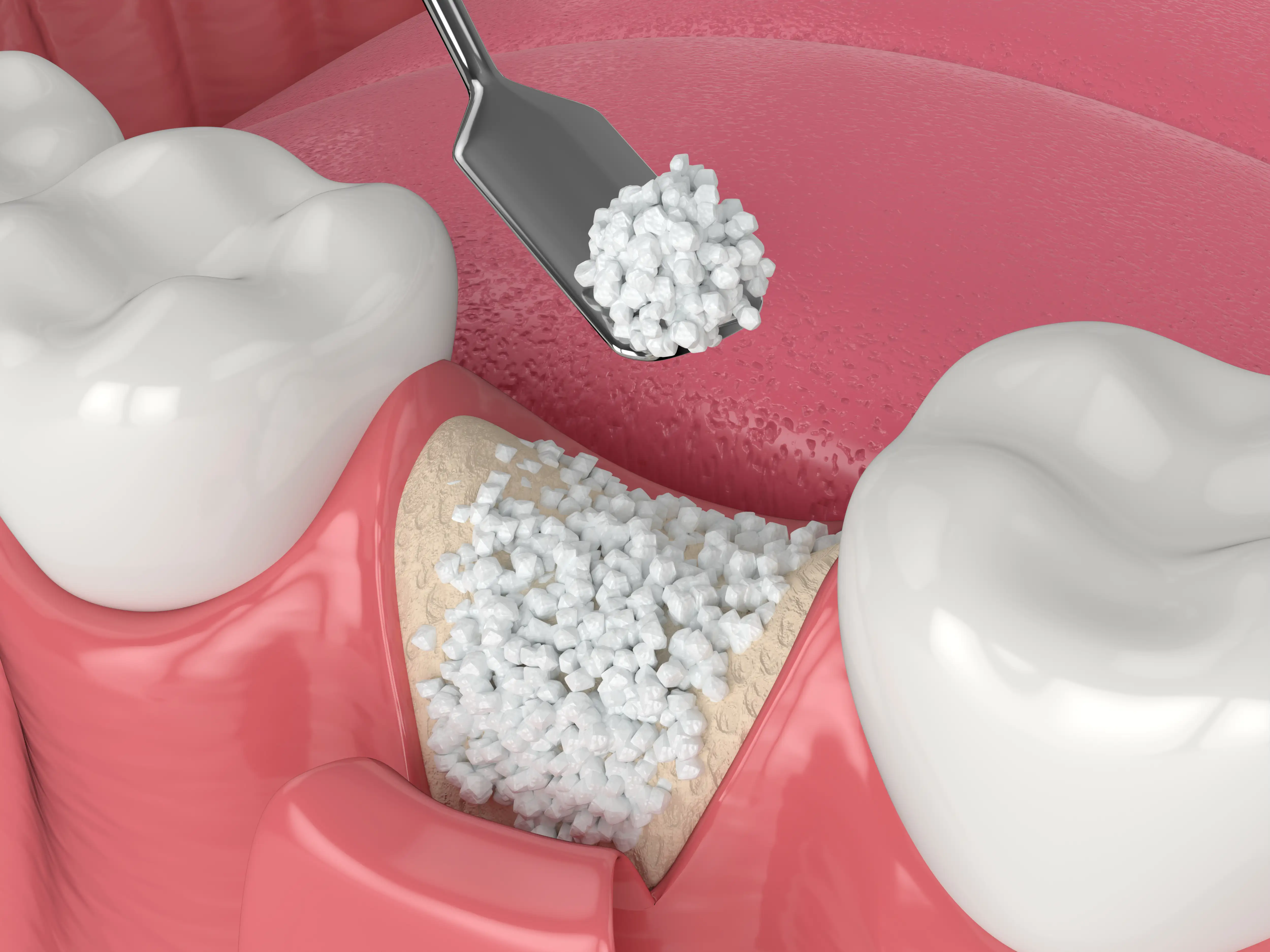
Bone grafting is a surgical procedure that adds bone or bone-like material to an area of the jaw where volume has been lost. The graft acts as a scaffold that encourages your body to grow new bone in its place over the following months. Once the area has healed and the new bone has matured, implants can be placed with a stable, solid foundation beneath them.
Bone loss in the jaw occurs naturally following tooth extraction, gum disease, injury, or years of wearing dentures. The longer a tooth has been missing, the more bone has typically been lost. Bone grafting reverses this process and restores the structural support that implants require to integrate successfully and hold up for decades.

Why Bone Grafting Is Necessary

Many patients who want dental implants are surprised to learn their bone density is insufficient. Here is why grafting is often the most important step in the implant process.
  • Implants Need Bone to Anchor Into: A dental implant is a titanium post that fuses with the jawbone. Without adequate bone volume, there is nothing to hold the implant in place and osseointegration cannot occur.

  • Dentures Accelerate Bone Loss: Traditional dentures do not stimulate the jawbone the way natural teeth or implants do. Long-term denture wearers often experience significant bone shrinkage that must be addressed before implants are placed.

  • Extractions Trigger Immediate Bone Loss: After a tooth is removed, the surrounding bone begins to resorb within weeks. Socket preservation grafts placed at the time of extraction prevent this from happening.

  • Gum Disease Destroys Supporting Bone: Periodontal disease does not just damage gum tissue, it destroys the bone supporting your teeth. Grafting restores what infection has taken away.

  • It Expands Who Qualifies for Implants: Bone grafting opens implant treatment to patients who would otherwise be told their bone loss is too severe for a standard implant procedure.

If you have been told you do not have enough bone for implants, a bone graft consultation at Arvada Dental Center is your next step. In most cases, grafting makes implants possible.

Types of Bone Grafts We Offer

The right type of graft depends on how much bone needs to be replaced and where in the jaw it is needed. We offer the following options.

Socket Preservation Graft

Performed immediately after a tooth extraction to prevent the bone collapse that naturally follows removal. Grafting material is placed directly into the socket before it is closed. This preserves bone volume and keeps the site ready for an implant once healing is complete.

Ridge Augmentation

Used when significant bone loss has already occurred in an area where a tooth has been missing for some time. The graft rebuilds the height and width of the ridge so an implant can be placed at the correct depth and angle.

Sinus Lift

Performed in the upper jaw when bone height beneath the sinus cavity is insufficient for implant placement. The sinus membrane is gently elevated and grafting material is added beneath it to increase bone height. A common procedure for patients replacing upper back teeth.

 Block Graft

Used for patients with more significant bone deficiencies. A block of bone is harvested and secured to the deficient area with small screws. Once integrated, the screws are removed and implants can be placed. Typically used when larger volumes of bone need to be rebuilt.

Am I a Candidate for Bone Grafting?

You may be a candidate for bone grafting if a 3D scan has shown insufficient bone volume for implant placement, if you have had teeth missing for an extended period, if you have experienced bone loss from gum disease, or if you are having a tooth extracted and want to preserve the site for a future implant. Most patients in good general health are candidates for some form of grafting.
Patients with uncontrolled diabetes, active infections, or who smoke heavily may face a higher risk of graft failure and will need to address those factors before proceeding. Our team assesses your full medical and dental history at your consultation and determines which type of graft is appropriate based on 3D imaging of your bone structure. No two cases are identical and your plan will be built specifically around your anatomy.

What to Expect: The Bone Grafting Process

1

Consultation and 3D Imaging

We begin with a full evaluation including cone beam 3D CT imaging to measure your bone volume precisely. This tells us exactly where bone is deficient, how much needs to be replaced, and which type of graft is the right fit for your case.
2

Surgical Placement

The graft procedure is performed under local anesthesia. Sedation is available for patients who prefer it. The grafting material is placed into the target area and covered with a membrane that protects the site and promotes new bone growth.
3

Healing and Bone Maturation

New bone growth takes time. Depending on the type and size of the graft, the healing period typically ranges from three to nine months. During this time we monitor your progress with follow-up imaging to confirm the graft is integrating properly.
3

Implant Placement

Once the grafted bone has fully matured and reached the density needed to support an implant, we schedule your implant surgery. At this point the process continues along the standard implant timeline toward your final restoration.

Recovery and Aftercare

Most bone graft procedures cause mild to moderate discomfort, swelling, and bruising in the days following surgery. Prescribed antibiotics and pain medication are standard aftercare. A soft diet is recommended for the first one to two weeks to protect the graft site.

Avoid smoking, using straws, or any activity that creates suction in the mouth during the early healing period as these can disrupt the graft. Keep the area clean with gentle saltwater rinses as directed. Our team schedules follow-up visits to monitor healing and answer any questions that come up during recovery.

Flexible Financing for Bone Grafting
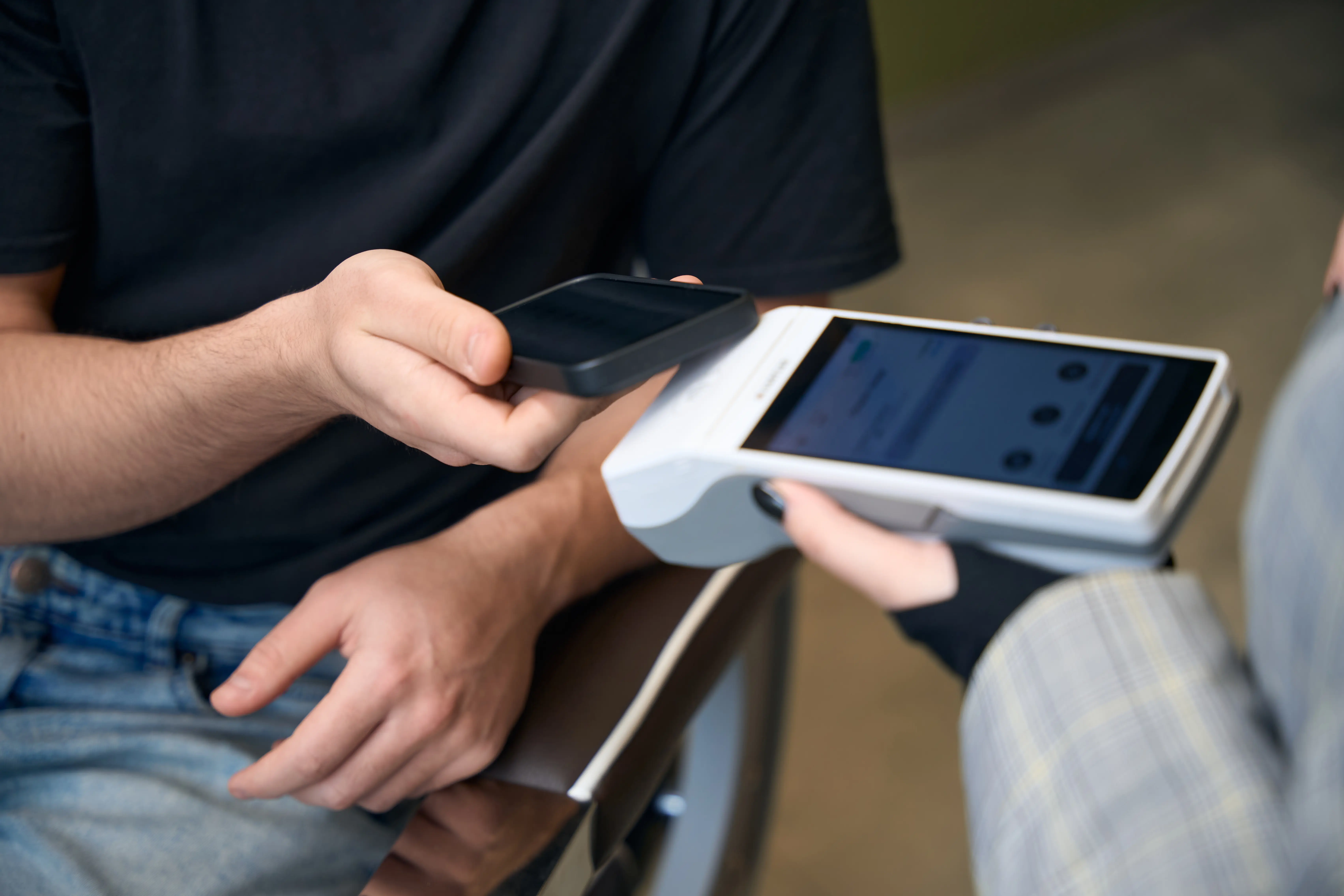
Bone grafting is an important investment in the long-term success of your implant treatment. At Arvada Dental Center, we work to make every step of the implant process financially manageable. We accept CareCredit, Cherry Payment Plans, Sunbit Finance, PatientFi, Proceed Finance, and LendingClub, as well as cash, check, and credit cards.

Why Choose Arvada Dental Center for Bone Grafting?

Dr. Gregory Bennett performs bone grafting procedures in-house as part of a comprehensive implant treatment plan. Rather than sending you to a separate specialist for each step, we keep your entire journey coordinated under one roof. One team, one plan, and one provider accountable for your outcome from start to finish.

We use cone beam 3D CT imaging to plan every graft with precision. This technology allows us to visualize your bone in three dimensions, identify the exact areas of deficiency, and choose the most efficient approach before any procedure begins. The result is better accuracy and less guesswork.
Bone Grafting

FAQs

Have questions about bone grafting in Arvada, Colorado? Here are answers to our most common patient questions.
How much does bone grafting cost in Arvada, Colorado?
  • The cost of bone grafting depends on the type and size of the graft needed. A simple socket preservation graft may start around $400 to $800, while larger ridge augmentations or sinus lifts can range from $1,500 to $3,000 or more. We provide a full itemized cost breakdown at your consultation. Financing is available through CareCredit, Cherry, Sunbit, and others.

How long does bone grafting take to heal?
  • Healing time depends on the size and type of graft. Most grafts require three to six months for the bone to mature sufficiently for implant placement. Larger grafts such as sinus lifts may require six to nine months. We monitor your healing with follow-up imaging throughout the process.

Is bone grafting painful?
  • The procedure is performed under local anesthesia so you will not feel pain during surgery. Mild to moderate soreness, swelling, and bruising are common in the days afterward and are managed well with prescribed medication. Most patients find recovery more manageable than expected.

What is a socket preservation graft and do I need one in Arvada, Colorado?
  • A socket preservation graft is placed immediately after a tooth extraction to prevent the bone collapse that naturally follows removal. If you are having a tooth extracted and plan to replace it with an implant in the future, a socket preservation graft is strongly recommended to keep the site ready and avoid the need for a larger graft later.

Does insurance cover bone grafting in Arvada, Colorado?
  • Many dental insurance plans provide partial coverage for bone grafting when it is deemed medically necessary as part of implant treatment. Coverage varies significantly by plan. Our team reviews your benefits before treatment and helps you maximize what your insurance will cover.

Get In Touch

Request A Consultation