


Sinus Lifts
Creating the Space for a Lasting Smile.
What Is a Sinus Lift?
Why a Sinus Lift May Be Necessary

The Sinus Floor Is Too Low: In some patients, the sinus cavity naturally sits close to the upper jaw, leaving limited bone below even with healthy teeth present.
Teeth Have Been Missing for a Long Time: The longer upper back teeth have been absent, the more bone resorption occurs and the lower the sinus floor tends to drop.
Bone Loss From Gum Disease: Periodontal disease destroys the bone supporting the upper teeth, often leaving the sinus cavity with little separation from the ridge.
Natural Anatomy: Some patients simply have larger sinus cavities or thinner bone in the upper jaw due to their individual anatomy, making a sinus lift necessary regardless of tooth loss history.
Previous Denture Wear: Long-term denture use accelerates bone resorption in the upper jaw, compounding the issue and often making sinus augmentation a prerequisite for implants.
What to Expect: The Sinus Lift Process
Consultation and 3D Imaging
Surgical Procedure
Healing and Bone Maturation
Implant Placement
Recovery and Aftercare

Avoid blowing your nose, sneezing forcefully, or using straws during the early healing period as pressure changes can displace the graft. A soft diet is recommended for the first two weeks. Our team provides detailed aftercare instructions and schedules follow-up visits to monitor your healing at each stage.
Flexible Financing for Sinus Lift Treatment
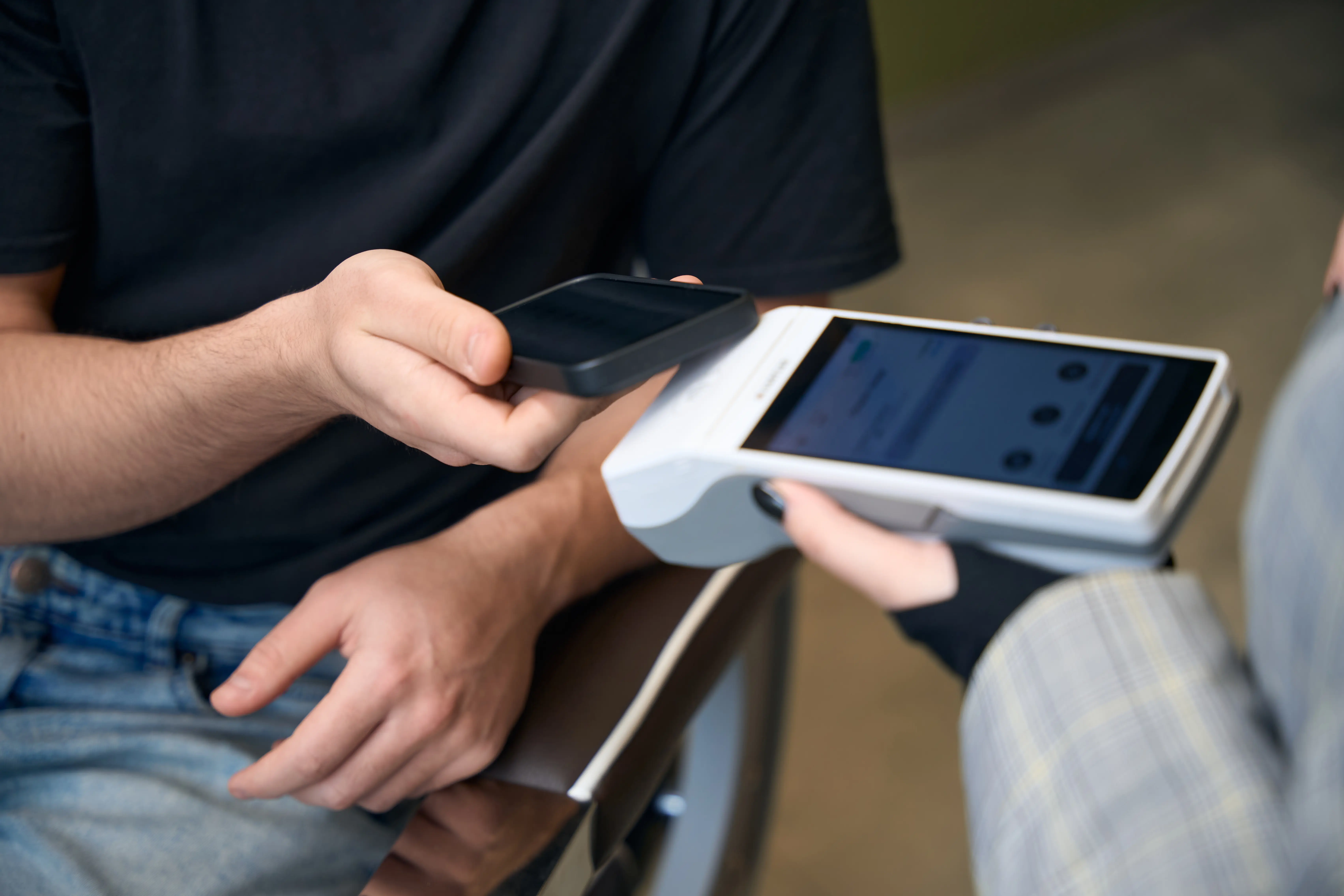
A sinus lift is an important part of making implants possible in the upper jaw, and we work to make the full cost of your treatment manageable. We accept CareCredit, Cherry Payment Plans, Sunbit Finance, PatientFi, Proceed Finance, and LendingClub, as well as cash, check, and credit cards.
Why Choose Arvada Dental Center for a Sinus Lift?

We use cone beam 3D CT imaging to plan every sinus lift with precision before the first incision is made. This allows us to visualize the exact thickness of the sinus membrane, the position of the sinus floor, and the amount of bone available, protecting the sinus and surrounding anatomy throughout the procedure.
FAQs
A sinus lift at Arvada Dental Center typically ranges from $1,500 to $3,000 per side depending on the amount of grafting material needed and the complexity of your case. We provide a full itemized cost breakdown at your consultation. Financing is available through CareCredit, Cherry, Sunbit, PatientFi, and others.
Most patients require six to nine months of healing before the grafted bone is dense enough to support implant placement. The procedure itself is completed in a single appointment. Follow-up imaging confirms when healing is complete and you are ready for the next step.
The procedure is performed under local anesthesia so there is no pain during surgery. Swelling, pressure, and mild soreness in the cheek area are common for the first week and are managed well with prescribed medication. Most patients are surprised by how tolerable the recovery is.
In some cases, yes. Zygomatic implants anchor into the cheekbone rather than the upper jaw and can be an option for patients with severe upper jaw bone loss who want to avoid grafting entirely. Short implants placed in the remaining bone are another option in select cases. Our team will review every alternative with you at your consultation to find the best fit.
A sinus lift is a specific type of bone graft performed in the upper jaw beneath the sinus cavity. All sinus lifts involve bone grafting, but not all bone grafts are sinus lifts. Other grafting procedures such as socket preservation and ridge augmentation address different areas and conditions.
Patients with active sinus infections or chronic sinusitis need those conditions resolved before a sinus lift can be safely performed. We coordinate with your physician if needed and wait until your sinus health is stable before scheduling the procedure. Seasonal allergies alone are generally not a contraindication.
Many dental insurance plans offer partial coverage for sinus lifts when they are performed as a necessary step toward implant placement. Coverage varies by plan. Our team reviews your policy before treatment and helps you understand exactly what is and is not covered before committing to the procedure.