.svg)


September 2, 2025

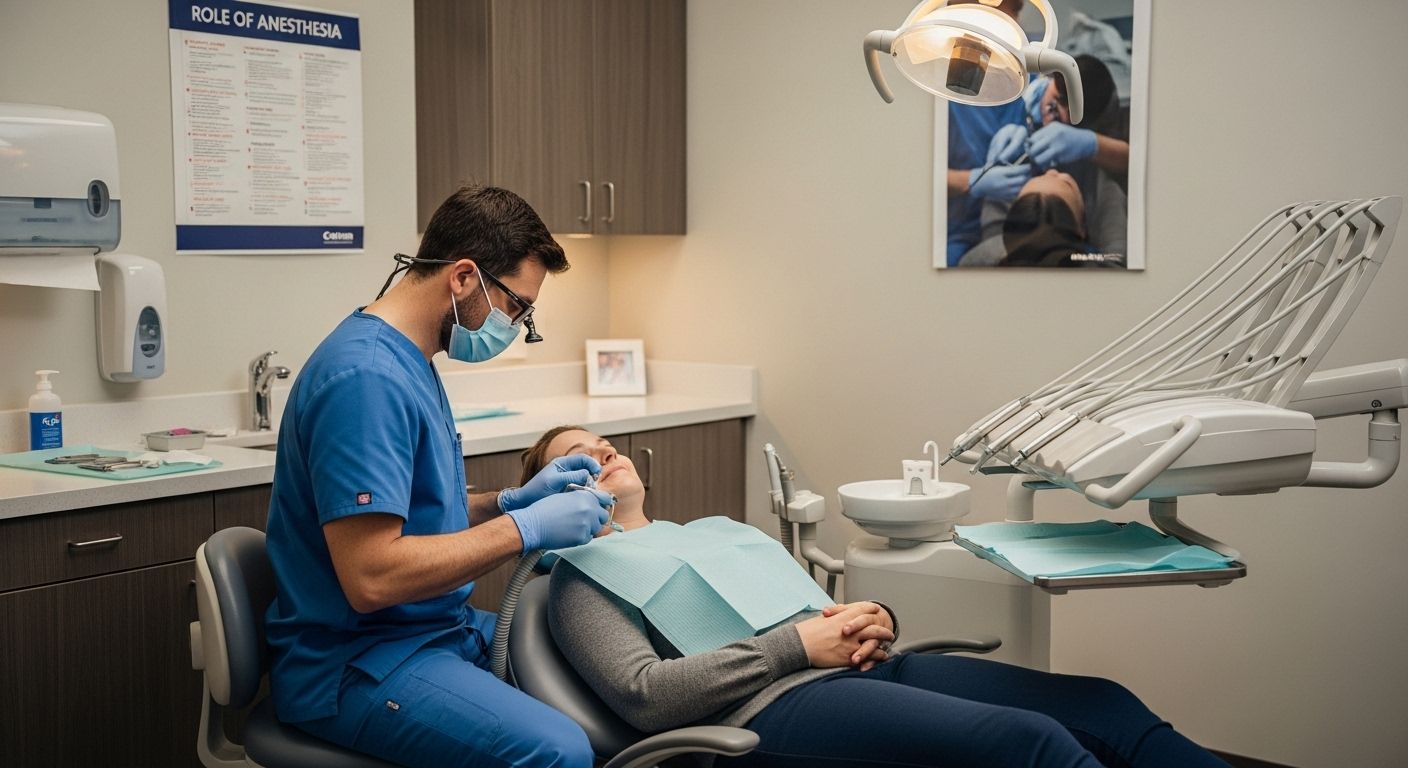
Dental visits spark a lot of nerves for one big reason and everyone knows it. Pain. The good news is that modern anesthesia now makes even the most complex dental procedures surprisingly comfortable. But get this. Precise anesthesia techniques mean over 90 percent of dental treatments today are pain-free or nearly pain-free. And that flips the script on everything you thought you knew about dental appointments.
Quick Summary
| Takeaway | Explanation |
|---|---|
| Anesthesia transforms dental experiences. | Anesthesia effectively manages pain and anxiety, improving patient comfort during dental procedures. |
| Multiple anesthesia types cater to needs. | Options like local, conscious sedation, and general anesthesia ensure personalized pain management for various dental treatments. |
| Effective pain management enhances safety. | Controlled anesthesia allows dentists to operate with precision, reducing complication risks during procedures. |
| Anesthesia improves long-term patient engagement. | Positive experiences with anesthesia lead to increased likelihood of regular dental visits and prioritization of oral health. |
| Future innovations promise better anesthesia. | Technological advancements are expected to create safer, more effective, and personalized anesthesia solutions in dental care. |
What is Anesthesia and How is it Used in Dentistry?
Anesthesia plays a critical role in modern dental procedures, transforming patient experiences by managing pain and reducing anxiety during treatments. At its core, anesthesia involves using specialized medications to temporarily block nerve signals, creating a pain-free environment for dental interventions.
Types of Dental Anesthesia
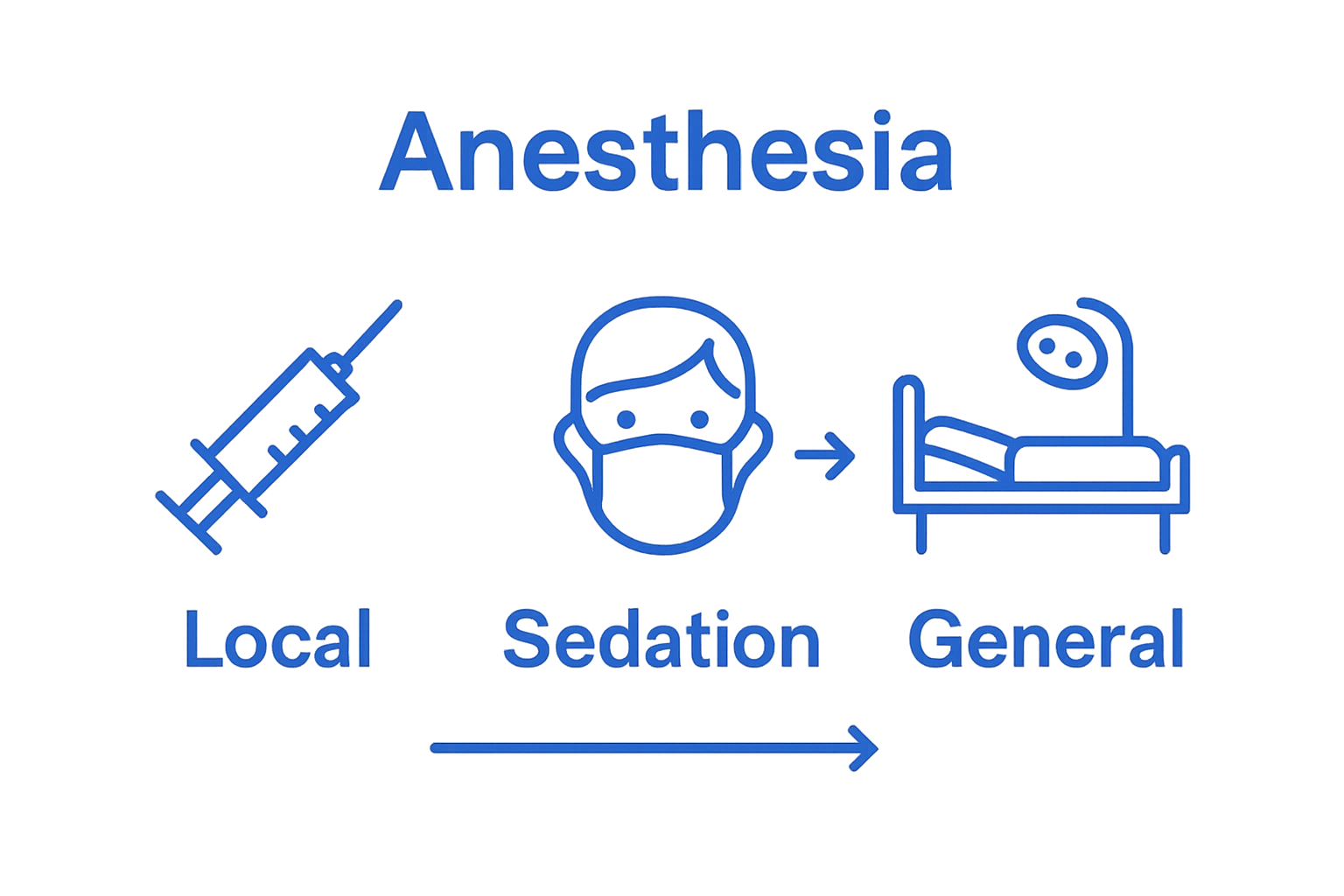
Dental professionals utilize multiple anesthesia approaches depending on the specific procedure and patient needs. These methods range from localized numbing to more comprehensive sedation techniques:
To help clarify the different anesthesia options used in dental practices, the following table compares each type by method, level of consciousness, typical use cases, and patient benefits.
| Type of Anesthesia | Method of Administration | Patient Consciousness | Common Use Cases | Key Benefits |
|---|---|---|---|---|
| Local Anesthesia | Injection or topical application | Fully conscious | Routine fillings, cleanings, minor procedures | Direct numbing, minimal side effects |
| Topical Anesthesia | Direct application to tissue | Fully conscious | Needle sites, surface-level discomfort | Reduces injection pain, easy application |
| Conscious Sedation | Inhalation, oral, or IV medication | Relaxed but responsive | Anxious patients, moderate procedures | Reduces anxiety, increases comfort |
| General Anesthesia | IV or inhalation | Unconscious | Complex surgery, severe dental phobia | No awareness or pain, used for extensive care |
- Local Anesthesia: Numbs a specific area of the mouth, allowing patients to remain fully conscious during procedures
- Topical Anesthesia: Applied directly to surface tissues to reduce initial needle discomfort
- Conscious Sedation: Reduces anxiety and provides relaxation while maintaining patient responsiveness
- General Anesthesia: Used for complex surgical interventions or patients with severe dental phobias
How Dental Anesthesia Works
The role of anesthesia in dentistry centers on interrupting pain signals between nerve endings and the brain. Local anesthetic agents like lidocaine work by temporarily blocking sodium channels in nerve cells, preventing electrical impulses that communicate pain sensations. According to research published in the US National Library of Medicine, these medications create a localized numbness that allows dentists to perform procedures with minimal patient discomfort.
Modern dental anesthesia techniques are carefully calibrated to provide maximum comfort while maintaining patient safety. Dentists consider factors such as medical history, procedure complexity, and individual patient sensitivity when selecting the most appropriate anesthesia method. Precise dosage and targeted application ensure patients experience minimal pain and maximum relaxation during dental treatments.
Why is Anesthesia Important for Dental Procedures?
Anesthesia serves as a critical component in modern dental care, transforming patient experiences and enabling complex medical interventions that would otherwise be impossible or extremely challenging. By effectively managing pain and reducing patient anxiety, anesthesia has revolutionized how dental treatments are performed and perceived.
Patient Comfort and Psychological Well-being
The psychological impact of dental procedures cannot be understated. Many patients experience significant dental anxiety, which can prevent them from seeking necessary treatments. Anesthesia plays a crucial role in addressing these concerns by:
- Minimizing physical discomfort during procedures
- Reducing fear and psychological stress
- Creating a more positive dental experience
- Helping patients overcome previous traumatic dental encounters
Enabling Complex Dental Interventions
Advanced dental procedures require precise and potentially lengthy interventions that would be impossible without effective pain management. According to research from the National Institutes of Health, anesthesia allows dentists to perform intricate treatments such as:
- Surgical Extractions: Removing impacted wisdom teeth or complex dental roots
- Dental Implant Placement: Intricate procedures requiring extended surgical time
- Root Canal Treatments: Extensive interventions involving deep tooth structure
- Periodontal Surgeries: Comprehensive gum and bone reconstruction techniques
Safety and Precision in Treatment
Beyond pain management, anesthesia contributes significantly to the overall safety and effectiveness of dental procedures. Controlled pain suppression enables dentists to work with greater precision and concentration, reducing the risk of unintended complications. Patients remain still and relaxed, allowing for more accurate and efficient treatment delivery. By creating a controlled, comfortable environment, anesthesia transforms potentially stressful dental interventions into manageable and even routine medical experiences.
| Benefit Category | Description |
|---|---|
| Pain Management | Blocks nerve signals to eliminate or minimize discomfort during dental procedures |
| Anxiety Reduction | Calms patients, reduces psychological stress and fear, especially for those with dental phobia |
| Enables Complex Procedures | Makes lengthy or surgical interventions possible by controlling pain and movement |
| Increases Treatment Safety | Facilitates precise work by keeping patients still and relaxed |
| Improves Long-Term Engagement | Encourages regular care and positive attitudes towards future dental visits |
Types of Anesthesia Used in Dental Practices
Dental professionals employ a sophisticated array of anesthesia techniques designed to address diverse patient needs, procedural requirements, and individual medical considerations. Understanding these various approaches allows for personalized pain management and optimal patient comfort during dental treatments.
Local Anesthesia Techniques
Local anesthesia represents the most common and versatile approach in dental practices. These techniques involve directly numbing specific areas of the mouth to block pain signals during procedures. Key local anesthesia methods include:
- Infiltration Anesthesia: Injected into soft tissue near the treatment area
- Nerve Block Anesthesia: Targets specific nerve clusters to numb larger mouth regions
- Topical Anesthetic Agents: Applied directly to surface tissues to reduce initial injection discomfort
Sedation and Advanced Pain Management
Beyond traditional local anesthesia, dental practices utilize more comprehensive pain and anxiety management strategies. According to research from academic dental literature, these advanced techniques include:
- Nitrous Oxide Sedation: Mild sedative providing relaxation and reduced anxiety
- Oral Conscious Sedation: Medication-based approach for patients with high dental anxiety
- Intravenous Sedation: Deeper sedation for complex or lengthy procedures
- General Anesthesia: Comprehensive unconscious state for extensive surgical interventions
Considerations for Anesthesia Selection
Selecting the appropriate anesthesia method requires careful evaluation of multiple patient-specific factors. Dental professionals assess individual medical history, procedure complexity, patient anxiety levels, and potential risk factors to determine the most suitable approach. Some critical considerations include age, overall health status, previous medical experiences, and the specific dental intervention planned. The goal remains consistent: providing safe, effective pain management that ensures patient comfort and enables precise, high-quality dental treatment.
How Anesthesia Affects Patient Experience in Dentistry
Anesthesia fundamentally transforms the patient experience in dental settings, converting potentially traumatic medical interventions into manageable and even comfortable procedures. By addressing both physical pain and psychological barriers, anesthesia plays a crucial role in reshaping patient perceptions and behaviors toward dental care.
Psychological Impact and Anxiety Reduction
Dental anxiety represents a significant barrier to receiving necessary medical treatment for many patients. Anesthesia serves as a powerful tool in mitigating these psychological challenges by:
- Providing a sense of control and predictability during procedures
- Minimizing traumatic sensory experiences
- Rebuilding patient confidence in dental interventions
- Creating positive associations with dental care
Physical Comfort and Pain Management
The direct physiological benefits of anesthesia extend far beyond simple pain suppression. According to research published in the Journal of Dental Anesthesia and Pain Medicine, effective anesthesia fundamentally alters patient perception of dental procedures by:
- Eliminating Immediate Pain Sensations: Blocking nerve signals during interventions
- Reducing Involuntary Muscle Responses: Enabling more precise and efficient treatments
- Minimizing Post-Procedural Discomfort: Limiting potential trauma and recovery time
- Supporting Complex Medical Interventions: Allowing dentists to perform intricate procedures
Long-Term Patient Engagement and Healthcare Outcomes
Positive dental experiences facilitated by effective anesthesia have profound implications for long-term patient health behaviors. By transforming dental visits from potentially frightening encounters to manageable medical interactions, anesthesia helps break cycles of dental avoidance. Patients who experience compassionate, pain-free treatments are more likely to maintain regular dental check-ups, pursue necessary interventions, and prioritize their oral health. This psychological shift represents a critical aspect of comprehensive healthcare engagement, demonstrating how sophisticated pain management techniques can fundamentally improve patient wellness and preventative care strategies.
The Future of Anesthesia in Dental Care
The landscape of dental anesthesia is rapidly evolving, driven by technological innovations, advanced medical research, and an increasing focus on patient-centered care. These emerging developments promise to revolutionize pain management and patient experiences in dental practices across the world.
Technological Innovations in Anesthesia Delivery
Cutting-edge technologies are transforming traditional anesthesia approaches, offering more precise, comfortable, and personalized pain management solutions. Emerging technologies are set to redefine patient experiences by:
- Needle-Free Delivery Systems: Reducing patient anxiety about injections
- Computer-Controlled Local Anesthetic Delivery: Enabling more precise and consistent numbing
- Digital Pain Management Monitoring: Tracking patient responses in real-time
- Artificial Intelligence Integration: Customizing anesthesia protocols
Advanced Anesthetic Agents and Personalized Approaches
According to research from the National Institutes of Health, the future of dental anesthesia centers on developing more sophisticated, patient-specific pain management strategies. These emerging approaches include:
- Developing targeted anesthetic agents with fewer side effects
- Creating personalized anesthesia protocols based on individual patient genetics
- Implementing advanced risk assessment technologies
- Exploring bio-engineered pain management solutions
Safety and Patient Experience Optimization
Patient safety and comfort remain paramount in future dental anesthesia developments. Emerging trends focus on creating holistic approaches that minimize risks, reduce patient anxiety, and provide more predictable, controlled pain management experiences. By integrating advanced technologies, genetic insights, and sophisticated monitoring systems, dental professionals can create increasingly tailored, safe, and effective anesthesia protocols. These innovations represent more than technological upgrades they signify a fundamental shift toward more compassionate, precise, and patient-centered dental care.
Experience Pain-Free Dentistry with the Latest in Anesthesia
Dental anxiety or fear of discomfort can keep you from getting the care you need. After reading about how anesthesia transforms dental procedures by blocking pain signals and providing a sense of calm, it is clear that modern techniques are essential for positive dental visits. At Arvada Dental Center, we prioritize your comfort using advanced anesthetic solutions for everything from routine care to complex full arch restorations.
.jpg)
Let us help you overcome your concerns and take control of your dental health. Our team is trained in the safest, most effective pain management approaches—so you can experience dental implants, emergency dentistry, and full mouth restorations without fear or stress. Discover the difference at Arvada Dental Center and schedule your first pain-free visit today.
Frequently Asked Questions
What types of anesthesia are used in dentistry?
Dentists commonly use local anesthesia, topical anesthesia, conscious sedation, and general anesthesia depending on the procedure and patient needs.
How does local anesthesia work during dental procedures?
Local anesthesia works by temporarily blocking nerve signals in a specific area of the mouth, allowing the patient to remain conscious while preventing pain during procedures.
Why is anesthesia important for patients undergoing dental procedures?
Anesthesia is crucial for managing pain and anxiety, enabling patients to undergo necessary dental treatments comfortably and safely, especially during complex procedures.
What are the differences between sedation and general anesthesia in dentistry?
Sedation reduces anxiety while allowing the patient to remain awake and responsive, whereas general anesthesia induces a state of unconsciousness and is used for more complex or invasive procedures.