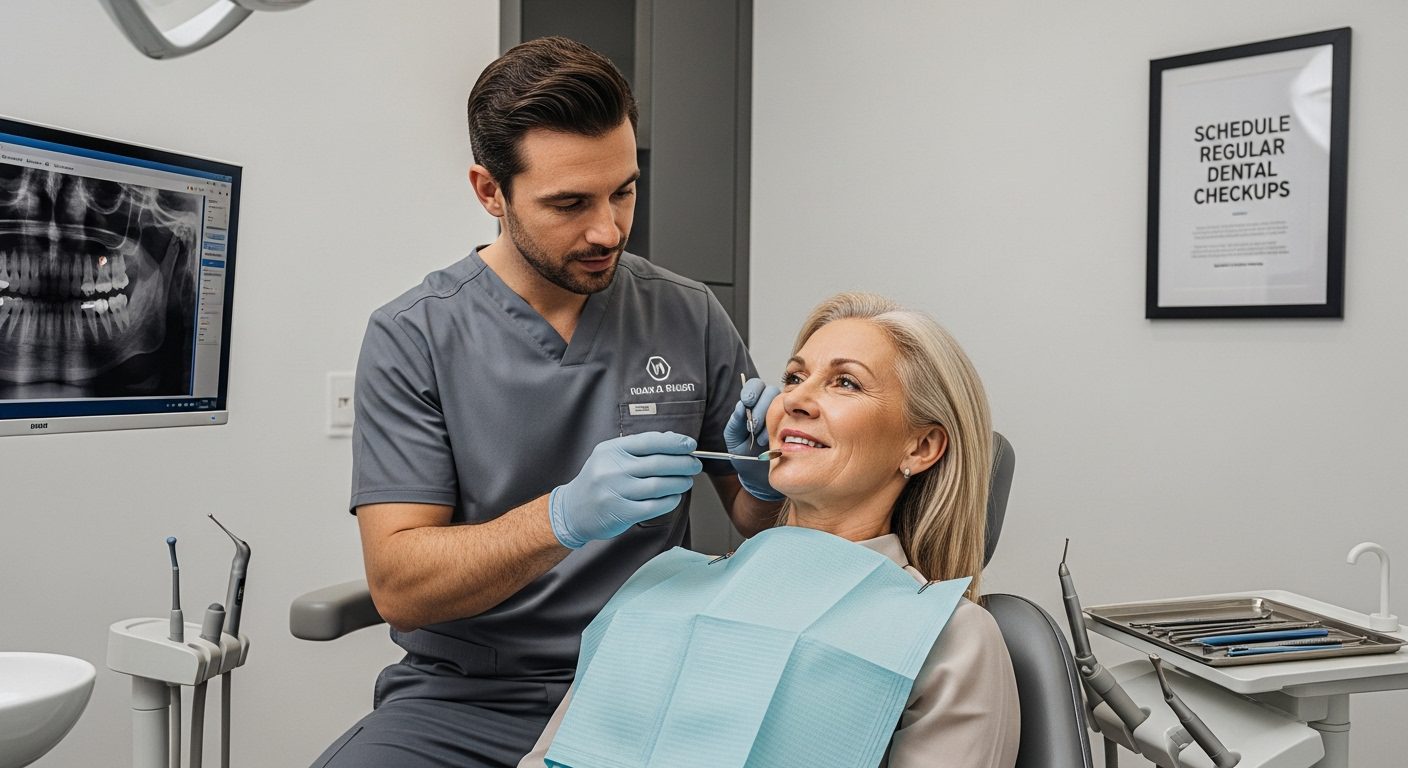
Understanding Why Dental Emergencies Occur
September 13, 2025


Dental emergencies seem rare until you realize they affect millions every year and can lead to over $46 billion in lost workplace productivity. Most people think toothaches and chipped teeth are just minor annoyances. But urgent dental problems can ripple out to derail families, disrupt work, and even trigger health complications you never expected.
Quick Summary
| Takeaway | Explanation |
|---|---|
| Recognize critical dental emergencies quickly | Severe pain, swelling, or bleeding indicate urgent care needed. Prompt recognition helps prevent complications. |
| Maintain regular dental check-ups | Regular visits can catch issues early, avoiding emergencies and costly treatments later. Early detection is key. |
| Implement strong oral hygiene practices | Brush, floss, and use mouthwash daily to prevent dental issues. Consistent care maintains ideal oral health. |
| Understand risks from lifestyle choices | Avoiding tobacco and excessive sugar reduces emergency likelihood. Lifestyle significantly impacts dental health. |
| Plan for family and workplace impacts | Dental emergencies affect productivity and finances. Awareness can help mitigate unexpected challenges in daily life. |
The Nature of Dental Emergencies: What Are They?
Dental emergencies represent urgent medical situations involving teeth, gums, and oral structures that require immediate professional intervention. These critical conditions can dramatically impact an individual’s health, comfort, and long-term dental wellness. Understanding what constitutes a dental emergency helps patients recognize when professional help is necessary and can prevent potential complications.
Defining Dental Emergencies
A dental emergency is any oral health condition that presents significant pain, potential tissue damage, or risk of permanent dental damage if not addressed promptly. Research from the National Institutes of Health indicates that dental emergencies encompass a range of scenarios that demand swift professional assessment and treatment.
These urgent situations typically include:
- Severe tooth pain or persistent dental discomfort
- Dental trauma resulting from accidents or injuries
- Uncontrolled bleeding in the mouth
- Significant swelling around teeth or gums
- Knocked-out or loose teeth
- Dental abscesses or serious infections
Critical Characteristics of Dental Emergencies
Dental emergencies are distinguished by their potential for immediate and long-term consequences. Unlike routine dental issues, these situations can rapidly escalate, causing significant pain and potentially permanent damage to oral structures. Factors that transform a dental problem into an emergency include the intensity of pain, risk of infection, potential for tooth loss, and the overall impact on an individual’s health.
Patients can learn more about recognizing dental emergencies through professional guidance and understanding the warning signs. Prompt recognition and immediate professional intervention are crucial in managing these urgent oral health situations effectively.
Common Causes of Dental Emergencies: Understanding Triggers
Understanding the root causes of dental emergencies is crucial for prevention and proactive oral health management. These urgent situations often emerge from a complex interplay of factors that can compromise dental structures and overall oral wellness. By examining the primary triggers, patients can better protect themselves and recognize potential risks before they escalate into critical conditions.
Structural and Physiological Triggers
Research from dental health experts reveals that dental emergencies frequently originate from underlying structural and physiological issues. The most common triggers include:

- Untreated dental decay leading to severe infections
- Periodontal disease causing tissue breakdown
- Advanced tooth decay penetrating dental pulp
- Weakened tooth structure from previous dental work
- Genetic predispositions to dental vulnerability
Dental caries represent a significant contributor to emergency scenarios. When bacterial infections progress unchecked, they can transform a minor cavity into a serious medical situation requiring immediate intervention. The progression typically involves bacterial erosion of tooth enamel, penetration into deeper tooth layers, and potential spread of infection to surrounding tissues.
External Trauma and Lifestyle Factors
Beyond physiological triggers, external factors play a substantial role in precipitating dental emergencies. Sports injuries, automobile accidents, workplace incidents, and even seemingly minor impacts can cause immediate dental trauma. Lifestyle choices such as contact sports participation, teeth grinding, and poor oral hygiene practices significantly increase the likelihood of experiencing a dental emergency.
Patients seeking comprehensive guidance can explore emergency dental protocols to better understand prevention and immediate response strategies. Recognizing these triggers empowers individuals to take proactive steps in maintaining optimal oral health and minimizing unexpected dental complications.
| Preparation Item | Description |
|---|---|
| Structural and Physiological | Untreated dental decay, periodontal disease, advanced tooth decay, weakened teeth, genetic predispositions |
| External Trauma | Sports injuries, automobile accidents, workplace incidents, minor impacts |
| Lifestyle and Behavioral Factors | Teeth grinding, participation in contact sports, poor oral hygiene practices |
The Importance of Timely Dental Care: Why It Matters
Timely dental care represents a critical preventive strategy that goes far beyond routine maintenance, serving as a fundamental approach to preserving overall oral health and preventing potentially serious medical complications.

Proactive dental interventions can dramatically reduce the risk of emergencies, minimize long-term treatment costs, and protect an individual’s comprehensive health profile.
Early Detection and Prevention
Research from public health experts highlights that consistent and timely dental care enables early detection of potential issues before they escalate into significant health problems. This approach allows dental professionals to identify and address emerging conditions through strategic interventions:
- Identifying early signs of tooth decay
- Detecting potential gum disease indicators
- Screening for oral cancer risks
- Monitoring potential structural dental changes
- Preventing minor issues from becoming complex emergencies
Early intervention not only preserves dental structures but also prevents the progression of conditions that could lead to more invasive and expensive treatments. By addressing minor dental concerns promptly, patients can avoid the physical discomfort and financial burden associated with advanced dental emergencies.
Comprehensive Health Implications
Timely dental care extends beyond oral health, playing a crucial role in monitoring and maintaining overall systemic wellness. Dental examinations can reveal underlying health conditions such as diabetes, cardiovascular risks, and immune system disorders. Oral health serves as a critical indicator of broader physiological functioning, making regular dental check-ups an essential component of preventive healthcare.
Patients interested in maintaining optimal oral health can learn more about routine dental care strategies to develop a comprehensive approach to long-term wellness. Investing in consistent, proactive dental care represents a fundamental strategy for preventing emergencies and maintaining overall health.
Impact on Families and Businesses: Real-World Context
Dental emergencies extend far beyond individual health concerns, creating ripple effects that significantly impact family dynamics, workplace productivity, and broader economic structures. Understanding these multifaceted consequences reveals the profound importance of proactive dental care and emergency prevention strategies.
Economic and Productivity Disruptions
Research from the Centers for Disease Control and Prevention highlights the substantial economic implications of dental emergencies. These unexpected health events generate considerable financial and operational challenges for both families and businesses:
- Annual dental care costs exceeding $136 billion nationwide
- Approximately $46 billion in lost workplace productivity
- Significant unexpected medical expenses for families
- Potential loss of wages due to emergency treatment
- Increased stress and financial strain
For working parents and professionals, dental emergencies can trigger a cascade of logistical and financial complications. The immediate need for urgent dental treatment often requires unplanned time off work, potentially compromising job performance and personal income stability.
Family and Workplace Vulnerability
Dental emergencies disproportionately affect families with limited financial resources and healthcare access. Single-parent households and families with minimal insurance coverage are particularly vulnerable to the cascading effects of unexpected oral health crises. Children suffer significant educational disruptions, with millions of school hours lost annually due to dental-related medical interventions.
Businesses also experience substantial indirect costs through employee absenteeism and reduced productivity.
| Impact Type | Specific Effects |
|---|---|
| Economic Costs | Annual dental care costs exceeding $136 billion nationwide |
| Productivity Loss | Approximately $46 billion in lost workplace productivity |
| Family Finances | Significant unexpected medical expenses, potential loss of wages |
| Stress/Strain | Increased stress and financial strain for families |
| Business Disruption | Employee absenteeism, reduced productivity, workforce management challenges |
| Education Impact | Millions of school hours lost annually due to dental-related interventions |
These emergencies create unexpected challenges in workforce management and operational continuity. Explore strategies for managing dental health in professional environments to minimize these potential disruptions and maintain organizational efficiency.Preventative Measures: How to Reduce Risks
Preventative dental care represents a strategic approach to minimizing the likelihood of unexpected oral health emergencies. By implementing comprehensive strategies that address both immediate and long-term dental wellness, individuals can significantly reduce their vulnerability to sudden and potentially costly dental complications.
Comprehensive Oral Hygiene Strategies
Developing a robust oral hygiene routine serves as the foundational approach to preventing dental emergencies. Consistent and thorough care involves more than simple brushing and flossing, requiring a holistic understanding of oral health maintenance:
- Brushing teeth twice daily with fluoride toothpaste
- Flossing at least once per day to remove interdental debris
- Using antiseptic mouthwash to reduce bacterial growth
- Replacing toothbrushes every three to four months
- Utilizing soft-bristled toothbrushes to prevent enamel damage
Professional dental examinations play a crucial role in early detection and prevention. Regular check-ups allow dental professionals to identify potential issues before they escalate into emergency situations, providing targeted interventions that can prevent more serious complications.
Lifestyle and Dietary Considerations
Beyond direct oral hygiene practices, lifestyle choices significantly impact dental health and emergency risk. Certain behaviors and dietary habits can dramatically increase the probability of experiencing dental emergencies. Avoiding harmful practices such as tobacco use, excessive alcohol consumption, and consuming high-sugar diets can substantially reduce oral health risks.
Learn more about understanding potential tooth loss risks to develop a comprehensive approach to long-term dental wellness. Proactive management of personal habits and consistent professional monitoring represent the most effective strategies for preventing unexpected dental emergencies.
Stop Dental Emergencies Before They Start with Expert Help in Arvada
Experiencing severe tooth pain or unexpected dental trauma can disrupt your entire routine and cause intense worry. In our recent article “Understanding Why Dental Emergencies Occur,” we shared how urgent issues like persistent pain, swelling, infections, and trauma demand immediate action. Ignoring early warning signs can quickly turn minor discomfort into a costly emergency.
.jpg)
At Arvada Dental Center, our team is ready to address your urgent dental needs and help you prevent emergencies before they start. We combine advanced technology with a compassionate, local touch—so you never have to face a dental crisis alone. Learn how our full range of services, including emergency dentistry, comprehensive exams, and advanced restorations can safeguard your smile. Take the first step toward peace of mind by visiting Arvada Dental Center today. Don’t wait for a minor issue to become a serious problem. Schedule your visit now and get the support you deserve.
Frequently Asked Questions
What are the most common causes of dental emergencies?
Dental emergencies often arise from untreated dental decay, periodontal disease, advanced tooth decay, external trauma from accidents, and lifestyle factors such as teeth grinding.
How can I recognize a dental emergency?
Common signs of a dental emergency include severe tooth pain, uncontrolled bleeding in the mouth, significant swelling, knocked-out or loose teeth, and dental abscesses. If you experience these symptoms, seek immediate professional care.
Why is timely dental care important in preventing emergencies?
Timely dental care allows for early detection and treatment of issues that could escalate into emergencies. Regular check-ups help identify problems like tooth decay and gum disease before they worsen.
What preventative measures can I take to avoid dental emergencies?
Implementing good oral hygiene practices, such as brushing twice daily, flossing, using mouthwash, and avoiding high-sugar diets, along with regular dental visits, can significantly reduce the risk of dental emergencies.
More Posts
.jpg)
Understanding All on 4 Cost Factors for Dental Implants
.jpg)
7 Key Advantages of Dental Implants for Your Smile