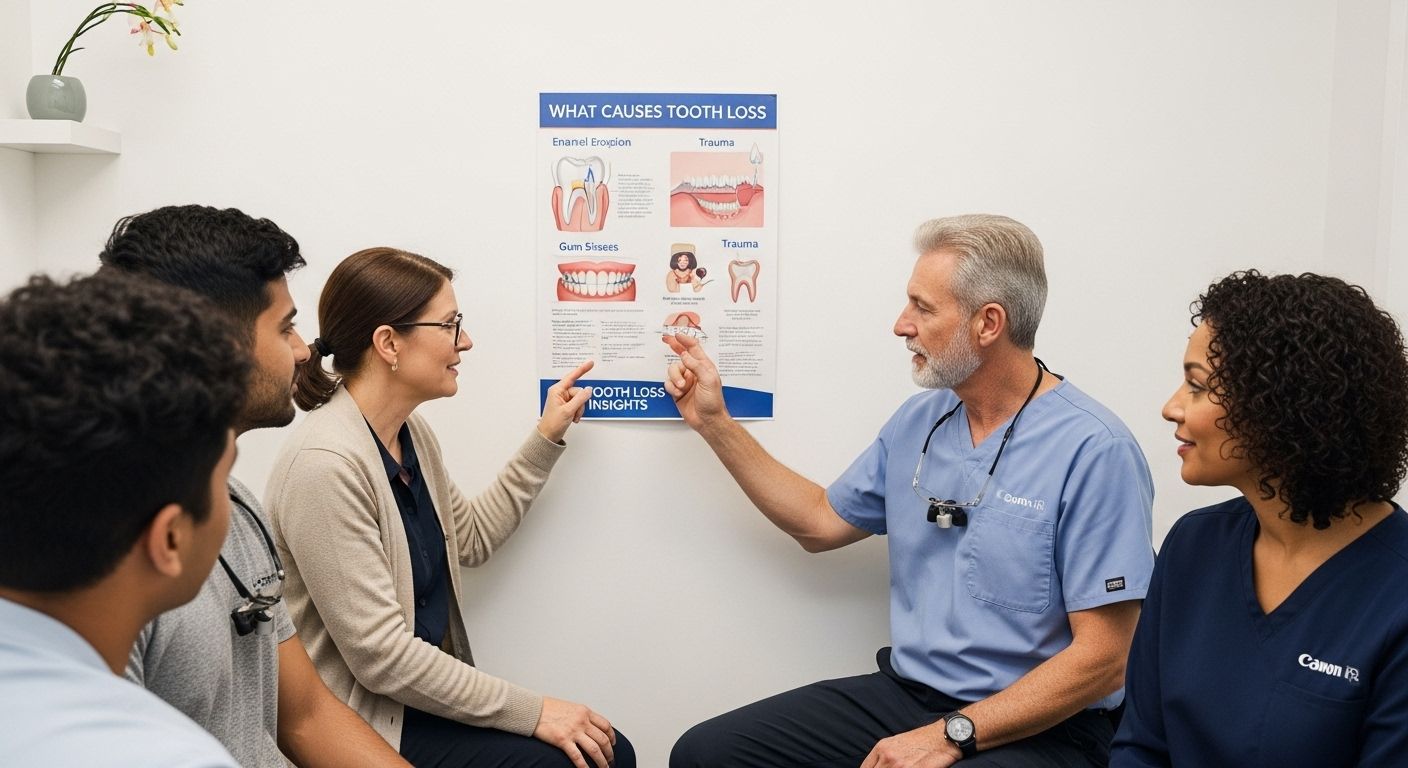
Understanding What Causes Tooth Loss: Key Insights Revealed
September 2, 2025

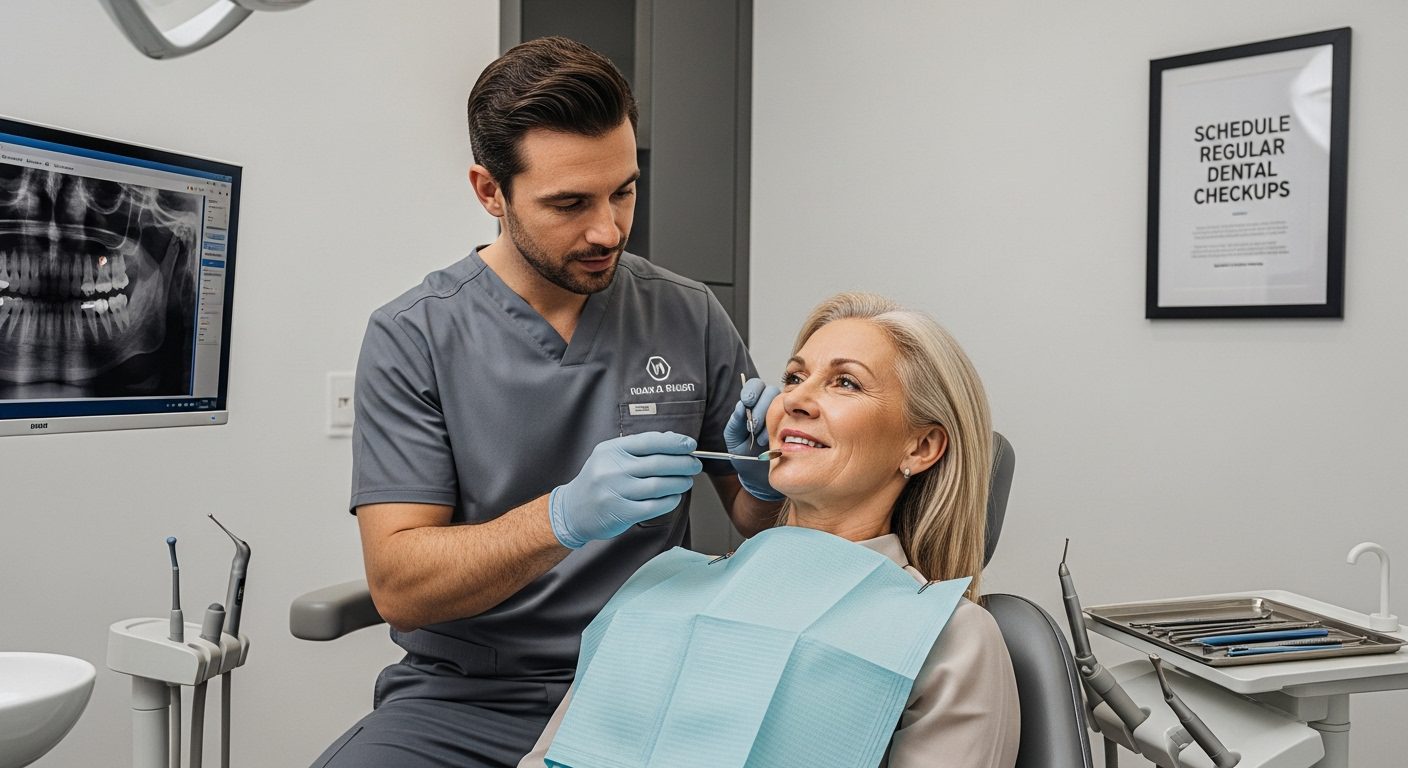
Tooth health impacts much more than your smile. Dental problems affect how you eat, speak, and even your confidence every single day. Yet, here is what surprises most people. Losing just one tooth can trigger up to a 25 percent reduction in jaw bone width within the first year alone. Most still believe the effects are cosmetic or minor, but that single missing tooth can quietly set off a cascade of health challenges that reach far beyond your gums.
Quick Summary
| Takeaway | Explanation |
|---|---|
| Daily brushing and flossing are essential. | Brush twice a day and floss daily to prevent cavities and gum disease effectively. |
| Monitor sugar intake to protect teeth. | Reducing sugary foods minimizes the risk of tooth decay and improves overall dental health. |
| Schedule regular dental check-ups. | Professional examinations help detect issues early and support long-term tooth health management. |
| Understand the risks of periodontal disease. | This common condition can lead to tooth loss if not addressed through proper care. |
| Personalize your dental care routine. | Customizing your oral hygiene based on personal health factors improves effectiveness in maintaining dental health. |
The Fundamentals of Tooth Health: What You Need to Know
Maintaining optimal tooth health requires a comprehensive understanding of the intricate factors that contribute to dental wellness. Your teeth represent more than aesthetic features – they are critical components of overall health, functioning as essential tools for nutrition, communication, and confidence.
Understanding Tooth Structure and Vulnerability
Teeth are complex biological structures composed of multiple layers: enamel, dentin, and pulp. The outermost layer, enamel, serves as a protective shield against bacteria, acids, and physical damage. However, this protective barrier is not impenetrable. According to Mayo Clinic, several critical factors can compromise tooth integrity:
- Bacterial accumulation
- Sugar consumption
- Inadequate oral hygiene
- Genetic predispositions
- Environmental factors
The vulnerability of tooth enamel means proactive care is essential. Once enamel erodes, the underlying structures become exposed, increasing risks of decay, sensitivity, and potential tooth loss.
Key Strategies for Maintaining Dental Wellness
Effective tooth health management involves a multifaceted approach. Daily oral hygiene practices form the foundation of dental wellness. This includes:
- Brushing teeth twice daily with fluoride toothpaste
- Flossing to remove interdental plaque
- Using antiseptic mouthwash
- Consuming a balanced diet low in sugary and acidic foods
- Scheduling regular professional dental examinations
Consistent implementation of these strategies can significantly reduce the likelihood of dental complications. Professional dental cleanings provide opportunities for early detection of potential issues, allowing for timely interventions that preserve long-term tooth health.
The relationship between oral hygiene and overall health extends far beyond aesthetic considerations. Proper dental care contributes to preventing systemic health issues, reducing inflammation, and maintaining crucial physiological functions. By understanding and respecting the delicate ecosystem within your mouth, you can protect one of your body’s most important biological systems.
Common Reasons for Tooth Loss: An In-Depth Look
Tooth loss represents a significant health challenge that impacts millions of adults worldwide, affecting not only aesthetic appearance but also fundamental physiological functions. Understanding the underlying mechanisms and risk factors becomes crucial for prevention and proactive dental care.
Periodontal Disease: The Silent Destroyer
Periodontal disease emerges as the primary culprit behind tooth loss. According to research in Healthcare, this progressive inflammatory condition systematically breaks down the supporting structures of teeth. The disease advances through several critical stages:
- Initial bacterial plaque accumulation
- Gum inflammation (gingivitis)
- Deepening of periodontal pockets
- Progressive bone and tissue deterioration
- Eventual tooth mobility and potential loss
The insidious nature of periodontal disease means many individuals remain unaware of its progression until significant damage has occurred.
Factors such as poor oral hygiene, genetic predisposition, smoking, and systemic health conditions like diabetes can accelerate this destructive process.

Additional Significant Factors Contributing to Tooth Loss
While periodontal disease represents the primary mechanism, several complementary factors contribute to tooth loss. Dental trauma and severe decay play substantial roles in compromising tooth integrity:
- Untreated dental cavities
- Physical injuries from accidents
- Chronic teeth grinding (bruxism)
Nutritional deficiencies, hormonal changes, and certain medical treatments can also weaken tooth structure. Individuals with compromised immune systems or those undergoing radiation therapy for head and neck cancers face elevated risks of tooth loss.
Preventative strategies remain the most effective approach. Regular dental examinations, maintaining rigorous oral hygiene practices, addressing underlying health conditions, and seeking prompt treatment for emerging dental issues can significantly mitigate the risks associated with tooth loss. By understanding these complex mechanisms, individuals can take proactive steps to preserve their dental health and overall quality of life.
The Impact of Tooth Loss on Daily Life and Health
Tooth loss extends far beyond aesthetic concerns, profoundly affecting an individual’s physical health, psychological well-being, and overall quality of life. The consequences of missing teeth ripple through multiple aspects of personal functioning, creating complex challenges that require comprehensive understanding.
Physiological Consequences of Tooth Loss
Dental absence triggers a cascade of biological changes that fundamentally alter oral and systemic health. When teeth are lost, the underlying jawbone begins to deteriorate through a process called bone resorption. According to research from the National Institutes of Health, this bone loss can occur rapidly:
- Immediate bone width reduction of 25% within the first year
- Continued bone density decrease over subsequent years
- Potential facial structure transformation
- Increased risk of further tooth loss
The structural changes can significantly impact bite alignment, chewing efficiency, and nutritional intake. Compromised chewing ability often leads individuals to modify their diet, potentially reducing consumption of essential nutrient-rich foods like fresh fruits and vegetables.

Psychological and Social Implications
Beyond physical health, tooth loss carries substantial psychological weight. Missing teeth can dramatically influence self-perception and social interactions. Individuals frequently experience:
- Reduced self-confidence
- Social anxiety in professional and personal settings
- Potential speech impediments
- Emotional distress related to appearance
These psychological impacts can lead to social withdrawal, decreased professional opportunities, and potential mental health challenges. The stigma associated with tooth loss can create barriers in personal relationships and professional advancement.
The article describes multiple physical and emotional consequences of tooth loss. The following table organizes these impacts for easier reference.
| Consequence Type | Specific Consequences |
|---|---|
| Physiological | Bone resorption, reduced bite alignment, compromised chewing, dietary limitation |
| Psychological | Reduced confidence, social anxiety, speech changes, emotional distress |
| Social | Withdrawal, limited professional opportunities, stigma |
| Aesthetic | Changes to facial structure, altered appearance |
Comprehensive tooth replacement strategies become crucial in mitigating these multifaceted consequences. Modern dental technologies offer sophisticated solutions that can restore both functional and aesthetic dimensions, helping individuals reclaim their oral health and personal confidence. By understanding the holistic impact of tooth loss, patients can make informed decisions about preventative care and restorative treatments.
Preventive Measures: How Understanding Leads to Better Care
Preventive dental care represents a proactive approach to maintaining oral health, transforming potential risks into manageable strategies. By comprehending the intricate mechanisms of dental wellness, individuals can develop targeted interventions that protect against tooth loss and related complications.
Comprehensive Oral Hygiene Strategies
Effective prevention begins with understanding the root causes of dental deterioration. Research from the American Dental Association highlights the critical importance of a systematic approach to oral care:
- Brushing teeth twice daily with fluoride toothpaste
- Implementing proper brushing techniques
- Using interdental cleaning tools
- Replacing toothbrushes every three to four months
- Selecting appropriate oral care products
The nuanced approach to oral hygiene extends beyond simple cleaning. Understanding the microbiological environment of the mouth allows for more targeted interventions. Individuals must recognize that oral bacteria form complex ecosystems that can quickly transform from beneficial to harmful if not properly managed.
Risk Assessment and Personalized Prevention
Dental health is not a one-size-fits-all proposition. Each individual presents a unique combination of genetic, environmental, and lifestyle factors that influence oral health. Key considerations for personalized prevention include:
- Comprehensive medical history evaluation
- Assessment of genetic predispositions
- Understanding individual risk factors
- Regular professional dental screenings
- Customized preventive treatment plans
Nutritional choices play a crucial role in dental preservation. Diet directly impacts oral microbiome balance, with certain foods promoting bacterial growth while others support dental health. Hydration, mineral intake, and understanding the chemical interactions within the mouth become critical components of a holistic preventive approach.
The most effective dental care emerges from a partnership between patients and dental professionals. By transforming passive treatment into active prevention, individuals can significantly reduce the likelihood of tooth loss and maintain optimal oral health throughout their lifetime.
Restore Your Smile and Confidence After Tooth Loss
Losing a tooth affects so much more than just your appearance. As discussed in our article, missing teeth can put your health and self-esteem at risk, leading to bone loss, difficulty eating, and emotional discomfort. Many people in Arvada and the Denver metro area struggle with these challenges, unsure of where to turn for expert solutions that last.
.jpg)
If you are ready to take action and reclaim your health, Arvada Dental Center is here to help. Our team specializes in advanced options like dental implants and full arch restorations that are designed to address the specific causes of tooth loss highlighted in the article. Don’t wait for problems to get worse. Visit our site to learn how you can protect your bite, improve your speech, and restore your confidence starting today. Schedule your consultation and take control of your oral health now.
Frequently Asked Questions
What are the main causes of tooth loss?
The primary causes of tooth loss include periodontal disease, dental trauma, untreated cavities, and chronic teeth grinding. Other factors like poor oral hygiene and certain medical conditions can also contribute to tooth loss.
How does periodontal disease lead to tooth loss?
Periodontal disease progresses through several stages, starting with bacterial plaque accumulation and leading to inflammation, deepening of periodontal pockets, and ultimately, deterioration of the supporting structures of teeth, which can result in tooth mobility and loss.
What role does oral hygiene play in preventing tooth loss?
Maintaining good oral hygiene practices, such as brushing twice daily, flossing, and regular dental appointments, is crucial in preventing the buildup of plaque and bacteria that can lead to periodontal disease and other dental issues, ultimately reducing the risk of tooth loss.
Can nutritional choices affect tooth health and prevent tooth loss?
Yes, a balanced diet rich in essential nutrients can strengthen teeth and support oral health. Foods that are high in calcium and vitamin D promote healthy tooth structure, while acidic and sugary foods can contribute to tooth decay and loss.
Recommended
- How Dental Implants Address Bone Loss After Tooth Extraction – Arvada Dental Center & Implants
- The Connection Between Dentures and Bone Loss
- Why Zirconia Bridges Are Perfect for Strong, Natural Teeth – Arvada Dental Center & Implants
- Ultimate Guide to Inlays and Onlays: What They Do and How They Benefit You
More Posts
.jpg)
Understanding All on 4 Cost Factors for Dental Implants
.jpg)
7 Key Advantages of Dental Implants for Your Smile