Why Zirconia Bridges are a Great Choice for Strong, Natural-Looking Teeth
March 3, 2025


What are Zirconia Bridges
Definition of Zirconia Bridges
zirconia bridge is a highly durable and aesthetic tooth replacement solution designed to restore missing teeth. Made from zirconium oxide, these bridges offer a natural appearance while maintaining exceptional strength and durability.
Unlike traditional bridges, which may rely on metal components, zirconia bridges are crafted from a single block of zirconia, ensuring a seamless and highly resistant structure. They are commonly used for full arch restorations and implant bridges, offering a long-term alternative to traditional dentures.
How Zirconia Bridges are Made
The process of creating a zirconia bridge involves advanced dental ceramic technology to ensure a precise fit and long-lasting performance. The steps include:
- Digital impressions – A cosmetic dentist or periodontist takes 3D scans of the natural teeth and tooth roots for accurate measurements.
- Milling from zirconium oxide – The zirconia restoration is designed and milled using high-tech CAD/CAM systems.
- Sintering process – The bridge is heated to extreme temperatures to increase its strength and durability.
- Customization and polishing – A polished surface ensures a smooth, aesthetic finish that blends seamlessly with the patient’s smile.
This meticulous process guarantees that zirconia bridges provide a strong, natural-looking, and long-lasting solution for tooth replacement options.
Benefits of Zirconia Bridges
Strength and Durability
One of the biggest advantages of a zirconia bridge is its exceptional strength and durability. Unlike metal or porcelain teeth, zirconia can withstand heavy biting forces, making it an ideal option for full arch restorations.
Key durability benefits include:
- Resistant to chipping and fractures, unlike traditional porcelain bridges.
- Long-lasting material that can endure everyday wear and tear.
- Ideal for implant bridges, offering superior support over time.
Because of its durability and longevity, zirconia restoration is often considered one of the best tooth replacement solutions for individuals needing a permanent fix for missing teeth.
Natural-Looking Appearance
A zirconia bridge offers aesthetics that closely resemble natural teeth, making it a popular choice for those looking to restore their smile. Unlike metal bridges, zirconia is naturally white and does not show a dark line along the gums.
Aesthetic advantages include:
- Translucent quality similar to natural tooth enamel.
- Custom shading to match surrounding teeth for a seamless look.
- No metal framework, preventing a gray or dull appearance.
This polished surface enhances the overall cosmetic outcome, ensuring patients feel confident in their new teeth.
Biocompatibility
Zirconia is a biocompatible material, meaning it is well-accepted by the body and poses minimal risk of allergic reactions. This makes it an excellent option for patients with sensitivities to metal or other dental materials.
Health benefits of zirconia include:
- Hypoallergenic properties, making it safe for all patients.
- No irritation to gum tissue, ensuring long-term comfort.
- Strong bond with dental implants, creating a stable and secure fit.
Because of its biocompatibility, a zirconia bridge is considered one of the safest and most effective tooth replacement options in modern dentistry.
Stain Resistance
A zirconia bridge is highly resistant to stains, making it an excellent choice for patients looking for long-term aesthetics. Unlike traditional dentures or porcelain bridges, zirconia does not absorb pigments from food and beverages.
Why zirconia bridges resist stains:
- Non-porous surface prevents discoloration from coffee, tea, or wine.
- Smooth and polished surface makes plaque and tartar buildup less likely.
- No need for metal framework, which can discolor over time.
This stain resistance ensures that new teeth remain bright and natural-looking for years, enhancing both appearance and durability.
Comparing Zirconia Bridges to Other Types of Dental Bridges
Zirconia Bridges vs. Porcelain Bridges
Both zirconia and porcelain teeth offer aesthetic benefits, but there are key differences between the two materials. Zirconia bridges are much stronger than porcelain bridges, making them ideal for full arch restorations. Porcelain is more fragile and prone to chipping, which may require frequent repairs or replacements.
In terms of aesthetics, zirconia has a natural translucency that blends well with natural teeth, while porcelain bridges often require a metal base for support, which can sometimes be visible along the gumline. Additionally, zirconia restoration lasts longer than porcelain, reducing the need for early replacement. Since zirconia is hypoallergenic and biocompatible, it is also gentler on gum tissue compared to some porcelain options.
Zirconia Bridges vs. Metal Bridges
Traditional metal bridges were once the standard for tooth replacement solutions, but zirconia bridges offer a superior alternative.
- Zirconia is metal-free, eliminating the risk of allergic reactions.
- More natural-looking than metal bridges, which can appear artificial.
- Zirconia restoration is resistant to corrosion, whereas metal may wear down over time.
For patients looking for strength, aesthetics, and longevity, zirconia bridges outperform metal bridges in nearly every category.
Cost Considerations of Zirconia Bridges
Initial Cost vs. Long-Term Value
The cost of a zirconia bridge may be higher than some other tooth replacement options, but its durability and longevity make it a cost-effective choice in the long run. Unlike traditional bridges or dentures, zirconia does not require frequent replacements, reducing long-term expenses.
Factors that influence the initial cost include:
- The number of missing teeth being replaced
- Whether the bridge is supported by dental implants or natural teeth
- The complexity of the procedure and dental materials used
- The expertise of the cosmetic dentist or periodontists
While zirconia bridges have a higher upfront investment, they offer superior strength, aesthetics, and durability, making them a worthwhile long-term restoration solution.
Insurance Coverage for Zirconia Bridges
Insurance coverage for a zirconia bridge varies depending on the provider and the reason for treatment. If the procedure is considered medically necessary—such as for full arch restoration or implant bridges—insurance may cover a portion of the cost. However, if the bridge is purely for aesthetics, coverage may be limited.
Patients should check with their insurance provider to determine:
- Eligibility for coverage on zirconia restorations
- Reimbursement rates for tooth replacement solutions
- Financing options or payment plans available through their dentist
Understanding insurance benefits can help patients plan for their treatment and make informed financial decisions.
Maintenance and Care for Zirconia Bridges
Cleaning and Oral Hygiene Practices
Proper dental care is essential for maintaining a zirconia bridge and ensuring its long-lasting durability. While zirconia is highly resistant to stains and damage, neglecting oral hygiene can lead to gum inflammation or plaque buildup around the bridge.
Best practices for caring for a zirconia bridge include:
- Brushing twice daily with a non-abrasive toothpaste to protect the polished surface.
- Flossing daily to remove plaque and food particles from around the bridge.
- Using an antibacterial mouthwash to maintain gum health and prevent infections.
- Avoiding excessive hard or sticky foods that could cause unnecessary pressure on the restoration.
Following these hygiene habits ensures that zirconia bridges maintain their aesthetics, strength, and longevity for years to come.
Regular Dental Check-ups
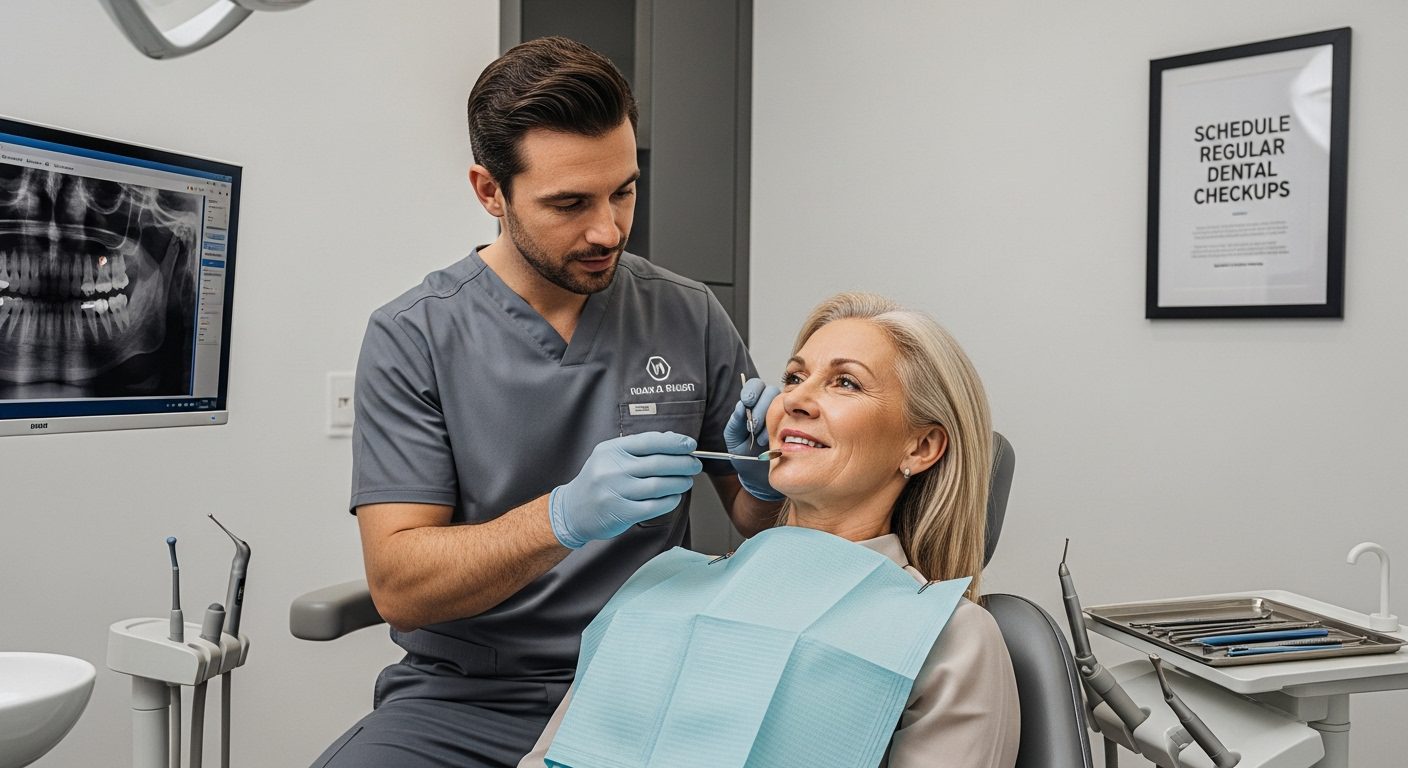
Routine dental visits are essential for monitoring the condition of a zirconia bridge and ensuring long-term oral health. During these appointments, the dentist will check for any issues related to the bridge, surrounding natural teeth, and gum tissue.
Key reasons for regular check-ups include:
- Ensuring the zirconia bridge remains securely in place.
- Checking for signs of wear, plaque buildup, or gum inflammation.
- Professional cleaning to maintain a polished surface and prevent staining.
- Early detection of any potential dental issues related to the restoration.
Scheduling check-ups at least twice a year helps protect both the zirconia bridge and overall dental health, ensuring long-lasting results.
Choosing a Dental Professional for Zirconia Bridges
Finding a Qualified Dentist
electing the right dental professional for a zirconia restoration is crucial to achieving the best results. Patients should seek out a cosmetic dentist or periodontists with experience in implant bridges and zirconia restorations.
Factors to consider when choosing a dentist include:
- Experience in full arch restorations and tooth replacement solutions.
- Use of advanced dental materials like zirconium oxide.
- Patient reviews and before-and-after case studies.
- Availability of modern technology for precise zirconia bridge fabrication.
A skilled dentist ensures that the bridge fits comfortably, functions properly, and provides the desired aesthetic result.
Discussing Options and Expectations
Before undergoing treatment, it’s important to have a detailed discussion with a dental professional about expectations, treatment plans, and long-term results.
During the consultation, patients should:
- Ask about the advantages of zirconia bridges compared to traditional bridges or metal bridges.
- Discuss the cost and available financing options.
- Understand the durability and longevity of zirconia restorations.
- Clarify post-procedure care and maintenance requirements.
Clear communication with the dentist ensures that patients are well-informed and confident in their decision to choose a zirconia bridge for their tooth replacement needs.
Patient Experience with Zirconia Bridges
Testimonials and Success Stories
Many patients who choose a zirconia bridge report significant improvements in both aesthetics and function. Unlike traditional bridges or metal bridges, zirconia offers a natural-looking smile with exceptional strength and durability.
Patients frequently highlight benefits such as:
- A comfortable fit that feels like natural teeth.
- A polished surface that remains stain-resistant over time.
- The ability to eat, speak, and smile confidently without discomfort.
- No sensitivity issues often associated with metal restorations.
Real-life success stories reinforce why zirconia bridges are a top choice for tooth replacement solutions, especially for those seeking durability and longevity.
Common Concerns and Misconceptions
Despite the many advantages of zirconia bridges, some misconceptions exist. Addressing these concerns helps patients make informed decisions about their restoration options.
Common misconceptions about zirconia bridges:
- “Zirconia bridges are too expensive.” While the initial cost may be higher than some alternatives, their long-term value makes them more cost-effective.
- “Zirconia is not as natural-looking as porcelain.” In reality, zirconia is highly customizable and offers a natural appearance with excellent aesthetics.
- “Zirconia bridges are prone to breaking.” Unlike porcelain bridges, zirconia is highly resistant to fractures and provides long-lasting durability.
Understanding the strength, biocompatibility, and aesthetics of zirconia bridges helps patients feel more confident in their choice.
Conclusion
Recap of Benefits and Considerations
Choosing a zirconia bridge offers numerous advantages, including exceptional strength, natural aesthetics, and long-term durability. Compared to traditional dentures, metal bridges, and porcelain restorations, zirconia provides a superior tooth replacement solution.
Key benefits include:
- Highly durable material that resists wear and damage.
- Biocompatible and safe for all patients.
- Stain-resistant and polished surface for long-term aesthetics.
- Ideal for implant bridges and full arch restorations.
With proper dental care and regular check-ups, a zirconia bridge can provide a confident smile that lasts for years.
Encouragement for Those Considering Zirconia Bridges
For individuals considering a zirconia restoration, consulting with a cosmetic dentist is the best way to determine if this tooth replacement option is right for them. By discussing treatment plans, cost, and maintenance, patients can make an informed decision about their dental health.
A zirconia bridge is more than just a restoration—it’s a long-term investment in a stronger, healthier, and more beautiful smile.
More Posts
.jpg)
Understanding All on 4 Cost Factors for Dental Implants
.jpg)
7 Key Advantages of Dental Implants for Your Smile