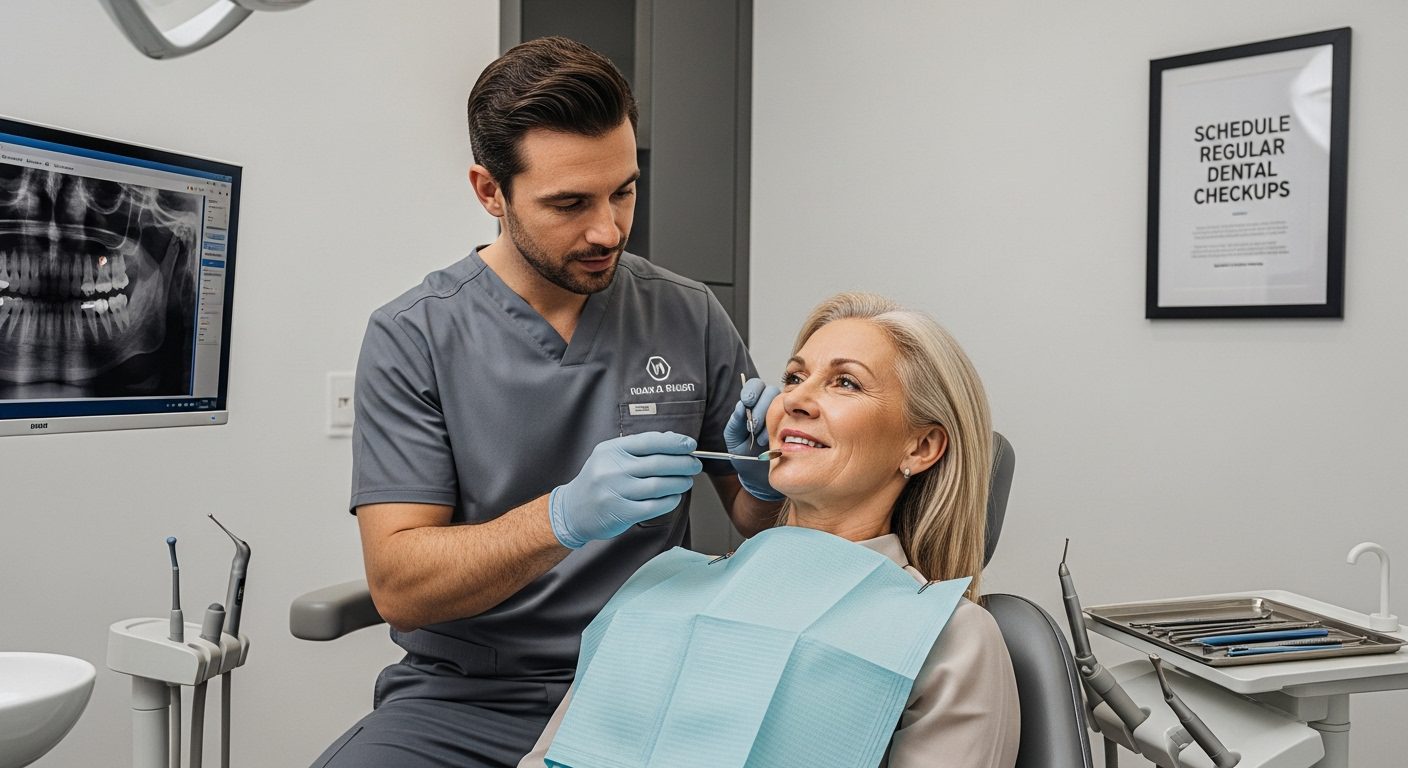
How to Clean All On 4 Dental Implants?
January 25, 2025


Maintaining proper cleaning and care for All-on-4 dental implants is essential for their longevity and your overall oral health. Unlike natural teeth, these artificial teeth require a dedicated cleaning routine to prevent plaque buildup, bacteria, and other complications. This guide covers everything you need to know about keeping your All-on-4 implants in excellent condition, ensuring a healthy smile and long-lasting results.
Understanding All on 4 Dental Implants
All-on-4 dental implants are an innovative solution for replacing missing teeth. They are designed to restore both the function and aesthetics of your smile while offering durability and stability.
What Are All on 4 Dental Implants
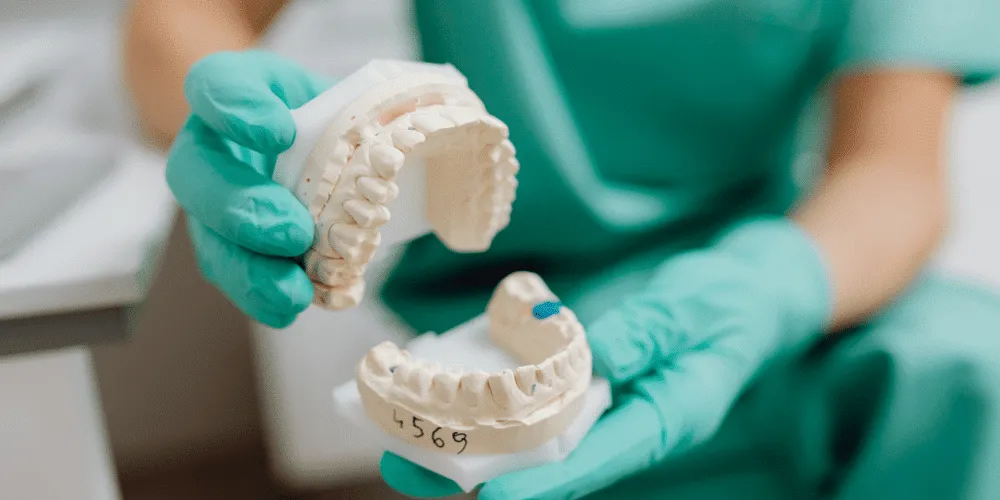
All-on-4 dental implants involve placing four strategically positioned implants in the jawbone to support a full-arch prosthesis. These implants serve as a foundation for artificial teeth, mimicking the appearance and function of natural teeth. Their unique design eliminates the need for individual implants for each missing tooth, making them a more efficient solution.
Benefits of All on 4 Dental Implants
All-on-4 dental implants offer numerous advantages, making them a popular choice for those with missing teeth:
- Improved Stability: The implants securely anchor the prosthesis, ensuring it stays in place during eating and speaking.
- Natural Aesthetics: Designed to mimic natural teeth, they blend seamlessly with your smile.
- Long-Lasting Results: With proper maintenance, All-on-4 implants can last for decades.
- Enhanced Oral Health: They help preserve the jawbone and prevent further bone loss.
These benefits highlight why All-on-4 dental implants are a transformative option for restoring your smile.
Importance of Proper Maintenance
Caring for your All-on-4 dental implants is crucial to ensure their longevity and functionality. Proper maintenance helps to:
- Prevent plaque buildup that can lead to gum disease.
- Avoid infections around the implant site.
- Protect the gum tissue and ensure the implants remain secure.
By adopting a consistent cleaning routine, you safeguard your oral health and the quality of your implants.
What is the best way to clean All-on-4 dental implants?
The best way to clean All-on-4 dental implants involves a combination of brushing, flossing, and using antimicrobial mouthwash. Each step is designed to remove plaque and bacteria while protecting the implants and surrounding gum tissue. Regular dental checkups also play an essential role in ensuring thorough cleaning and monitoring for potential issues.

Daily Cleaning Routine
A daily cleaning routine is essential for maintaining the health and longevity of your All-on-4 dental implants. Consistent care helps prevent plaque buildup, reduces the risk of gum disease, and keeps your smile looking its best.
Brushing Techniques
Proper brushing is a cornerstone of implant care. Follow these steps for effective cleaning:
- Use a soft-bristled toothbrush to avoid damaging the implant surface or gum tissue.
- Brush at a 45-degree angle to clean around the gum line.
- Spend at least two minutes brushing, covering all surfaces of the teeth and prosthesis.
- Use non-abrasive toothpaste to prevent scratching the implant material.
Gentle, thorough brushing ensures your implants and gums remain healthy.
Flossing Methods
Flossing helps remove debris and plaque from hard-to-reach areas around the implants. Techniques include:
- Use specialized implant floss or an interdental brush for effective cleaning between the prosthesis and gum line.
- Gently slide the floss under the bridge to clean around the implant posts.
- Avoid snapping the floss to protect the surrounding gum tissue.
Flossing daily ensures optimal oral hygiene and reduces the risk of complications.
Using Antimicrobial Mouthwash
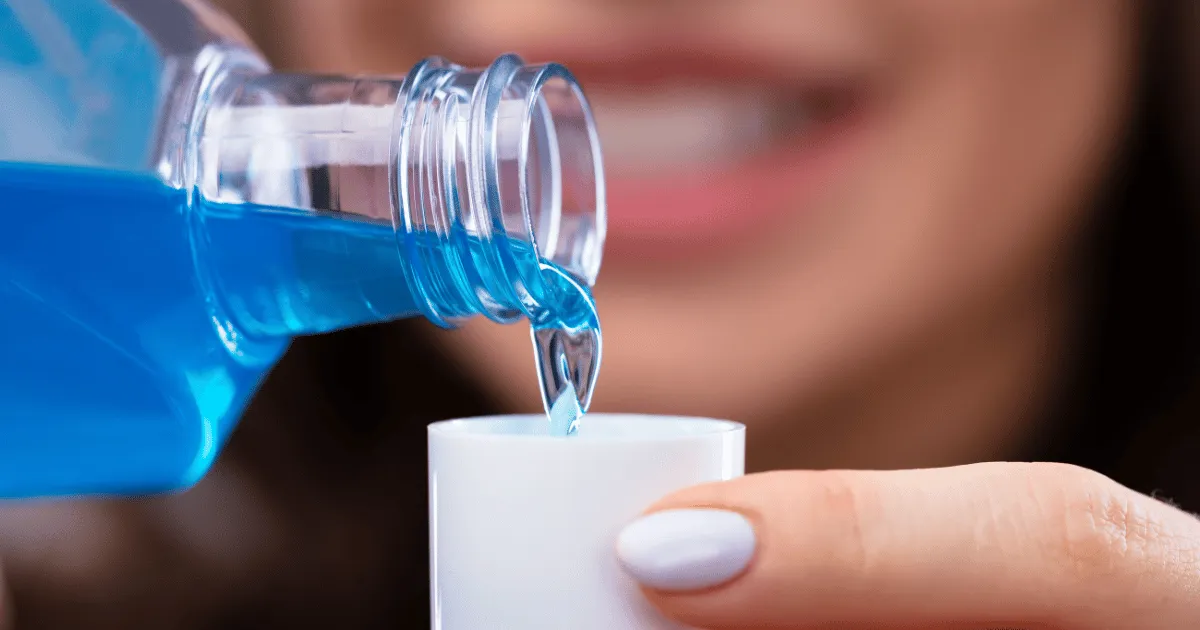
Incorporating an antimicrobial mouthwash into your routine helps reduce bacteria and maintain oral health. Key benefits include:
- Reducing plaque buildup around the implants.
- Keeping the gum tissue healthy and free from infection.
- Providing a fresh and clean feeling for your mouth.
Choose an alcohol-free mouthwash to avoid irritating the gum tissue and enhance your oral hygiene.
Do you brush All-on-4 dental implants?
Yes, brushing your All-on-4 dental implants is a critical part of their care. While they may be artificial teeth, they are susceptible to plaque and bacteria buildup. Regular brushing helps maintain the implants’ appearance and ensures a healthy environment for your gums and surrounding tissues.
Tools for Cleaning All on 4 Dental Implants
Using the right tools can make cleaning your All-on-4 dental implants more effective and protect the prosthesis from damage. Incorporate these tools into your routine for optimal care.

Soft-Bristled Toothbrush
A soft-bristled toothbrush is ideal for cleaning All-on-4 dental implants because it:
- Gently removes plaque and bacteria without scratching the implant surface.
- Protects the gum tissue from irritation or damage.
- Reaches around the implant bridge for thorough cleaning.
Using an electric toothbrush with soft bristles can enhance your routine by providing consistent, gentle cleaning.
Interdental Brushes
Interdental brushes are small, flexible tools designed to clean hard-to-reach areas around implants. Benefits include:
- Effectively removing debris from between the implants and gums.
- Reducing the risk of plaque buildup in tight spaces.
- Being easy to use, even for patients with limited dexterity.
These brushes are a great addition to your oral hygiene routine for precise cleaning.
Water Flossers
Water flossers are an excellent alternative to traditional floss for cleaning around All-on-4 dental implants. Their gentle water stream:
- Removes bacteria and debris from below the gum line.
- Reaches areas that are difficult to clean with regular floss.
- Is ideal for patients with sensitive gums or limited mobility.
A water flosser is a valuable tool for maintaining proper cleaning and protecting the longevity of your implants.
What happens if you don’t clean All-on-4 Teeth Implants?
Neglecting proper cleaning for your All-on-4 implants can lead to serious complications. Poor oral hygiene increases the risk of plaque buildup, infections, and gum disease, all of which can compromise the stability and longevity of your implants. Consistent care is crucial to avoid these issues and maintain your oral health.
Preventing Complications
Preventing complications starts with proactive oral hygiene and regular dental care. Proper maintenance ensures your implants remain functional and your gums stay healthy for years to come.
Signs of Infection
Infections around the implant site, known as peri-implantitis, can cause:
- Swelling or redness in the gums.
- Bleeding during brushing or flossing.
- Pain or tenderness near the implant.
If you notice these signs, consult your dentist immediately to address the issue before it worsens.
Handling Loose Implants
A loose implant is a serious concern that can result from poor oral hygiene or excessive pressure on the implant site. If you notice:
- A shifting sensation when eating or talking.
- Difficulty chewing on the implant side.
- Pain around the affected area.
Contact your dentist immediately for an evaluation. Timely intervention can prevent further complications and restore the stability of your implant.

Managing Gum Sensitivity
Gum sensitivity is a common issue during the early stages of implant healing. To manage this effectively:
- Use a soft-bristled toothbrush to avoid irritating the gums.
- Stick to lukewarm water and avoid hot or acidic foods.
- Consider using a desensitizing toothpaste recommended by your dentist.
Proper care and gentle techniques can alleviate discomfort and support the healing process.
What should I do if I experience sensitivity with my dental implants?
If you experience sensitivity with your dental implants, it’s essential to address the issue promptly. Sensitivity may result from gum irritation, plaque buildup, or other underlying concerns. Follow these steps:
- Use a water flosser or interdental brush for gentle cleaning.
- Avoid hard or sticky foods that may strain the implant site.
- Schedule an appointment with your dentist for a thorough checkup.
Professional guidance ensures any discomfort is resolved and your implants remain in excellent condition.
Is it necessary to have regular dental checkups if I have dental implants?
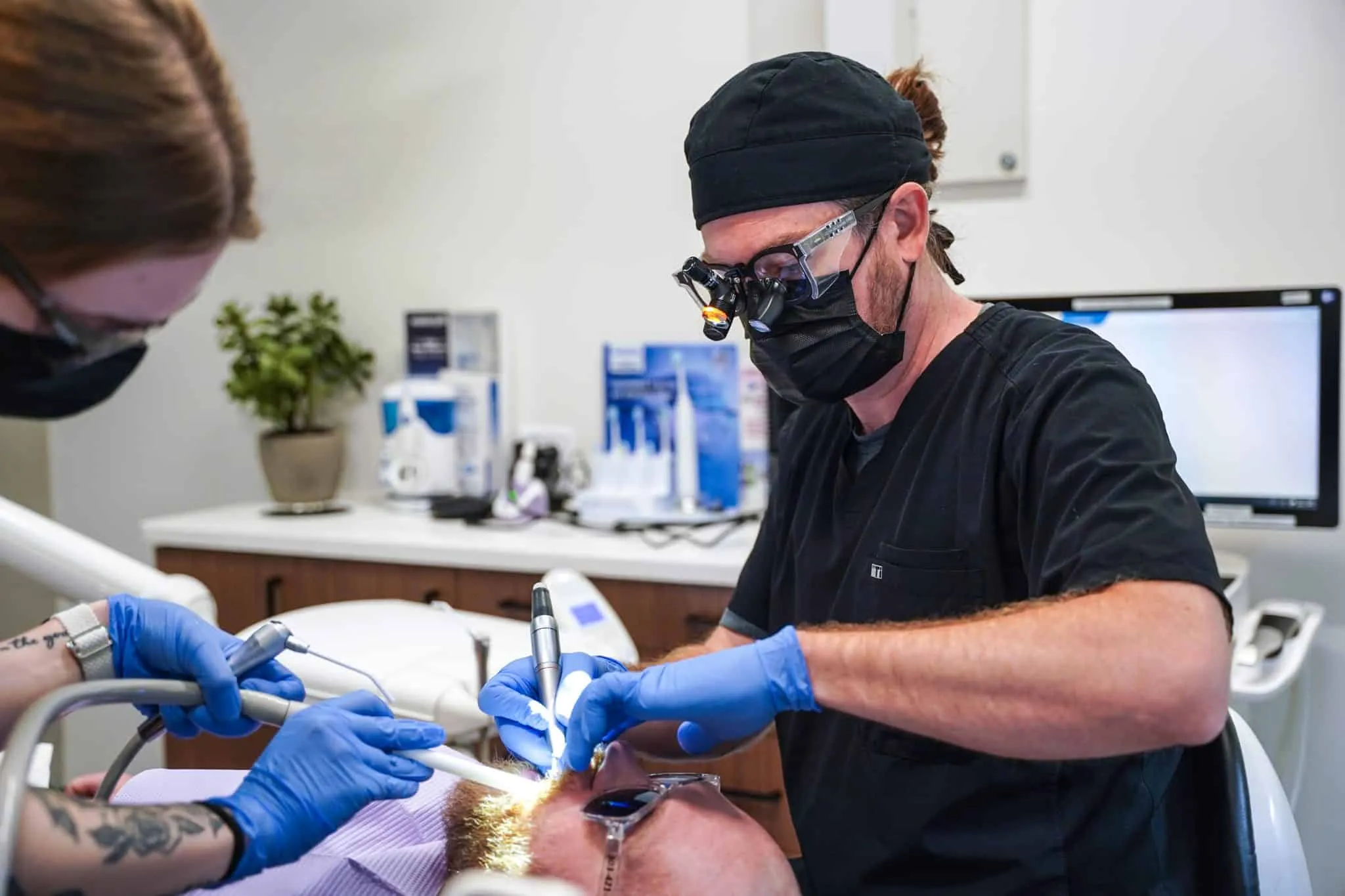
Yes, regular dental checkups are essential even if you have dental implants. While implants are durable and resistant to decay, the surrounding gum tissue and bone require ongoing care to ensure long-term success. Routine checkups allow your dentist to:
- Monitor the health of your gum tissue and implant stability.
- Perform professional cleanings to remove plaque buildup in hard-to-reach areas.
- Identify and address potential issues, such as infections or loose implants, early on.
These visits are vital for maintaining both your implants and overall oral health.
Long-Term Care for All on 4 Dental Implants
Caring for your implants doesn’t stop after the initial healing phase. Long-term maintenance is key to ensuring their durability and functionality.
Professional Cleanings
Regular professional cleanings are crucial for removing plaque and bacteria that accumulate around the implants. Your dentist or hygienist uses specialized tools to clean beneath the prosthesis and along the gum line, helping to prevent infections and gum disease. Schedule cleanings every six months or as recommended.
X-rays and Monitoring
Routine X-rays allow your dentist to monitor the health of the bone surrounding your implants. This helps detect any potential issues, such as bone loss or improper healing, that may not be visible during a standard exam. Regular monitoring ensures that your implants remain secure and functional over time.
Diet and Lifestyle Choices
Your diet and lifestyle play a significant role in the longevity of your All-on-4 dental implants. Consider the following tips:
- Avoid hard or sticky foods that could damage the prosthesis or strain the implants.
- Limit the consumption of sugary drinks to prevent gum irritation.
- Incorporate a balanced diet rich in vitamins and minerals to support oral health and overall healing.
Healthy habits contribute to the durability and performance of your implants.
Special Considerations for All on 4 Dental Implants
While All-on-4 dental implants are durable, they require special care to maintain their function and aesthetics. Being mindful of certain habits and practices can ensure the implants remain in excellent condition for years.
Avoiding Harmful Habits
To protect your All-on-4 dental implants, it’s essential to avoid habits that can compromise their stability or cause damage:
- Do not use your teeth to open packages or bite down on hard objects like pens.
- Avoid chewing on ice, hard candy, or nuts to prevent stress on the implants.
- Quit smoking, as it can delay healing and increase the risk of implant failure.
Breaking these habits ensures the longevity of your implants and supports overall oral health.
Regular Dental Check-ups
Consistent dental check-ups are critical for ensuring your implants remain in excellent condition. During these visits, your dentist will:
- Examine the implants and surrounding gum tissue for signs of infection or wear.
- Perform deep cleanings to remove plaque and bacteria.
- Address any concerns, such as gum sensitivity or loose components, promptly.
Scheduling regular check-ups is a simple yet effective way to maintain your implants.
Dealing with Discomfort
If you experience discomfort with your All-on-4 dental implants, it’s essential to address it early to prevent complications. Steps to alleviate discomfort include:
- Using desensitizing products as recommended by your dentist.
- Applying cold compresses for temporary relief from swelling or irritation.
- Consulting your dental professional if the discomfort persists to rule out infection or implant issues.
Proactive care ensures your implants stay comfortable and functional.
Additional Tips for Optimal Oral Health
Maintaining excellent oral health is crucial for the success of your All-on-4 dental implants. Incorporating small yet impactful habits into your daily routine can make a big difference in your overall dental health.
Proper Nutrition for Implant Health
Nutrition plays a vital role in the longevity of your dental implants. Focus on:
- Calcium-rich foods like dairy products to strengthen your jawbone and teeth.
- Fruits and vegetables for essential vitamins and antioxidants that promote gum health.
- Protein-rich foods such as fish, lean meats, and beans to support tissue repair.
A balanced diet supports healing and ensures your implants remain strong and secure.
Importance of Hydration
Staying hydrated is essential for maintaining a healthy mouth and preventing complications with your implants. Benefits of hydration include:
- Reducing the risk of dry mouth, which can lead to bacteria buildup.
- Keeping your gums moist and healthy.
- Supporting overall healing and tissue repair.
Drink plenty of water throughout the day to maintain your oral and overall health.
Stress Management Techniques
Stress can affect your overall health and even your oral health. Chronic stress may lead to habits like teeth grinding, which can strain your All-on-4 implants. To manage stress effectively:
- Practice mindfulness or meditation to relax your body and mind.
- Engage in regular physical activity to release tension.
- Consider wearing a nightguard if you grind your teeth at night, as recommended by your dentist.
Reducing stress helps protect your implants and promotes a healthy smile.
Common Mistakes to Avoid
Avoiding certain mistakes is key to ensuring the longevity and performance of your All-on-4 dental implants.

Using Harsh Cleaning Products
Harsh cleaning products, such as abrasive toothpaste or overly stiff toothbrushes, can damage the surface of your implants and irritate the gums. Always use:
- Non-abrasive toothpaste specifically designed for implants.
- Soft-bristled toothbrushes to protect the implant surfaces and gum tissue.
Neglecting Regular Maintenance
Skipping daily cleaning or dental checkups can lead to plaque buildup, infections, and implant failure. Maintain a consistent oral hygiene routine and visit your dentist regularly to prevent complications.
Ignoring Warning Signs
Never ignore signs like bleeding gums, swelling, or discomfort around the implant site. These could indicate early signs of infection or implant issues. Addressing these concerns promptly ensures your implants remain healthy.
Importance of Consistent Care
Consistent care, including brushing, flossing, and regular dental visits, is essential for maintaining the function and aesthetics of your implants. It prevents plaque buildup, supports gum health, and prolongs the life of your implants.
Benefits of Healthy Implants
Healthy implants contribute to:
- A beautiful smile that boosts your confidence.
- Proper function and aesthetics for eating and speaking comfortably.
- Improved oral health by preserving your jawbone and gum tissue.
Ensuring Longevity of All on 4 Dental Implants
With proper care and maintenance, your All-on-4 dental implants can last for decades. Follow these key practices:
- Adhere to your daily cleaning routine.
- Avoid harmful habits like smoking or chewing hard objects.
- Prioritize regular dental checkups and professional cleanings.
By committing to these habits, you can enjoy a healthy, functional smile for years to come.
More Posts
.jpg)
Understanding All on 4 Cost Factors for Dental Implants
.jpg)
7 Key Advantages of Dental Implants for Your Smile