Understanding Why Holistic Dental Care Matters
September 15, 2025

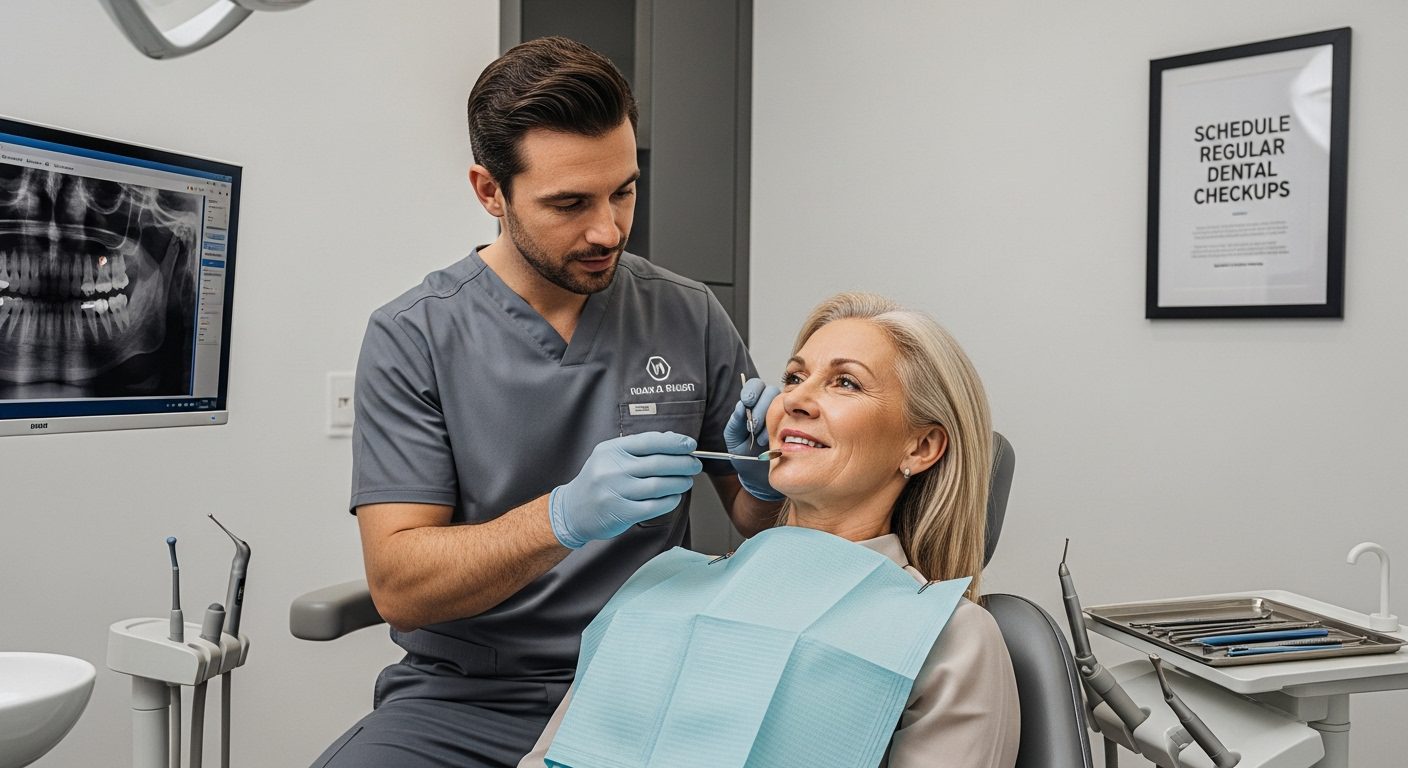
Holistic dental care is changing the way people think about oral health. Studies show that oral inflammation impacts not just your gums but serious conditions like heart disease and diabetes. Most folks assume a dentist only fixes teeth and sends you home with a new toothbrush. Actually, holistic dentistry looks at your entire well-being. Your mouth may be the key to uncovering hidden problems in the rest of your body.
Quick Summary
| Takeaway | Explanation |
|---|---|
| Holistic care connects dental health and overall wellness. | Oral health significantly impacts systemic conditions, emphasizing integrated care approaches. |
| Personalized treatment plans address individual needs. | Holistic dentists customize care based on each patient’s unique health factors and lifestyle. |
| Prevention is prioritized over reactive treatments. | Holistic dental practices focus on proactive strategies to maintain oral and overall health, reducing future complications. |
| Biocompatible materials minimize health risks. | Holistic dentistry favors materials that are safe for the body, avoiding harmful substances in treatments. |
| Collaborative care benefits overall health management. | Holistic practices often involve teamwork with other health professionals to address root health issues comprehensively. |
What is Holistic Dental Care?
Holistic dental care represents a comprehensive approach to oral health that transcends traditional dental treatments. Unlike conventional dentistry that primarily focuses on treating specific dental issues, holistic dental care views oral health as an integral part of overall physical and emotional wellness.
The Foundational Principles of Holistic Dentistry
At its core, holistic dental care considers the interconnected relationship between oral health and systemic well-being. Scientific research from the National Institutes of Health demonstrates that oral inflammation and infections can significantly impact broader health conditions, including:
- Cardiovascular disease
- Diabetes
- Adverse pregnancy outcomes
- Potential systemic inflammatory responses
Holistic dentists approach patient care by examining how dental treatments and materials interact with the entire body, prioritizing minimally invasive techniques and biocompatible solutions that support overall health.
A Comprehensive Health Perspective
Holistic dental practitioners integrate multiple dimensions of patient wellness into their treatment strategies. This approach involves considering factors beyond teeth and gums, such as:
- Nutritional health and dietary impacts
- Stress levels and emotional well-being
- Lifestyle factors affecting oral and systemic health
- Individual genetic predispositions
- Environmental influences on oral health
By adopting a more expansive view, holistic dentistry aims to prevent dental issues while simultaneously supporting the patient’s broader health goals. Practitioners often collaborate with other healthcare professionals to develop integrated treatment plans that address root causes rather than merely treating symptoms.
The fundamental philosophy of holistic dental care is that oral health is a window into overall bodily health.
The following table organizes key concepts and features of holistic dental care and explains how each impacts patient wellness and treatment philosophy.
| Key Concept | Description | Impact on Care |
|---|---|---|
| Biocompatible Materials | Use of materials that are non-toxic and compatible with the body | Reduces risk of adverse reactions and inflammation |
| Prevention Focus | Emphasis on early intervention and health maintenance | Lowers likelihood of future oral and systemic issues |
| Personalized Patient Assessment | Considers individual medical history, nutrition, and lifestyle | Delivers highly tailored care plans |
| Root Cause Analysis | Addresses underlying causes rather than just symptoms | Improves long-term health outcomes |
| Integrated Healthcare | Coordinates with medical and wellness professionals | Supports overall well-being beyond dental care |
| Minimally Invasive Treatments | Prioritizes conservative treatment techniques | Preserves natural tooth structure and reduces harm |

Each dental intervention is carefully considered not just for its immediate dental outcome, but for its potential long-term impact on the patient’s total physiological and psychological well-being.
The Importance of Holistic Approaches in Dentistry
Holistic dental approaches have emerged as a transformative paradigm in modern healthcare, recognizing that oral health is deeply interconnected with overall physiological and psychological well-being. By moving beyond traditional treatment models, holistic dentistry offers a more comprehensive and patient-centered approach to dental care.
Comprehensive Health Connections
Research from the Academy of General Dentistry reveals that holistic dentistry is fundamentally about understanding the intricate relationships between oral health and systemic conditions. This approach goes far beyond treating isolated dental problems, instead focusing on identifying and addressing the underlying factors that contribute to oral and overall health.
The critical aspects of this comprehensive approach include:
- Recognizing oral health as a critical indicator of overall bodily wellness
- Understanding the bidirectional relationship between dental and systemic health
- Examining how lifestyle, nutrition, and environmental factors impact oral conditions
Preventative and Integrative Treatment Strategies
Holistic dental care prioritizes prevention and minimally invasive interventions. Unlike traditional dentistry that often focuses on reactive treatments, holistic practitioners develop proactive strategies that aim to:
- Strengthen the body’s natural healing mechanisms
- Minimize potential negative impacts of dental treatments
- Support long-term health and wellness through personalized care plans
- Utilize biocompatible materials that reduce potential systemic risks
By integrating advanced medical knowledge with a patient-centered approach, holistic dentistry represents a more enlightened and comprehensive model of healthcare. Practitioners in this field view each patient as a unique individual, considering not just their dental symptoms but their entire physical, emotional, and environmental context.
This approach ultimately empowers patients to take a more active role in their health, understanding that optimal wellness requires a holistic, interconnected view of the human body. Holistic dentistry bridges the gap between traditional dental care and a more nuanced, comprehensive understanding of health and healing.
How Holistic Dental Care Works: Principles and Practices
Holistic dental care represents a sophisticated and nuanced approach to oral health that integrates advanced medical understanding with comprehensive patient care. By viewing oral health as an essential component of overall wellness, holistic dentistry transforms traditional treatment paradigms.
Foundational Assessment and Diagnostic Approaches
Research from biomedical publications reveals that holistic dental practitioners employ comprehensive diagnostic techniques that extend far beyond conventional dental examinations. These practitioners conduct thorough assessments that consider multiple interconnected health factors:
- Comprehensive medical history analysis
- Evaluation of nutritional status and dietary patterns
- Assessment of environmental and lifestyle influences
- Detailed examination of systemic health indicators
- Genetic predisposition and family health background
The diagnostic process aims to uncover underlying conditions that might manifest through oral symptoms, enabling a more proactive and preventative approach to dental and overall health management.
Treatment Strategies and Biocompatible Interventions
Holistic dental care distinguishes itself through its commitment to minimally invasive and patient-centered treatment methodologies. Key principles guiding these interventions include:
- Utilizing biocompatible materials that minimize potential systemic reactions
- Prioritizing preservation of natural tooth structure
- Implementing treatments that support the body’s inherent healing mechanisms
- Avoiding potentially harmful substances like mercury-based amalgams
- Designing personalized treatment plans that address individual health contexts
Practitioners in this field view each dental intervention as an opportunity to support overall health, carefully selecting materials and techniques that promote long-term wellness. By integrating advanced medical knowledge with a holistic perspective, these dental professionals offer a more sophisticated and comprehensive approach to oral healthcare that transcends traditional treatment models.
Key Concepts of Holistic Dental Care and Their Impact
Holistic dental care represents a revolutionary approach to oral health that transcends traditional treatment models, emphasizing the intricate connections between dental wellness and overall physiological functioning. By integrating comprehensive health perspectives, this approach fundamentally transforms our understanding of dental care.
Interconnected Health Paradigms
Research from the National Institutes of Health reveals that holistic dental care operates on fundamental principles that recognize the profound relationship between oral health and systemic wellness. These interconnected health paradigms challenge conventional medical thinking by demonstrating how dental conditions can significantly impact broader health outcomes.
Key aspects of this interconnected approach include:
- Understanding oral health as a critical indicator of systemic wellness
- Recognizing bidirectional relationships between dental and overall health
- Identifying potential inflammatory responses originating from dental conditions
- Examining how oral microbiome influences broader physiological systems
Comprehensive Patient-Centered Strategies
Holistic dental care distinguishes itself through deeply personalized and preventative strategies that go beyond traditional treatment models. These strategies focus on:
- Individual risk assessment and comprehensive health profiling
- Emphasis on preventive care and lifestyle interventions
- Utilization of biocompatible materials that minimize systemic risks
- Addressing root causes rather than merely treating symptoms
- Integrating nutritional and environmental health considerations
By adopting a more expansive view of health, holistic dental practitioners aim to empower patients with comprehensive understanding and proactive health management strategies. This approach transforms dental care from a reactive medical intervention to a proactive wellness strategy, ultimately supporting patients in achieving optimal health through integrated, thoughtful care.
Real-World Benefits of Choosing Holistic Dental Care
Holistic dental care transcends traditional treatment models by offering patients a comprehensive approach to oral and overall health. By integrating advanced medical understanding with personalized care strategies, this approach delivers tangible benefits that extend far beyond conventional dental treatments.
Enhanced Health Outcomes and Prevention
Research from comprehensive health studies demonstrates that holistic dental care provides significant real-world advantages for patients seeking proactive health management. These benefits are rooted in a comprehensive understanding of the intricate connections between oral health and systemic wellness.
Key health outcomes associated with holistic dental approaches include:
- Reduced risk of chronic inflammatory conditions
- Improved early detection of potential systemic health issues
- Enhanced understanding of personal health interconnections
- More comprehensive preventative health strategies
- Minimized long-term healthcare complications
Personalized and Patient-Centered Care Model
Holistic dental care represents a revolutionary approach to healthcare that prioritizes individual patient needs. This model distinguishes itself through several transformative characteristics:
- Comprehensive health assessments beyond traditional dental examinations
- Customized treatment plans addressing individual physiological contexts
- Integration of lifestyle, nutritional, and environmental health factors
- Emphasis on patient education and empowerment
- Utilization of biocompatible materials and minimally invasive techniques
By adopting a more nuanced and patient-centered approach, holistic dental practitioners provide care that goes beyond treating symptoms.

They focus on understanding and addressing the root causes of health challenges, ultimately supporting patients in achieving optimal wellness through integrated, thoughtful, and personalized healthcare strategies.
Experience True Wellness with Holistic Dental Care at Arvada Dental Center
Do you worry about how dental treatments might affect your overall health? The article you just read highlights how traditional dentistry often misses the bigger picture—how your oral health connects to your body’s well-being. You deserve an approach that looks deeper. Holistic dental care focuses on prevention, biocompatible solutions, and treatments that protect not just your smile but your total health. At Arvada Dental Center, we turn these principles into reality for every patient in Arvada and the Denver metro area.
.jpg)
If you want dental care that aligns with your whole-body wellness goals, do not wait. Explore how our services—ranging from dental implants to full arch restorations—can support both your oral and overall health. Visit Arvada Dental Center now to ask questions or book your consultation. Your healthiest future starts with the next step.
Frequently Asked Questions
What is holistic dental care?
Holistic dental care is an approach to oral health that considers the interconnectedness of oral health with overall physical and emotional wellness, focusing on prevention and the long-term impact of dental treatments on the body.
How does holistic dentistry differ from traditional dentistry?
Holistic dentistry emphasizes preventive care, minimally invasive treatments, and the use of biocompatible materials, whereas traditional dentistry often focuses on treating specific dental issues without considering their broader health implications.
To help clarify the distinctions between holistic and traditional dentistry, the following table compares their core philosophies, approaches, and treatment priorities.
| Aspect | Holistic Dentistry | Traditional Dentistry |
|---|---|---|
| Core Philosophy | Integrates oral and overall systemic health | Focuses on treating isolated dental issues |
| Treatment Approach | Personalized, preventative, minimally invasive | Often reactive, symptom-based |
| Materials Used | Biocompatible, non-toxic, avoids mercury | May use amalgam and conventional materials |
| Role of Nutrition & Lifestyle | Assesses and incorporates into care plans | Typically not addressed |
| Collaboration with Other Providers | Frequent interdisciplinary collaboration | Rarely integrates with other health fields |
| Patient Assessment Scope | Considers whole-body health and history | Primarily dental and oral examination |
| Goal | Address root causes and support total wellness | Resolve immediate dental issues |
Why is prevention important in holistic dental care?
Prevention in holistic dental care is crucial because it seeks to identify and address root causes of dental issues, helping to reduce the risk of chronic conditions and promoting overall health rather than just treating symptoms as they arise.
What role do nutrition and lifestyle play in holistic dental care?
Nutrition and lifestyle factors are significant in holistic dental care as they influence oral and systemic health. Holistic dentists assess these factors to provide personalized care plans that support both dental wellness and overall health.
Recommended
More Posts
.jpg)
Understanding All on 4 Cost Factors for Dental Implants
.jpg)
7 Key Advantages of Dental Implants for Your Smile