Steps to Take When You Lose a Dental Implant or Crown
March 31, 2025

Stay Calm and Assess the Situation
Losing a dental implant or crown can feel alarming, but it’s important not to panic. Whether it happens during a meal or while brushing your teeth, remaining calm allows you to make smarter decisions and avoid unnecessary complications.
Your next steps depend on the severity of the situation and how much damage, if any, has occurred in your mouth or to the implant crown or post.
Evaluate the severity of the issue
Begin by examining the area. Is the implant post still in place, or has the entire dental implant come out? If it’s a crown that has fallen off, inspect it for cracks or visible damage. Check for bleeding, swelling, or pain, which may indicate trauma to the gum line or surrounding tooth.
If you’re unsure, snap a photo and take notes to share during your dental appointment—this will help your dentist determine the appropriate next steps.
Locate the Missing Implant or Crown
Finding the missing piece—whether it’s a crown, post, or full implant restoration—can help with both diagnosis and possible reattachment. Safely storing the item can prevent further damage and potentially reduce the cost or complexity of your repair.
Tips on finding a lost dental implant or crown
If your crown or implant post fell out while eating, check your food or nearby surfaces. In some cases, the crown may still be intact and reusable. Rinse it gently with water—do not scrub it with toothpaste—and place it in a clean container or plastic bag.
Avoid attempting to reattach the restoration yourself. Bringing it to your dentist will help them determine if it can be salvaged or if a full replacement is needed.
Contact Your Dentist Immediately
Even if you’re not experiencing pain, a dislodged dental implant or crown should be treated as a dental emergency. Waiting too long can increase the risk of further damage to the tooth, surrounding gums, or jawbone.
Calling your dental office as soon as possible ensures that you’ll receive timely care—and may even preserve the original restoration.
Importance of seeking professional help
Prompt treatment can prevent long-term complications like implant failure, bone loss, or the need for more invasive procedures. Your dentist will assess the area, determine the cause (e.g., wear, trauma, or gum disease), and recommend a solution.
Don’t wait for your next routine appointment—this situation calls for an emergency appointment, especially if you’re experiencing swelling, bleeding, or exposed titanium or tooth structures.
Protect Your Mouth from Further Damage
After a dental implant or crown falls out, the exposed area in your mouth becomes more vulnerable to irritation, bacteria, and injury. Until you see your dentist, it’s important to take steps to protect the affected tooth and surrounding tissue.
Tips on preventing additional harm
- Avoid chewing on the affected side of your mouth
- Stick to soft foods and avoid sticky or crunchy items
- Rinse gently with warm salt water to keep the area clean
- If there’s discomfort, over-the-counter pain relievers may help temporarily
Most importantly, don’t try to glue or reattach the crown or implant yourself—this can cause more damage and complicate your restoration later.
Consider Emergency Dental Care
Sometimes, waiting for a regular dental appointment just isn’t an option. If you’re dealing with significant pain, bleeding, or a visible implant post protruding from the gum line, seeking urgent treatment is critical to prevent infection or worsening damage.
Options for urgent treatment
If your regular dentist is unavailable, look for an emergency dentist in your area. These professionals can provide temporary relief or even start your implant restoration on the same day. Be sure to mention that you’re dealing with a potential dental emergency when you call to ensure prompt care.
In some cases, a temporary crown or cap can be placed until a permanent solution is ready. Acting fast may help preserve your tooth and reduce complications.
Discuss Replacement Options with Your Dentist
Once you’ve received initial treatment, your dentist will walk you through long-term restoration plans. Whether you’re dealing with a dislodged dental crown or a loose implant, several dental restoration options are available.
Exploring solutions with your dental provider
Common solutions include:
- Re-cementing the original crown (if it’s intact)
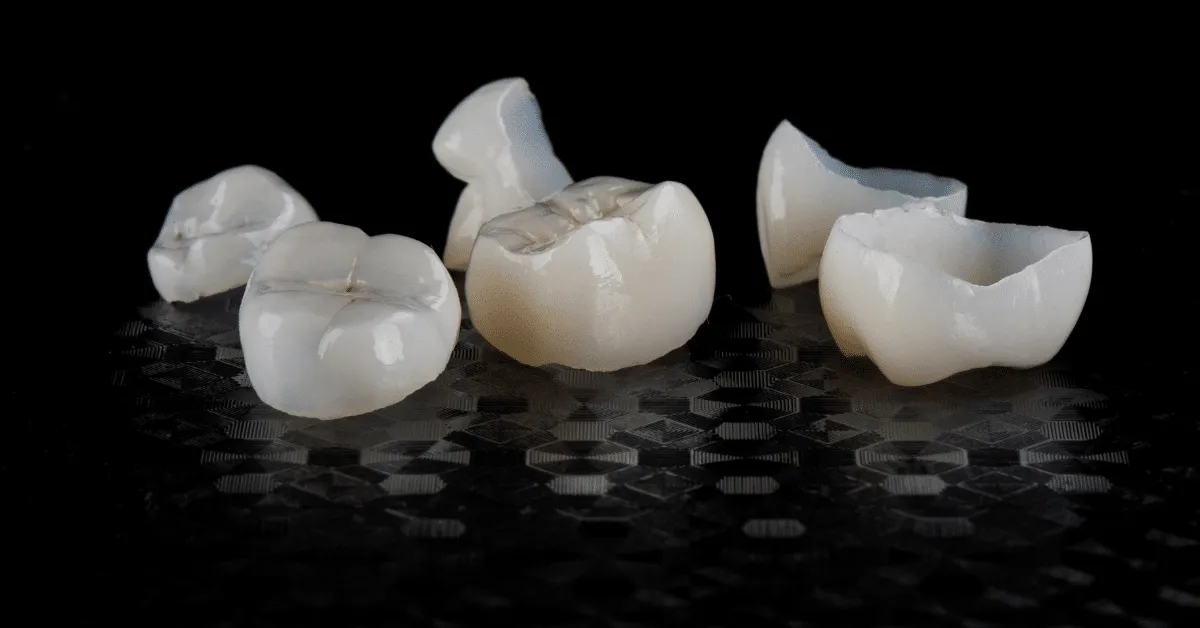
- Replacing the crown with a new porcelain or ceramic version
- Addressing implant failure with bone grafting and a new implant
- Using alternative dental services like dentures if the jawbone isn’t suitable for implants
Your dentist will evaluate factors like visible bone loss, condition of the implant post, and surrounding teeth before recommending a path forward.
Follow Aftercare Instructions Carefully
Proper aftercare ensures your new crown or implant heals correctly and avoids future problems. Follow your dentist’s directions closely, including dietary restrictions, oral care routines, and when to return for checkups.
Importance of post-treatment care
Post-care instructions may include:
- Avoiding hot, hard, or chewy foods for the first few days
- Gentle brushing around the treated area
- Using a special toothpaste for sensitive teeth, if needed
- Monitoring for signs of discomfort, swelling, or infection
Ignoring aftercare can put your new restoration at risk and delay healing.
Maintain Good Oral Hygiene
Long-term success starts with solid daily habits. Good oral hygiene can extend the life of your restoration, prevent future tooth loss, and support the overall health of your gums and jawbone.
Tips for keeping your mouth healthy post-incident
- Brush twice a day and floss carefully around the restored area
- Use a soft-bristled brush to avoid aggravating the gum line
- Visit your dentist regularly to monitor your implant or crown
Staying proactive with oral care protects both your natural teeth and any future dental restorations.
Schedule Regular Follow-Up Appointments
One of the best ways to protect your new dental restoration is by checking in with your dental office consistently. These follow-ups help catch early signs of loosens, wear, or potential failure.
Ensuring the long-term success of your dental restoration
Your dentist may schedule X-rays or exams to assess the jawbone, implant post, and fit of your crown. These visits are also a great time to ask questions, review your hygiene habits, and make sure everything is healing as expected.
More Posts
.jpg)
Understanding All on 4 Cost Factors for Dental Implants
.jpg)
7 Key Advantages of Dental Implants for Your Smile