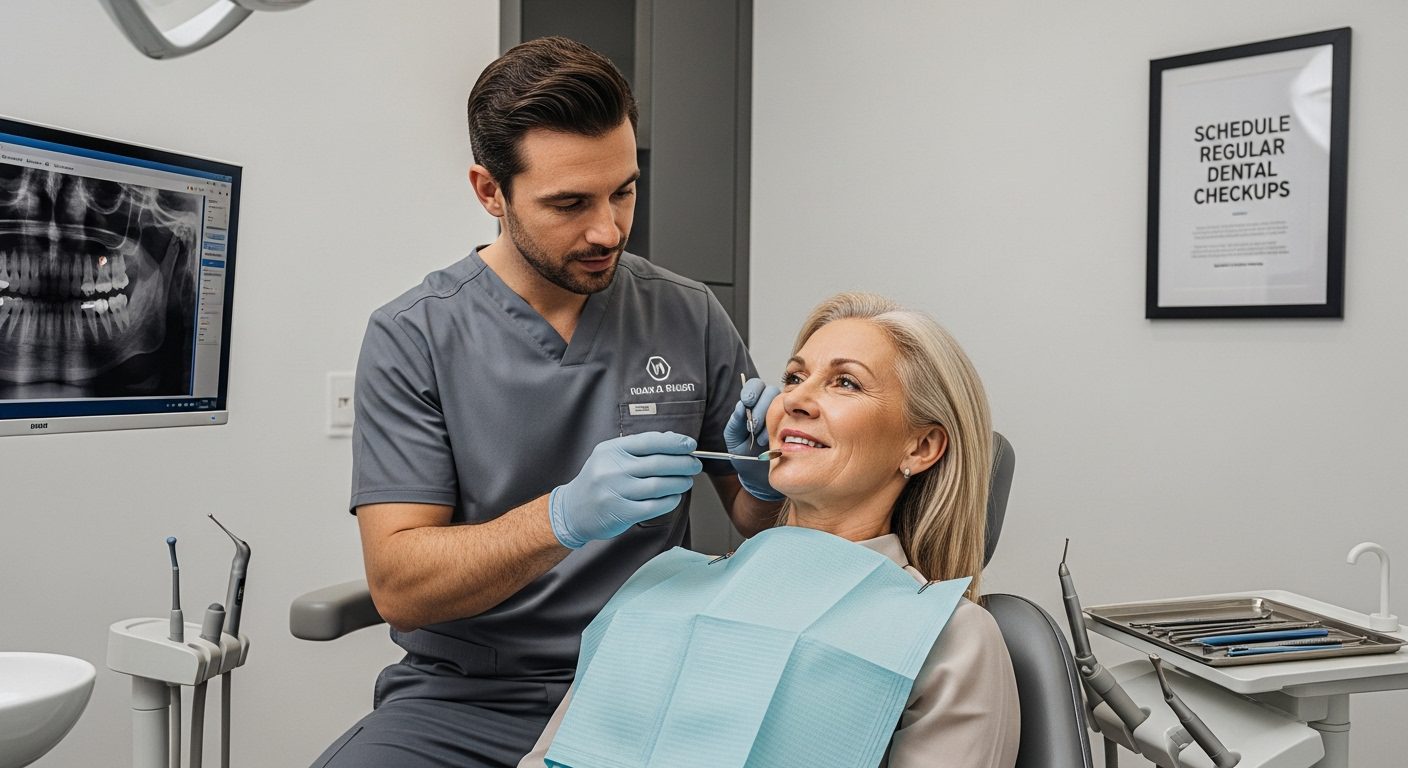
How to Finance Dental Implants: A Step-by-Step Guide
September 19, 2025


Dental implants might seem out of reach for many people, especially when you see that a single implant in Denver can cost anywhere from $1,500 to $6,000, and full mouth restorations can go up to $50,000. Sticker shock is real and plenty of folks just assume it’s impossible to afford. Oddly enough, most people never realize there are simple steps and strategies that can turn what looks like an overwhelming cost into a manageable monthly payment plan.
Quick Summary
| Key Point | Explanation |
|---|---|
| 1. Assess your financial situation first | Understand your income, expenses, and credit score to determine financing options effectively. |
| 2. Research dental implant costs thoroughly | Gather multiple quotes and understand the breakdown of costs to plan your budget accurately. |
| 3. Explore various financing options available | Consider dental-specific loans, in-house plans, and personal loans to manage costs effectively. |
| 4. Consult with your dentist about payments | Discuss tailored payment plans that fit your budget and treatment needs during your consultation. |
| 5. Review and verify financing details before treatment | Ensure clarity on costs, payment terms, and treatment logistics prior to scheduling your dental implant procedure. |
Step 1: Evaluate Your Financial Situation
Financing dental implants starts with an honest assessment of your current financial landscape. Before diving into specific payment strategies, you need a clear snapshot of your financial health and capacity to manage this significant investment in your oral wellness. This crucial first step determines the most suitable financing approach tailored to your unique economic circumstances.
Assessing Your Current Financial Picture
Begin by conducting a comprehensive review of your financial resources and obligations. Gather recent bank statements, pay stubs, tax returns, and a detailed list of monthly expenses. Calculate your total monthly income after taxes and subtract fixed expenses like rent or mortgage, utilities, insurance, and existing debt payments. What remains represents your discretionary income potentially available for dental implant financing.
Pay special attention to your credit score, as this will significantly influence your financing options. According to Experian’s Credit Score Guide, most dental financing programs require a credit score of 620 or higher for favorable terms. If your score falls below this threshold, consider strategies to improve your creditworthiness before applying for dental implant financing.
Your financial evaluation should also include a realistic assessment of how much you can comfortably allocate toward monthly dental implant payments. Financial experts recommend that medical or dental payment plans should not exceed 10-15% of your monthly discretionary income. This ensures you can manage the payments without causing undue financial strain. Create a preliminary budget that accounts for the potential dental implant expense while maintaining financial stability for other essential needs.
Exploring Initial Financing Preparedness
Before moving forward, compile a comprehensive list of potential financial resources. This might include:
- Personal savings
- Potential overtime or bonus income
- Flexibility in current household spending
- Potential support from family members
- Emergency fund availability
By thoroughly understanding your financial situation, you’re laying a solid foundation for making an informed decision about dental implant financing. The more precise and realistic your initial assessment, the smoother your subsequent financing journey will be.

Step 2: Research Dental Implant Costs in Denver
Navigating the landscape of dental implant pricing in Denver requires strategic research and a systematic approach. This step transforms your financial evaluation into concrete information about potential treatment costs, helping you make an informed decision about your dental health investment.
The Denver dental implant market offers varying price ranges depending on multiple factors. A single dental implant can range from $1,500 to $6,000, with full mouth restoration potentially reaching $20,000 to $50,000. Understanding these price variations becomes crucial in planning your financial strategy. According to Denver Health’s Financial Assistance Program, local residents might qualify for sliding scale pricing based on income and family size.
Investigating Comprehensive Cost Factors
Dental implant costs are not uniform and depend on several intricate components. Initial consultation fees typically range from $100 to $500 and often include diagnostic imaging like X-rays or 3D scans. The implant procedure itself involves multiple stages: surgical placement of the titanium post, potential bone grafting, abutment installation, and final crown placement. Each stage carries its own associated costs.
To conduct thorough research, schedule consultations with multiple Denver dental practices specializing in implants. During these consultations, request detailed treatment plans that break down every expense. Recommended research strategies include:
- Requesting itemized cost estimates
- Understanding the number of implants required
- Exploring different material options
- Discussing potential additional procedures like bone grafting
- Investigating warranty or guarantee terms
Don’t limit your research to pricing alone. Evaluate the dentist’s expertise, patient reviews, and before-and-after case studies. A slightly higher upfront cost might represent superior long-term value through better materials, more advanced techniques, and more experienced professionals.
By the end of this research phase, you should have a comprehensive understanding of dental implant costs in Denver, complete with multiple treatment quotes and a clear picture of the financial investment required for your specific dental needs.
Step 3: Explore Financing Options and Plans
With a clear understanding of dental implant costs, the next critical phase involves exploring financing strategies that transform your treatment from a distant dream to an achievable reality. Dental implant financing isn’t a one-size-fits-all solution but a personalized approach matching your financial profile and treatment needs.
Professional dental practices in Denver typically offer multiple financing pathways designed to make dental implants more accessible. Dental-specific financing programs like CareCredit or LendingClub provide specialized medical credit lines with structured repayment options. These programs often feature promotional periods with zero or low-interest rates, allowing you to spread the cost of treatment over 12 to 24 months without accumulating significant additional expenses.
Navigating Payment Alternatives
Beyond specialized medical credit, several financing strategies can help manage dental implant expenses. Personal loans from banks or credit unions frequently offer more competitive interest rates compared to traditional credit cards. According to Denver Health’s Financial Assistance Guidelines, some local healthcare providers also offer sliding scale payment options based on income and family size.
Consider these strategic financing approaches:
- In-house payment plans directly through dental practices
- Healthcare-specific credit cards with medical expense focus
- Personal bank loans with fixed interest rates
- Home equity lines of credit for larger treatment costs
- Health savings account (HSA) or flexible spending account (FSA) contributions
When evaluating financing options, carefully review the total cost of financing. A low monthly payment might seem attractive, but extended repayment terms can significantly increase the overall expense. Calculate the total amount you’ll pay, including interest, and compare different financing scenarios. Some dental practices offer discounts for upfront cash payments or comprehensive treatment packages, potentially reducing your overall investment.
Below is a comparison of different dental implant financing options discussed in the article, summarizing their key features, advantages, and considerations.
| Financing Option | Key Features | Main Advantage | Important Consideration |
|---|---|---|---|
| In-house Payment Plan | Direct payments to dental office; flexible | No credit check; patient-friendly | May require larger upfront payments |
| Healthcare Credit Card | Used for medical expenses; special promos | Fast approval; deferred interest | Retroactive interest if not paid |
| Personal Bank Loan | Fixed interest, set repayment term | Predictable payments | May impact debt-to-income ratio |
| Third-Party Medical Loan | Specialized for healthcare spending | Lower rates for good credit | Approval based on credit score |
| HSAs or FSAs | Pre-tax medical spending accounts | Tax savings; immediate funds | Must have enough annual balance |
Successful financing exploration means identifying a payment strategy that balances affordable monthly payments with minimal long-term financial strain. By the conclusion of this step, you should have 2-3 viable financing options with clear understanding of their terms, interest rates, and total repayment expectations.
Step 4: Consult with Your Dentist about Payment Plans
Transitioning from research to actionable planning, consulting directly with your dental provider about payment options becomes the pivotal moment in your dental implant financing journey. This step transforms theoretical financial strategies into concrete, personalized solutions tailored to your specific treatment needs and economic circumstances.
Schedule a comprehensive consultation specifically focused on financial arrangements. During this meeting, come prepared with your research, financial assessment, and a clear understanding of your budget constraints. Transparency is key – dentists appreciate patients who are upfront about their financial limitations and actively seek viable solutions. Many dental practices in Denver have dedicated financial coordinators who can help craft a customized payment strategy that aligns with your treatment requirements and economic capabilities.
Navigating Financial Conversations with Confidence
During your consultation, guide the conversation by asking strategic questions that reveal the full spectrum of payment possibilities. Inquire about in-house financing options, potential discounts for comprehensive treatment packages, and the flexibility of their payment plans. Some dental practices offer structured payment arrangements that can significantly reduce your immediate financial burden.
Key discussion points should include:
- Detailed breakdown of total treatment costs
- Available payment plan structures
- Potential volume discounts for multiple implants
- Accepted third-party financing options
- Possibilities for phased treatment to distribute expenses
- Any seasonal promotions or special financing offers
According to MouthHealthy.org, patients should approach these consultations as collaborations. Your dentist wants to help you achieve optimal oral health while ensuring the financial approach is sustainable for your individual situation. Some practices might offer creative solutions like staged treatments, allowing you to spread the financial investment across multiple appointments.
By the conclusion of this consultation, you should have a clear, written proposal outlining your specific treatment plan, associated costs, and a mutually agreed-upon payment strategy. This document serves as your financial roadmap, transforming dental implants from an overwhelming expense to a manageable, strategic investment in your long-term health and confidence.
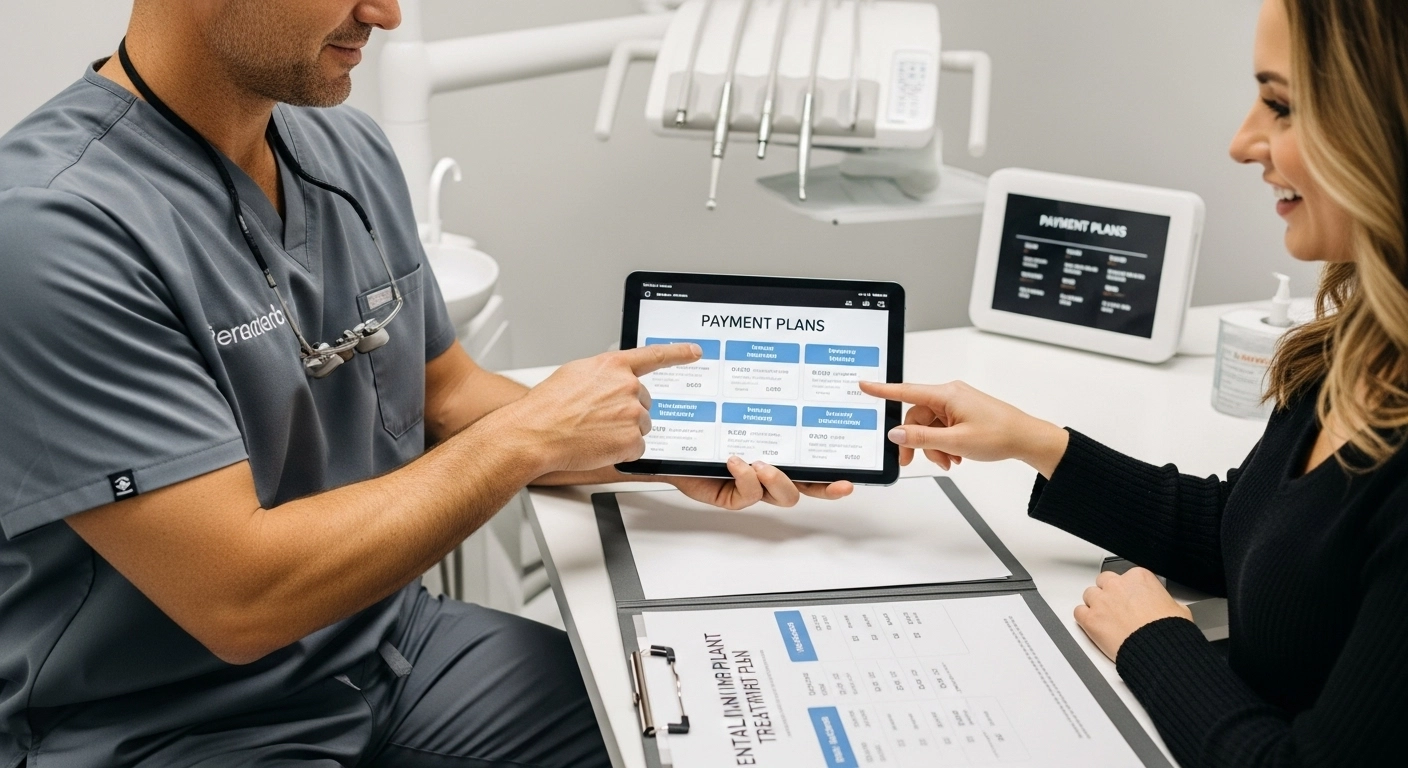
Step 5: Apply for Financing and Review Terms
With your financial groundwork carefully laid, the application process represents the critical junction where your dental implant plan transitions from conceptual to concrete. This step demands meticulous attention to detail and a strategic approach to selecting and securing the most appropriate financing option for your specific needs.
Begin by organizing all necessary documentation before initiating any financing applications. Prepare a comprehensive financial portfolio that includes recent pay stubs, tax returns, bank statements, credit history, and the detailed treatment plan from your dental consultation. Having these documents readily available streamlines the application process and demonstrates financial preparedness to potential lenders.
Navigating the Application and Approval Process
Carefully compare the financing options you’ve previously researched, paying close attention to interest rates, repayment terms, and potential penalties. Some dental-specific credit programs offer promotional periods with zero percent interest, which can provide significant savings if you can complete repayment within the specified timeframe. Simultaneously, be cautious of deferred interest plans that can retroactively charge interest if the full balance is not paid within the promotional period.
Critical application considerations include:
- Verifying minimum credit score requirements
- Understanding full terms of repayment
- Checking for any prepayment penalties
- Confirming total cost including all fees
- Evaluating impact on credit score
When completing financing applications, maximize your approval potential by providing accurate, comprehensive information. Some applicants benefit from having a co-signer with stronger credit history, particularly if your own credit score is less than ideal. Many dental financing programs offer instant decisions, allowing you to understand your options quickly.
After receiving approval, invest time in a thorough review of the final agreement. Read every line carefully, paying special attention to:
- Monthly payment amounts
- Interest rate structure
- Total repayment period
- Any potential fees or penalties
- Conditions for early repayment
By the conclusion of this step, you should have a fully approved financing plan with crystal-clear understanding of your financial commitment, setting the stage for your transformative dental implant journey.
Step 6: Verify Your Financing Approval and Schedule Implant
Reaching this pivotal moment signals the culmination of your strategic financial planning and the imminent transformation of your dental health. Verifying your financing approval and scheduling your implant procedure requires methodical attention to detail and proactive communication with your dental provider.
Immediately after receiving financing approval, contact your dental practice to confirm all financial arrangements and initiate the treatment scheduling process. Detailed documentation is crucial – request written confirmation of your approved financing, comprehensive treatment plan, and proposed procedure timeline. This documentation serves as your official record and provides clarity about the financial and medical expectations moving forward.
Finalizing Treatment Logistics
Schedule a comprehensive pre-surgical consultation to review every aspect of your upcoming dental implant procedure. During this appointment, confirm the exact treatment protocol, anticipated recovery timeline, and any preparatory steps required before your surgical date. Your dental team will likely conduct final diagnostic imaging, such as X-rays or 3D scans, to ensure precise implant placement and optimize surgical outcomes.
Key verification points should include:
- Confirming exact treatment costs
- Verifying insurance or financing coverage
- Understanding post-surgical care requirements
- Reviewing potential medication interactions
- Discussing pain management strategies
According to Centers for Disease Control and Prevention guidelines, patients should maintain open communication channels with their healthcare providers throughout the treatment process. This includes discussing any pre-existing medical conditions, current medications, and potential health considerations that might impact your dental implant procedure.
Before finalizing your appointment, create a comprehensive preparation checklist.
Use this checklist to ensure you’re fully prepared before moving forward with your dental implant procedure and have addressed all critical verification steps.
| Pre-Procedure Checklist Item | Verified/Completed | Notes |
|---|---|---|
| Financing approval received and documented | Ensure written confirmation from lender | |
| Complete treatment plan confirmed with dentist | Review all stages and materials | |
| All costs and payment terms clarified | Double-check any added fees or interest | |
| Pre-surgical instructions reviewed | Follow dentist’s preparation guidelines | |
| Medication and health information disclosed | Communicate all current prescriptions | |
| Post-surgery recovery plan arranged | Plan for transport, meals, etc. |
By the conclusion of this step, you will have a confirmed surgical date, fully understood financial commitment, and a clear roadmap for your upcoming dental implant procedure. Your meticulous preparation transforms a complex medical process into a well-orchestrated, personalized healthcare experience.
Take the Stress Out of Dental Implant Financing in Denver
Struggling to figure out a practical way to pay for dental implants can feel overwhelming, especially when you need solutions that fit your real financial situation. This guide has helped you navigate every step from financial evaluation to securing a sustainable payment plan. Yet, you might still feel anxious about putting those steps into practice or finding a dental home that truly understands your unique needs and budget. At Arvada Dental Center, we believe that dental implants and full arch restorations should be accessible for every patient in Arvada and the Denver metro area. Our experienced team offers personalized in-house financing consultations, transparent treatment quotes, and patient-friendly payment plans tailored to your goals.
.jpg)
Ready to put your dental health plan into action? Secure your first consultation at Arvada Dental Center today and get answers to your questions about dental implant pricing, pre-approval, and flexible options. Take control of your dental future now. Book an appointment online or call directly through our Contact Page. Your journey to lasting smiles and confidence starts right here, close to home.
Frequently Asked Questions
How can I assess my financial situation before financing dental implants?
Begin by reviewing your financial resources and obligations, including recent bank statements, pay stubs, and a detailed list of monthly expenses. Calculate your total monthly income after taxes and consider your discretionary income to determine what you can comfortably allocate toward dental implants.
What factors influence the cost of dental implants?
Dental implant costs vary based on several factors, including initial consultation fees, the type of implants used, the number of implants required, and any additional procedures like bone grafting. Obtaining itemized quotes from multiple dental practices can provide a clearer picture of potential expenses.
What financing options are available for dental implants?
Available financing options include dental-specific credit programs, personal loans, in-house payment plans, and Health Savings Account (HSA) contributions. Each option comes with different terms, so it’s important to evaluate which one best fits your financial situation.
How should I prepare for applying for dental implant financing?
Prepare by organizing necessary documentation such as recent pay stubs, tax returns, bank statements, and your dental treatment plan. Review the terms of various financing options, including interest rates and repayment periods, to ensure you select the most suitable choice.
More Posts
.jpg)
Understanding All on 4 Cost Factors for Dental Implants
.jpg)
7 Key Advantages of Dental Implants for Your Smile