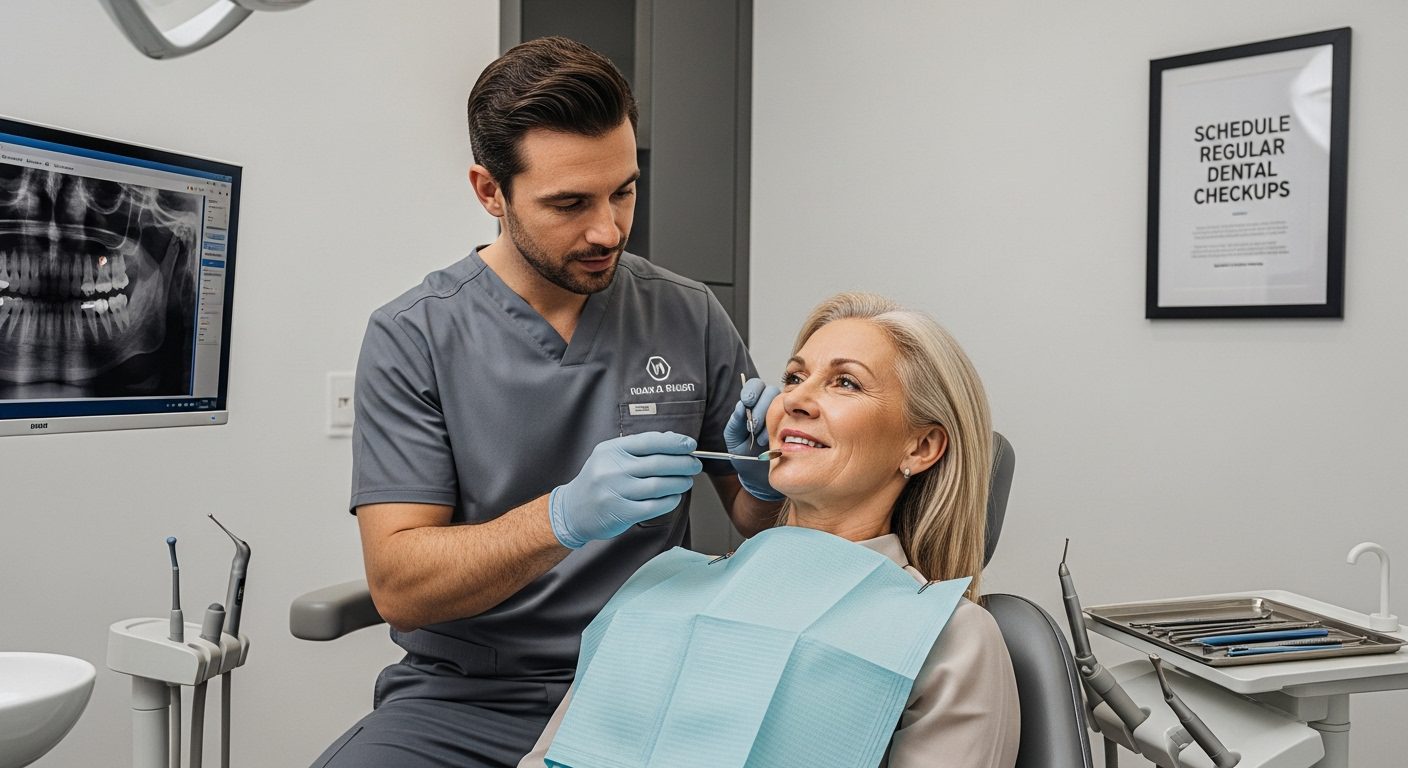
What To Expect Before, During, and After your Full Mouth Dental Reconstruction
March 3, 2025


Guide to Full Mouth Dental Reconstruction: What to Expect
What is a full mouth reconstruction?
A full mouth reconstruction is a comprehensive dental treatment designed to restore the function, structure, and appearance of the teeth and mouth. This process involves various procedures such as dental implants, crowns, veneers, and corrective jaw surgery to address severe dental issues.
Patients who require full mouth restoration typically have extensive tooth damage, missing teeth, or severe bite alignment issues. Unlike cosmetic dentistry, which focuses primarily on aesthetics, mouth reconstruction is a blend of both restorative and functional dentistry, ensuring long-term oral health and comfort.
By undergoing this process, patients regain not only a confident smile but also the ability to chew, speak, and maintain proper jaw function without discomfort.
Preparing for Your Full Mouth Dental Reconstruction
Initial Consultation
The first step in a full mouth reconstruction is an initial consultation with a dentist or dental specialist. During this appointment, the dentist evaluates the patient’s dental issues, tooth structure, gum health, and jaw alignment to determine the best treatment approach.
This consultation includes:
- A discussion of the patient’s dental and medical history
- Digital imaging and X-rays to assess bone structure and teeth
- An overview of potential treatment plans and estimated timelines
Patients should use this opportunity to ask questions and understand the expected outcomes of mouth reconstruction.
Dental Examinations and Assessments
Once the consultation is complete, the next step is a thorough dental examination to determine which procedures will be necessary. This process may involve:
- Bite analysis to evaluate jaw function
- Tooth decay and enamel assessment to check for cavities or weakened teeth
- Gum tissue evaluation to detect signs of gum disease
- 3D scans to plan for implants or corrective jaw surgery
The information gathered during these assessments helps the dentist design a personalized treatment plan that meets both functional and aesthetic goals.
Treatment Planning
After the initial consultation and dental examinations, the dentist develops a detailed treatment plan tailored to the patient’s needs. This plan outlines the various procedures involved in the full mouth reconstruction, the estimated timeline, and the expected results.
Key elements of the treatment planning process include:
- Deciding on necessary dental procedures, such as dental implants, crowns, veneers, or inlays and onlays.
- Establishing a timeline for each stage of the mouth restoration to ensure proper healing and progression.
- Determining the type of materials for crowns and bridges, considering factors like durability and aesthetics.
- Evaluating sedation options for patient comfort during complex treatments.
A clear treatment plan ensures a smooth and well-organized reconstruction process, allowing patients to feel confident about their journey toward a restored smile.
Financial Considerations
A full mouth restoration is a significant investment in dental health, and understanding the financial aspects is an important step in preparation. During the consultation, the dentist or office staff provides information on:
- The overall cost of treatment, broken down by procedure.
- Available payment plans or financing options.
- Potential insurance coverage for certain aspects of the reconstruction.
Since mouth reconstruction involves multiple dental procedures, costs can vary depending on the extent of the treatment and the materials used. Discussing financial options in advance allows patients to plan accordingly and ensure they receive the necessary dental care without unexpected expenses.
What can I expect during my treatment?
A full mouth reconstruction involves multiple procedures performed over several weeks or months. The treatment process may include:
- Dental implants to replace missing teeth.
- Veneers and crowns to restore the appearance of decayed teeth.
- Root canal therapy to save damaged teeth.
- Corrective jaw surgery for bite alignment issues.
- Teeth whitening for a polished final result.
Since each patient’s case is unique, the dentist will guide them through every stage, ensuring comfort and understanding at each step.
During Your Full Mouth Dental Reconstruction
Procedure Overview
A full mouth reconstruction involves a combination of dental procedures tailored to restore the health and function of the mouth. Depending on the individual’s needs, the treatment process may include:
- Dental implants to replace missing teeth and restore bite function.
- Crowns and bridges to strengthen and improve the structure of damaged teeth.
- Veneers to enhance the appearance of natural teeth.
- Inlays and onlays to repair areas of moderate tooth damage.
- Root canal therapy to treat decayed teeth and prevent extractions.
The timeline varies based on the complexity of the reconstruction and the healing time required between each step. Some patients may complete their mouth restoration within a few months, while others require a year or more.
Sedation Options
To ensure patient comfort, different sedation options are available during full mouth restoration. The choice of sedation depends on the procedures being performed and the patient’s level of anxiety.
Common sedation methods include:
- Local anesthesia – Numbs the treatment area for minimal discomfort.
- Oral sedation – A mild sedative taken before the appointment to promote relaxation.
- IV sedation – Provides deeper relaxation for more complex dental procedures.
- General anesthesia – Used for extensive reconstruction or corrective jaw surgery.
Discussing sedation preferences with a dentist before the procedure ensures a comfortable experience throughout the treatment process.
Recovery Period
Recovery times vary based on the procedures involved in the mouth reconstruction. Some treatments, such as veneers or teeth whitening, require minimal downtime, while others, like dental implants or root canal therapy, may involve a longer healing process.
General recovery guidelines include:
- Following a soft-food diet for the first few days after invasive dental procedures.
- Managing discomfort with prescribed or over-the-counter pain relievers.
- Avoiding strenuous activities that could affect healing.
- Attending scheduled follow-up appointments to monitor progress.
Most patients can resume normal activities within a few days, though complete healing from surgical procedures may take several months.
Post-surgery Care Instructions
Proper care after each dental procedure is essential for a smooth recovery and successful full mouth restoration. Following the dentist’s instructions helps reduce discomfort, prevent infections, and promote healing.
Key post-surgery care tips include:
- Maintain oral hygiene – Brush gently around treated areas and rinse with a saltwater solution if recommended.
- Follow dietary guidelines – Stick to soft foods to avoid putting pressure on sensitive areas.
- Take prescribed medications – Use pain relievers or antibiotics as instructed to manage discomfort and prevent infections.
- Avoid smoking and alcohol – These can slow down the healing process and increase the risk of complications.
Adhering to these care instructions ensures a successful recovery and helps achieve the best results from mouth reconstruction.
What can I expect after my treatment?
Once the full mouth reconstruction is complete, patients can expect significant improvements in their smile, oral function, and dental health. However, continued care is necessary to maintain the results.
Common post-treatment expectations include:
- Adjustment period – It may take time to get used to the feel of new crowns, bridges, or dental implants.
- Sensitivity changes – Temporary tooth sensitivity is normal, especially after procedures like veneers or teeth whitening.
- Healing timeline – Soft tissues in the mouth continue healing for weeks or months, depending on the extent of the reconstruction.
Regular dental visits and proper oral hygiene maintenance ensure that the results last for years to come.
After Your Full Mouth Dental Reconstruction
Follow-up Appointments
Regular follow-up appointments are crucial for monitoring progress and addressing any concerns after the full mouth restoration. During these visits, the dentist will:
- Check the stability of dental implants, crowns, and bridges.
- Ensure that the bite alignment is comfortable and functional.
- Look for signs of complications, such as gum irritation or infection.
- Provide professional cleanings to maintain the appearance and longevity of restorations.
Attending scheduled appointments helps protect the investment made in dental health and ensures that the reconstruction remains in optimal condition.
Oral Hygiene Maintenance
Keeping up with proper oral hygiene is essential for maintaining the results of a full mouth reconstruction. Even with durable dental implants, crowns, or veneers, neglecting hygiene can lead to dental issues such as gum disease or decay in surrounding natural teeth.
Best practices for long-term oral hygiene:
- Brush twice a day with a non-abrasive toothpaste to protect natural tooth enamel and restorations.
- Floss daily to remove plaque and food particles around crowns, bridges, and dental implants.
- Use an antibacterial mouthwash to reduce bacteria buildup.
- Avoid hard or sticky foods that could damage veneers or dental crowns.
Maintaining these habits ensures that the results of the reconstruction last for many years.
Potential Complications
While most full mouth restorations are highly successful, some patients may experience minor complications during the healing process. Being aware of potential issues allows for quick intervention if needed.
Possible post-reconstruction complications include:
- Mild discomfort or swelling – Common after surgical procedures but manageable with prescribed pain relievers.
- Tooth sensitivity – May occur after treatments like veneers or dental crown placement.
- Loose restorations – In rare cases, crowns, bridges, or implants may need adjustments.
- Gum irritation – Can result from improper fit or oral hygiene neglect.
If any of these issues arise, contacting a dentist promptly can prevent further problems and ensure a smooth recovery.
Long-term Outlook and Results
A full mouth reconstruction is a life-changing procedure that restores not only dental function but also confidence in one’s smile. With proper oral hygiene, regular check-ups, and mindful habits, the results can last a lifetime.
Patients can expect:
- A fully restored smile that enhances appearance and confidence.
- Improved ability to eat, speak, and chew without discomfort.
- Long-lasting restorations with the right dental care.
- A healthier mouth with reduced risk of future dental problems.
For anyone considering full mouth reconstruction, taking the time to consult a dentist and understand the process can make all the difference in achieving a long-term, healthy, and radiant smile.
More Posts
.jpg)
Understanding All on 4 Cost Factors for Dental Implants
.jpg)
7 Key Advantages of Dental Implants for Your Smile