How Long Do Dental Implants Take to Heal
April 24, 2025

When it comes to protecting young teeth, preventive care plays a vital role. One of the most effective tools in pediatric dentistry today is the use of dental sealants. These thin coatings provide a protective barrier over the tooth surface, reducing the risk of decay—especially in children’s back teeth, where cavities are most likely to develop.
In this guide, we’ll explore the importance of dental sealants for children, how they work, when they should be applied, and how they support better long-term oral health.
Overview of Dental Sealants
Dental sealants are a proactive solution used to keep children’s teeth strong and cavity-free. While brushing and flossing remain essential, sealants offer added protection in areas that are harder to reach and clean—especially the deep grooves in molars.
Definition of Dental Sealants
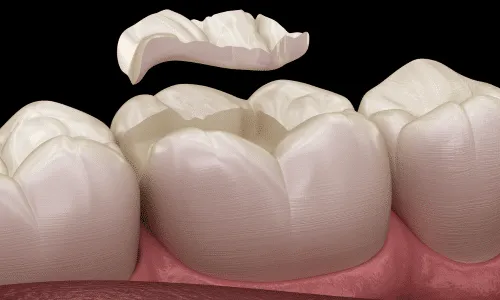
A dental sealant is a thin, plastic-like protective coating applied to the chewing surfaces of the back teeth, usually the molars. The sealant material bonds to the grooves and pits of the tooth, sealing out food particles and bacteria that can lead to tooth decay and dental caries.
Purpose of Dental Sealants
The main goal of dental sealants is to prevent cavities before they start. Even with daily brushing and flossing, it can be difficult for children to clean the tiny grooves in their back teeth. Sealants act as a barrier, keeping out food and plaque that can lead to tooth decay—especially in hard-to-reach areas.
Benefits of Dental Sealants
The benefits of sealants are both immediate and long-term:
- Reduces the risk of cavities in molars by up to 80%
- Minimizes the need for fillings and invasive treatments later
- Supports healthier, stronger teeth throughout childhood
- Recommended by the American Dental Association as part of routine dental care
For many families, sealants offer peace of mind and real health savings.
How Dental Sealants Work
Once applied, the sealant material quickly hardens and forms a smooth, protective surface over the tooth’s grooves. This prevents bacteria and debris from settling in and causing decay. The process is painless, non-invasive, and can be completed in a single appointment with your dentist or dental hygienist.
Importance of Dental Sealants for Children
Children are especially vulnerable to cavities, partly because their oral hygiene habits are still developing and their tooth enamel is thinner than that of adults. This makes early dental care—including the use of sealants—essential for long-term oral health.
By protecting the most cavity-prone areas of the mouth, sealants give kids a stronger foundation for healthy, lasting smiles.
Preventing Tooth Decay
Dental sealants significantly reduce the risk of cavities, especially in the first molars and second molars, which tend to trap food and bacteria. Studies show that children with sealants have far fewer cavities than those without—making this one of the most effective tools in modern pediatric dentistry.
Protecting Vulnerable Areas
The deep grooves and pits in children’s back teeth are ideal hiding spots for plaque, even with regular brushing. Sealants smooth out these areas, making them easier to keep clean and far less likely to develop decay. This added protection helps maintain strong, healthy teeth through childhood and beyond.
Enhancing Oral Health Habits
While sealants offer a physical layer of protection, they also support better oral health habits. When children understand that they’ve taken steps to protect their teeth, they’re often more motivated to maintain daily brushing and flossing routines. Dental sealants work best when paired with good hygiene and regular dentist visits.
When to Consider Dental Sealants for Children
Timing is everything when it comes to sealant placement. The best results come when sealants are applied before decay has a chance to start—typically just after the eruption of the first molars and again when the second molars appear. Parents should work with their pediatric dentist to plan the best timeline for their child’s needs.
Age Recommendations
Most dentists recommend dental sealants for children between ages 6 and 14. This window captures the eruption of key molars, which are especially at risk for decay. Pediatric dentists may also suggest sealants for younger children with deep grooves or a higher risk of cavities.
Timing of First Sealants
The ideal time for applying the first dental sealants is right after the first molars erupt—usually around age 6. The second set of molars typically appears around age 12, offering another prime opportunity for sealant placement. Applying sealants during this window maximizes their preventive benefits before cavities have a chance to form.
Frequency of Sealant Application
While sealants are durable, they aren’t permanent. Most last several years but should be checked regularly during routine dental visits. Your dentist may recommend reapplying them if they show signs of wear or if your child is still at high risk of cavities. Maintaining this protection over time is key to keeping teeth strong and healthy.
Process of Applying Dental Sealants
The application of dental sealants is simple, painless, and quick—often completed in just one visit. It requires no drilling or anesthesia, making it one of the most child-friendly procedures in dentistry.
Preparation for Application
Before applying sealants, the dentist or dental hygienist will thoroughly clean the tooth surface to remove any food debris or plaque. The tooth is then dried and isolated to keep it moisture-free—this ensures the sealant material bonds properly and stays in place.
Application Procedure
Once prepped, a gentle etching solution is applied to the tooth to help the sealant adhere. The sealant material is then painted onto the chewing surface of the molars and hardened using a curing light. The entire procedure takes just a few minutes per tooth, and the child can resume normal activity immediately afterward.
Follow-up Care and Maintenance
After sealants are applied, your child should continue regular brushing and flossing, along with routine dental checkups. During these visits, the dentist will inspect the sealants to ensure they’re still intact and offering full protection. With proper care, dental sealants can last for years and provide lasting defense against cavities.
More Posts
.jpg)
Understanding All on 4 Cost Factors for Dental Implants
.jpg)
7 Key Advantages of Dental Implants for Your Smile