Can You Get Dental Implants If You Have Gum Disease? Here’s What You Need to Know
March 1, 2025


Understanding Gum Disease and Dental Implants
Overview of Gum Disease
Gum disease is a common but serious condition that affects the health of the gums, bone, and supporting structures of the teeth. It develops in stages, starting with gingivitis, which causes redness, swelling, and bleeding. If left untreated, it can progress to periodontitis, a severe form of gum disease that leads to bone loss, gum recession, and even lost teeth.
Factors contributing to gum disease include poor oral hygiene, excessive plaque buildup, smoking, and certain medical conditions. Since healthy gums are essential for supporting dental implants, untreated gum disease can create challenges for patients considering this treatment.
Introduction to Dental Implants
Dental implants are a long-term solution for replacing missing teeth. They consist of a titanium post that is surgically placed in the jawbone, acting as an artificial tooth root. Once healed, a custom-made crown is attached to restore function and appearance.
Implants provide numerous benefits, including:
- Preserving bone and preventing further bone loss
- Restoring bite function and keeping remaining teeth in place
- Offering a natural-looking, permanent solution for smile restoration
However, successful implant procedures require healthy gums and sufficient bone density to support the implant posts securely.
Who is not suitable for dental implants?
Not every patient is an ideal candidate for dental implants. Individuals who may not qualify include those with:
- Uncontrolled periodontitis, as active infection can weaken the foundation needed for implants
- Severe bone loss, which reduces the ability of the jawbone to support an implant
- Poor oral hygiene habits, which increase the risk of implant failure
- Chronic health conditions like uncontrolled diabetes or autoimmune disorders that slow healing
A consultation with a dentist or periodontist is essential to assess eligibility and determine if treatment options are available to improve gum and bone health before moving forward with surgery.

Do your gums have to heal before implants?
Healing is a critical factor in the success of dental implants. If a patient has recently undergone treatment for gum disease, the gums need time to recover before proceeding with an implant procedure. In cases where periodontal disease has caused significant bone loss, additional steps like a bone graft may be required to rebuild the jawbone before placing the implant posts.
Healing times vary depending on the severity of the disease, the treatment options used, and the individual’s overall oral health. A dentist will monitor progress and determine when the gum tissue and bone are stable enough to support an implant.
Can you get dental implants with gum disease and bone loss?
Patients with gum disease and bone loss may still be eligible for dental implants, but additional procedures might be needed. Severe periodontitis can weaken the gum tissue and deteriorate the jawbone, making it difficult for the implant to integrate properly.
However, advancements in oral surgery have made it possible for patients with bone loss to receive implants through procedures like:
- Bone grafting, which restores lost bone to provide a stronger foundation.
- Guided tissue regeneration, a technique that encourages new bone growth.
- Sinus lifts, which increase bone density in the upper jawbone.
While these additional steps may extend the timeline for getting implants, they significantly improve implant survival rates for patients with gum disease.
Factors to Consider
Severity of Gum Disease
The stage of gum disease plays a major role in determining whether a patient can receive dental implants. Gingivitis, the earliest form of gum disease, is typically reversible with professional oral care and good dental hygiene habits. Periodontitis, however, requires more intensive treatments to restore gum health before an implant procedure can be performed.
A thorough examination of oral health will help determine the best course of action for patients with gum disease considering dental implants.
Health of Surrounding Teeth
The condition of neighboring teeth is a crucial factor when considering dental implants. If the surrounding teeth are affected by periodontal disease, the infection could spread to the implant site, increasing the risk of implant failure.
A dentist will assess the health of adjacent teeth and gum tissue to determine if any additional treatment options are necessary before proceeding with the implant procedure. In some cases, treating existing disease or removing compromised teeth may be required to create a stable foundation for implants.
Overall Oral Health
A patient’s overall oral health plays a significant role in the success of dental implants. Factors such as oral hygiene, history of gum disease, and commitment to proper aftercare can affect implant survival rates.
To improve gum health and maintain healthy gums, patients should:
- Follow a strict oral hygiene routine, including brushing and flossing.
- Schedule regular dental appointments for professional cleanings and check-ups.
- Avoid smoking, as it can slow healing and increase the risk of implant failure.
- Address any underlying health conditions that may impact healing, such as diabetes.
Good oral care is essential for preventing infection and ensuring long-term implant success.
Consultation with a Dental Professional
Importance of Consultation
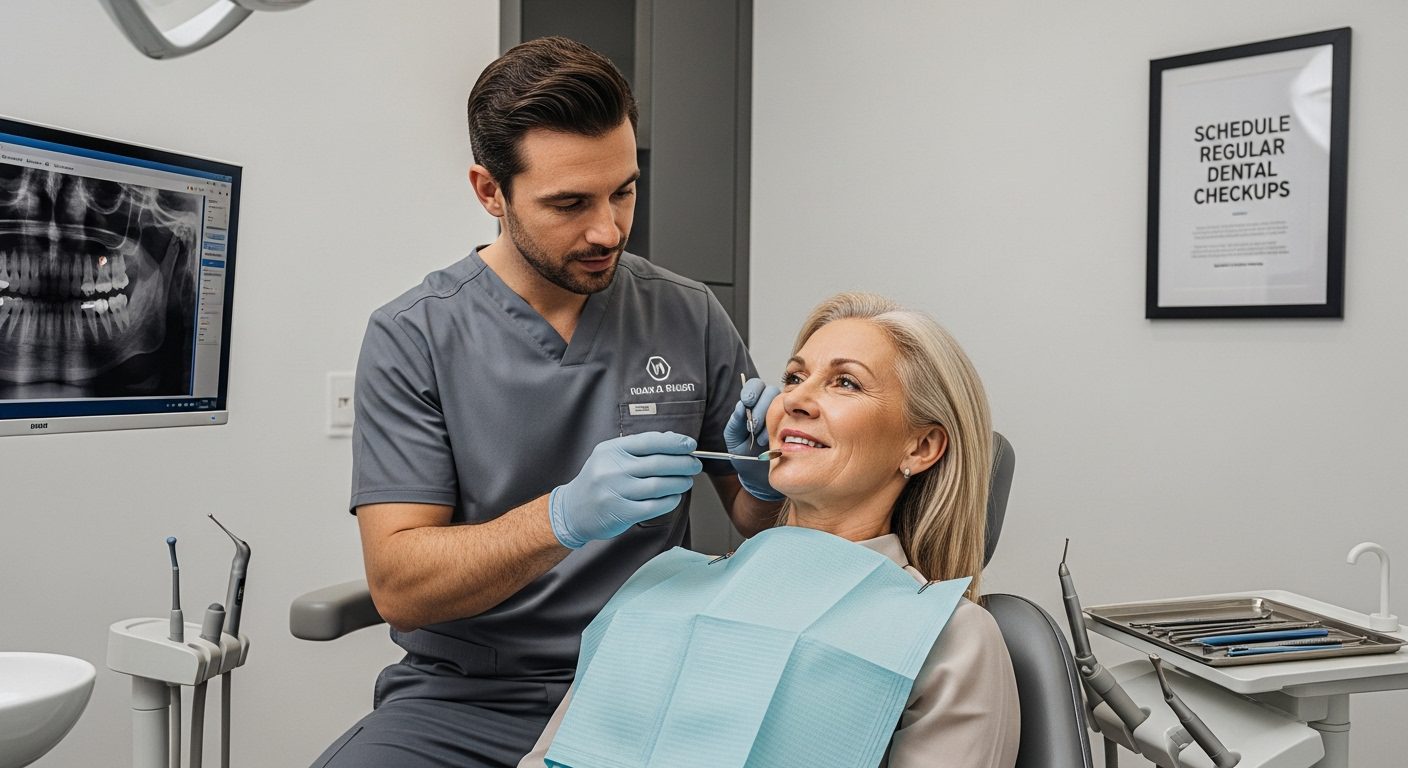
A thorough consultation with a dentist or periodontist is the first step toward determining if dental implants are a viable option. During the appointment, the dental team will:
- Assess the stages of gum disease and its impact on bone and gum tissue.
- Take X-rays or 3D scans to evaluate jawbone density.
- Discuss treatment options for improving gum health before implant surgery.
This initial evaluation helps ensure a safe and successful implant procedure.
Examination of Oral Health
Before moving forward with dental implants, a comprehensive examination of oral health is necessary. A dentist or periodontist will evaluate:
- The condition of the gums and whether periodontal disease is under control.
- The presence of bone loss and whether a bone graft is needed.
- The overall health of surrounding teeth to prevent complications.
- The patient’s medical history to ensure they are a good candidate for oral surgery.
A detailed review of these factors will help determine whether additional treatments are required before proceeding with an implant procedure.

Treatment Options
Periodontal Treatment
For patients with gum disease, treating the underlying condition is essential before considering dental implants. Periodontal treatment options may include:
- Scaling and root planing, a deep-cleaning technique to remove plaque and bacteria from below the gum line.
- Antibiotic therapy to reduce infection and inflammation.
- Surgical procedures such as gum grafts to restore lost gum tissue.
These treatments help stabilize the gums, creating a healthier environment for dental implants.
Scaling and Root Planing
One of the most common treatments for periodontitis is scaling and root planing. This deep-cleaning method removes hardened plaque and bacteria that contribute to gum disease.
- Scaling eliminates buildup from above and below the gumline, preventing further infection.
- Root planing smooths the roots of the teeth, making it harder for bacteria to attach and reducing inflammation.
This procedure is often the first step in improving gum health and preparing the mouth for dental implants.
Preparing for Dental Implant Surgery
Planning for Surgery
Once gum disease is under control, the next step is preparing for the dental implant procedure. This process involves:
- Conducting necessary X-rays or CT scans to evaluate bone density.
- Determining if a bone graft is needed to strengthen the jawbone.
- Reviewing the patient’s overall health and any medications that might impact healing.
- Discussing post-surgical oral care to ensure proper healing and implant success.
Careful planning reduces the risks associated with surgery and increases the likelihood of long-term implant survival.
Pre-Surgery Procedures
Before the surgical procedure, patients may need additional treatments to improve their oral environment. Common pre-surgical procedures include:
- Bone grafting for patients with significant bone loss.
- Gum tissue grafting to restore damaged gum tissue.
- Antibiotic therapy to prevent infection before and after oral surgery.
These steps ensure that the gums and bone are strong enough to support the dental implants effectively.
Dental Implant Procedure
Implant Placement
The implant placement process is performed by a dentist or oral surgeon and typically involves:
- Administering local anesthesia to numb the area.
- Making a small incision in the gum tissue to access the jawbone.
- Drilling a precise hole for the implant post and securing it in place.
- Closing the gum tissue over the implant to allow for healing.
This phase is crucial for successful osseointegration, where the bone fuses with the implant, creating a strong foundation for the final crown.
Healing Process
After the implant placement, the healing phase begins. This process, known as osseointegration, allows the bone to fuse with the implant, ensuring stability. Healing times vary but generally take three to six months.
During this period, patients should:
- Maintain good oral hygiene to prevent infection.
- Avoid smoking, as it can interfere with healing.
- Follow all post-operative care instructions provided by the dentist.
- Attend follow-up appointments to monitor healing progress.
Proper aftercare is essential for reducing the risk of implant failure and ensuring a successful outcome.
Maintenance and Care

Long-term success with dental implants depends on consistent oral care and gum health. Patients should:
- Brush and floss daily to keep the gums and surrounding teeth clean.
- Visit their dentist regularly for professional cleanings and check-ups.
- Monitor for any signs of infection, discomfort, or changes in the gumline.
With the right care, implants can last for decades, providing a durable and functional solution for lost teeth.
Conclusion
For individuals with gum disease, receiving dental implants is still possible with the right treatment options and proper preparation. Managing periodontal disease, strengthening the jawbone, and following a carefully planned implant procedure can increase the chances of success.
A consultation with a dentist or periodontist is the first step in determining whether implants are the right option. By prioritizing gum health, maintaining good oral hygiene, and addressing any underlying conditions, patients can achieve a healthier smile with the help of dental implants.
More Posts
.jpg)
Understanding All on 4 Cost Factors for Dental Implants
.jpg)
7 Key Advantages of Dental Implants for Your Smile