.svg)


September 10, 2025

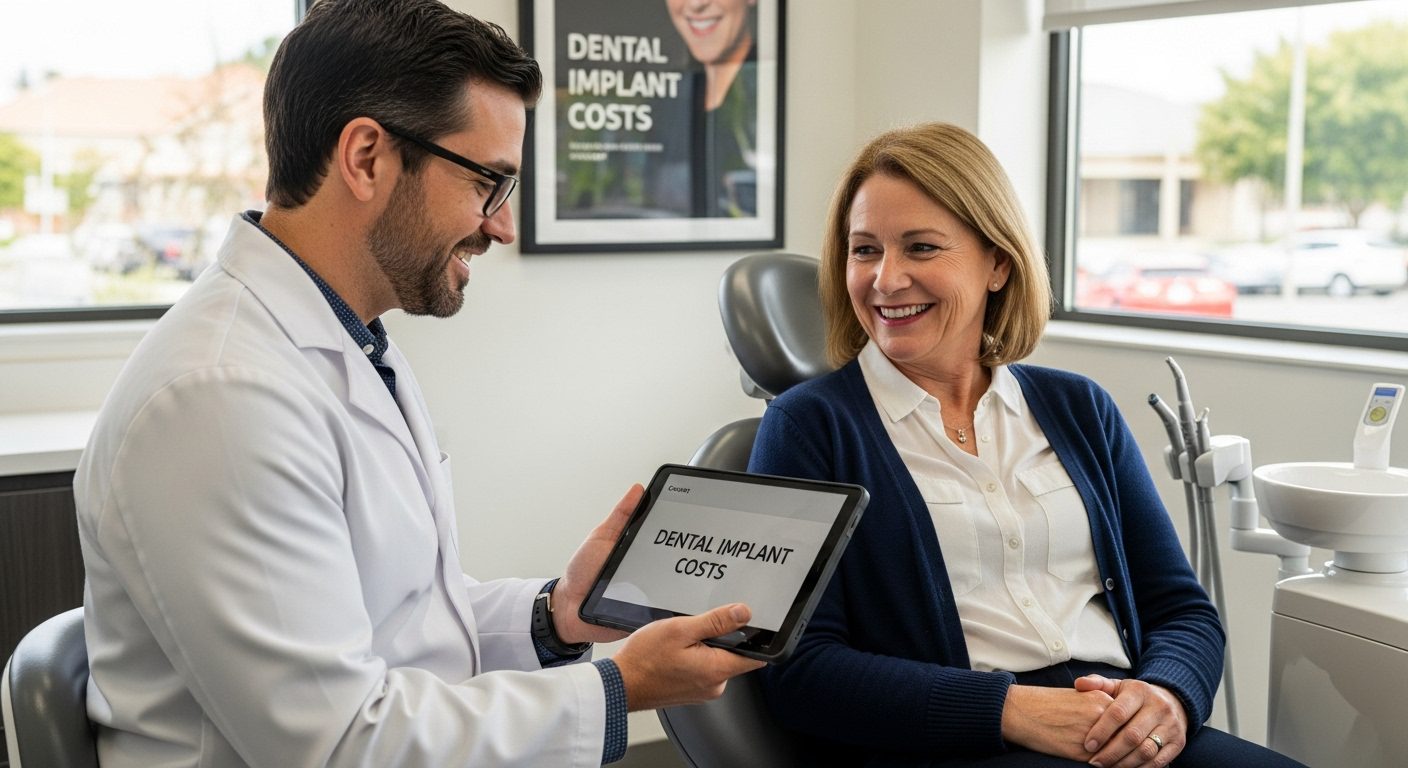
Dental implants promise a permanent fix for missing teeth that looks and feels like the real thing. People are often surprised to learn that these implants can actually last up to 30 years with proper care. Even more unexpected, the real value goes beyond durability. Dental implants actually help prevent bone loss and keep your facial structure intact.
Quick Summary
| Takeaway | Explanation |
|---|---|
| Dental implants mimic natural teeth | They consist of a titanium post, abutment, and dental crown for a realistic appearance and function. |
| Implants require careful financial planning | Factors like health conditions and location can influence costs, making personalized financial discussion essential. |
| Long-term investment in oral health | Dental implants offer durability and prevent bone loss, justifying the initial cost over time. |
| Understanding insurance is crucial | Coverage for dental implants varies; knowing your policy details can significantly impact overall expenses. |
| Evaluate multiple financing options | Patients can explore payment plans and alternative financing to make dental implant procedures more affordable. |
What are Dental Implants and How Do They Work?
Dental implants represent a groundbreaking solution for replacing missing teeth with a permanent and natural-looking alternative. These sophisticated medical devices serve as artificial tooth roots surgically placed into the jawbone, providing a stable foundation for replacement teeth that look, feel, and function like natural teeth.
The Fundamental Structure of Dental Implants
Dental implants consist of three primary components that work together to recreate a complete tooth structure:
- Titanium Post: A biocompatible screw-like component surgically inserted into the jawbone
- Abutment: A connector piece that links the titanium post to the artificial tooth
- Dental Crown: A custom-designed artificial tooth that matches your natural teeth’s appearance
According to Mayo Clinic, the titanium post serves a critical function by fusing directly with the bone through a process called osseointegration. This biological bonding creates an incredibly strong and stable foundation that mimics natural tooth roots.
The Biological Integration Process
What makes dental implants truly remarkable is their ability to integrate seamlessly with human biology. When the titanium post is surgically placed into the jawbone, the surrounding bone tissue gradually grows and attaches to the implant surface. This natural fusion process provides several significant advantages over traditional tooth replacement methods:
- Prevents bone loss by stimulating the jawbone
- Maintains facial structure and prevents premature aging
- Provides unparalleled stability for artificial teeth
- Restores full chewing function and bite strength
Patients choosing dental implants can expect a sophisticated solution that not only replaces missing teeth but also supports long-term oral health and facial aesthetics. The technology behind dental implants represents a significant advancement in restorative dentistry, offering patients a durable and natural-looking alternative to traditional bridges or dentures.
Here is a table summarizing the main components of dental implants and their respective functions, providing readers with a clear view of how each part contributes to the overall structure and success of the implant.
| Component | Description | Purpose |
|---|---|---|
| Titanium Post | Biocompatible screw inserted into the jawbone | Serves as an artificial tooth root |
| Abutment | Connector piece attached to the titanium post | Links the post to the dental crown |
| Dental Crown | Custom-designed artificial tooth | Matches appearance and function of real tooth |
| Osseointegration | Biological fusion of bone with implant | Provides stability and mimics natural roots |
Factors Influencing Dental Implant Costs
Dental implant costs are not a one-size-fits-all expense. Multiple complex factors contribute to the overall investment, making each patient’s experience unique. Understanding these variables helps patients make informed decisions about their dental restoration journey.
Individual Patient Characteristics
The specific characteristics of each patient play a significant role in determining dental implant costs. Physical health conditions, bone density, and oral health status can dramatically impact the complexity and therefore the price of the procedure. Dental implant financing options become crucial for patients navigating these personalized treatment requirements.
According to research published in the Journal of Contemporary Dental Practice, patient factors such as income level and clinic setting substantially influence the overall investment in dental implants. Key patient-specific factors include:
- Jaw Bone Quality: Requires potential bone grafting procedures
- Number of Implants Needed: Single tooth vs. full arch restoration
- Overall Health Conditions: Diabetes or smoking can complicate procedures
- Age and Healing Potential: Younger patients might have faster recovery
Procedural and Technical Considerations
The technical complexity of dental implant procedures directly impacts their cost. Specialized surgical techniques, advanced imaging technology, and the expertise of dental professionals contribute to the overall expense. Factors such as the type of implant material, the precision of digital imaging, and the complexity of the surgical approach all play crucial roles in determining the final cost.
Additionally, geographical location influences pricing. Dental practices in metropolitan areas like Denver typically have different cost structures compared to rural regions. The overhead expenses, specialized equipment, and advanced training of dental professionals in urban centers contribute to variations in pricing.
Patients should view dental implants as a long-term investment in their oral health. While the initial cost might seem substantial, the durability and functionality of dental implants often provide superior value compared to traditional tooth replacement methods. Comprehensive consultations and transparent pricing discussions help patients understand the specific factors influencing their unique dental implant journey.
Below is a comparison table outlining the differences between dental implants and traditional tooth replacement options as discussed in the article. This can help readers quickly assess the unique offering of dental implants.
| Feature / Benefit | Dental Implants | Traditional Bridges/Dentures |
|---|---|---|
| Longevity | 20-30 years or more with proper care | 5-10 years average lifespan |
| Bone Preservation | Prevents bone loss and maintains facial structure | Does not prevent jawbone deterioration |
| Stability & Function | Mimics natural teeth; restores chewing and bite | Less stable; may limit function |
| Maintenance Costs | Lower recurring costs over time | Can incur ongoing relining or repair expenses |
| Impact on Adjacent Teeth | No damage to neighboring teeth | May require alteration of adjacent teeth |
| Psychological/Quality of Life | Improves confidence and speech clarity | May impact speech and comfort |
Why Understanding Dental Implant Costs Matters
Comprehending dental implant costs goes far beyond simple financial calculations. It represents a critical step in making informed healthcare decisions that impact both oral health and overall quality of life. Patients who thoroughly understand the financial landscape of dental implants are better equipped to make strategic choices about their long-term dental restoration.
Long-Term Healthcare Investment
Dental implants are not merely an expense but a significant healthcare investment with substantial long-term implications. Dental implant financing in Denver Metro provides patients with flexible options to manage this important health decision. According to research published in PubMed, understanding the cost-effectiveness of dental implants involves evaluating their performance over extended periods.
Key considerations in viewing dental implants as a long-term investment include:
- Durability: Potential to last decades with proper maintenance
- Health Preservation: Prevents bone loss and maintains facial structure
- Functional Restoration: Restores full chewing capability and speech clarity
- Psychological Benefits: Improves confidence and quality of life
Financial Planning and Comprehensive Decision Making
A comprehensive understanding of dental implant costs enables patients to make nuanced healthcare decisions. Research indicates that only 30% of patients fully comprehend the procedural and financial aspects of dental implants. This knowledge gap can lead to delayed treatments, unnecessary complications, and potential missed opportunities for optimal oral health restoration.
Patients must consider multiple financial dimensions beyond the initial procedure cost. These include potential additional treatments, maintenance expenses, insurance coverage, and long-term health implications. Understanding these factors transforms dental implants from a perceived expensive procedure to a strategic health investment.
Ultimately, dental implant costs are not just about immediate financial outlay but about investing in personal health, functionality, and quality of life. Patients who approach this decision with comprehensive knowledge can make empowered choices that balance medical necessity, financial feasibility, and long-term wellness goals.
Evaluating the Value of Dental Implants
Dental implants represent more than a simple tooth replacement procedure. They are a comprehensive solution that offers significant long-term value across multiple dimensions of oral health and personal well-being. Understanding their true worth requires a holistic evaluation that extends beyond initial financial considerations.
Comparative Cost Analysis
When assessing dental implants, patients must look beyond the upfront investment and consider the broader economic landscape of tooth replacement options. Are implant dentures worth it? This critical question requires a nuanced examination of long-term benefits and potential cost savings.
According to research from the National Institutes of Health, dental implants may offer superior cost-effectiveness when evaluated over extended periods. Key comparative factors include:
.webp)
- Longevity: Potential to last 20-30 years with proper care
- Maintenance Costs: Lower recurring expenses compared to alternative treatments
- Preservation of Oral Health: Prevents bone loss and adjacent tooth damage
- Quality of Life Impact: Improved functionality and psychological well-being
Comprehensive Value Beyond Financial Metrics
The value of dental implants transcends pure monetary calculations. They represent an investment in personal health, functionality, and self-confidence. Unlike traditional tooth replacement methods, dental implants integrate directly with the jawbone, providing unparalleled stability and performance.
Patients should consider multiple value dimensions when evaluating dental implants:
- Physiological benefits of bone preservation
- Restoration of full chewing and speaking capabilities
- Prevention of facial structural changes associated with tooth loss
- Psychological improvements in self-esteem and social interactions
Ultimately, dental implants offer a sophisticated solution that addresses both immediate functional needs and long-term health considerations. By viewing them as a comprehensive health investment rather than a simple medical procedure, patients can make more informed decisions that prioritize their overall well-being and quality of life.

Navigating Financial Options for Dental Implants
Financial planning for dental implants requires strategic consideration and a comprehensive understanding of available payment methods. Patients have multiple avenues to manage the investment in their oral health, each with unique advantages and considerations that can make dental implant procedures more accessible.
Insurance and Coverage Strategies
Navigation of dental insurance landscapes can significantly impact the overall financial approach to implant procedures. Many patients do not realize that dental insurance coverage for implants varies widely between providers. Bridges vs implants represent different financial considerations that patients must carefully evaluate.
Key strategies for maximizing insurance benefits include:
- Comprehensive Policy Review: Understand exact implant coverage details
- Pre-Authorization: Obtain detailed treatment plan approval
- Flexible Spending Accounts: Utilize tax-advantaged healthcare funds
- Annual Maximum Benefit Planning: Strategically schedule treatments
Alternative Financing Approaches
Beyond traditional insurance, patients have numerous financing options to make dental implants more affordable. Many dental practices offer specialized payment plans designed to distribute the financial burden over manageable periods. These solutions help patients access necessary dental care without requiring immediate full payment.
Financing options typically include:
- In-House Payment Plans: Customized monthly payment structures
- Third-Party Medical Credit Companies: Specialized healthcare financing
- Personal Medical Loans: Fixed-rate borrowing for medical procedures
- Healthcare Credit Cards: Dedicated medical expense financing
Patients should approach these options with careful consideration, comparing interest rates, repayment terms, and potential long-term financial implications. A thoughtful, strategic approach to financing can transform dental implants from a perceived financial burden into a manageable investment in personal health and quality of life.
Discover Affordable Dental Implant Solutions in Arvada
Are you feeling uncertain about the true cost of dental implants or worried about unexpected expenses? Clarity is essential when making a decision that impacts your health and your peace of mind. Choosing dental implants is not only about replacing missing teeth, it is about investing in long-term stability, confidence, and quality of life. As you learned in our article, understanding the cost factors and exploring helpful financing options can make all the difference in your dental journey.
.jpg)
Take control of your oral health today by speaking with our friendly team at Arvada Dental Center. We offer personalized consultations, transparent pricing, and patient-focused solutions for single implants, full arch restorations, and more. Your next step toward a healthier, more confident smile starts now—visit our website to schedule your private consultation and get a clear path to affordable and lasting dental care.
Frequently Asked Questions
What factors influence the cost of dental implants?
The cost of dental implants is influenced by various factors including the individual patient’s health, jawbone quality, the number of implants needed, and the expertise of the dental professionals involved in the procedure.
Are dental implants worth the investment compared to other tooth replacement options?
Yes, dental implants are often considered a worthwhile investment due to their durability, functionality, and ability to preserve oral health over the long term, potentially outlasting traditional options like dentures or bridges.
How can patients finance their dental implant procedures?
Patients can finance dental implants through various methods such as dental insurance, flexible spending accounts, health care credit cards, in-house payment plans, or third-party medical credit companies.
What is the procedure for getting dental implants?
The dental implant procedure typically involves several steps: consultation and planning, surgical placement of the titanium post, osseointegration (bone fusing), abutment placement, and finally, attaching the custom-designed dental crown.